The Story
Why it exists.
The beginning
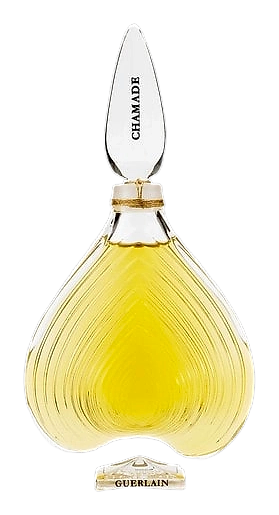
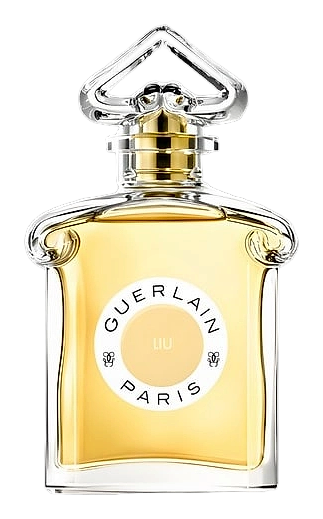
Jacques Guerlain created Liu in 1929, the same era that saw Chanel redefine what feminine fragrance could be. Where others followed, Guerlain answered with his own vision of the aldehydic floral: jasmine and rose given weight by iris and vanilla, held by a woody base that refuses to dissolve. It wasn't meant to rival anything. It was meant to stand alone. The name itself, Liu, speaks to the East-West exchange already reshaping Paris in that decade. Guerlain understood that modernity wasn't singular. There were many versions of it. This was his. Part of the Les Légendaires collection, Liu endures as proof that conviction in composition outlasts any trend.
What makes Liu structurally unusual is the way the aldehydes behave, they don't arrive cold and metallic. They warm almost immediately, creating a powdery, slightly fatty halo that makes the jasmine and rose feel less like flowers and more like skin. The rosemary in the heart is the surprise: a green, herbaceous anchor that keeps the florals from floating into abstraction. Without it, Liu might read as purely historical. With it, the composition breathes. The iris-vanilla base is where Guerlain's signature lives, that particular powder-violet warmth that has defined the house for two centuries. It's classical in structure, but the aldehydes keep it from feeling period.
The evolution
The aldehydes announce themselves first, not with the sharp, metallic crack of some compositions, but with a warmth that suggests something already worn. Bergamot and neroli offer a brief citrus brightness before the florals take over. Jasmine and rose arrive together, but they don't blend into abstraction. The jasmine has weight. The rose has presence. Rosemary keeps them honest. Then the base shifts in. Iris and vanilla become the story, a powdery violet warmth that coats rather than fades. The woody notes don't compete; they support. What surprises most: the aldehydes don't disappear in the drydown. They deepen, merging with the iris until the composition reads as one continuous, powdery warmth. On skin, expect the top to develop for the first hour, the heart to last three to four, and the base to hold through hour eight or ten. On fabric, it lingers into the next day, faint, but unmistakable.
Cultural impact
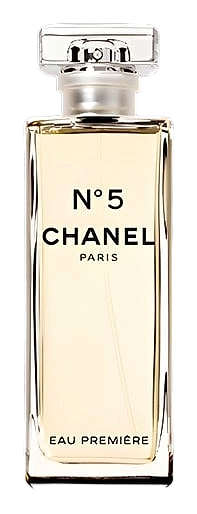
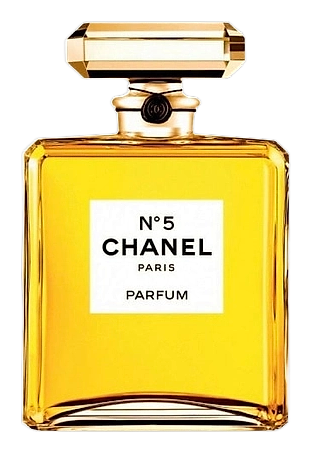
Liu emerged in an era when the aldehydic floral was being defined by Chanel, and it offered Guerlain's own answer to that moment. The aldehydic floral genre itself is relatively narrow, built on a handful of landmark compositions. Liu occupies a particular space within it: not the most famous, but perhaps the most worn by those who've moved past the obvious choices. Comparisons to Chanel No. 5 are inevitable, both are aldehydic florals from the same era, both have endured. But they occupy different emotional registers. No. 5 reads as ceremony. Liu reads as intimacy. Those who love one often find themselves drawn to the other, and together they've shaped how feminine fragrance thinks about itself.