The Story
Why it exists.
The beginning
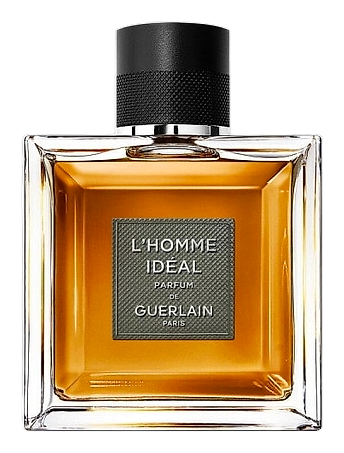
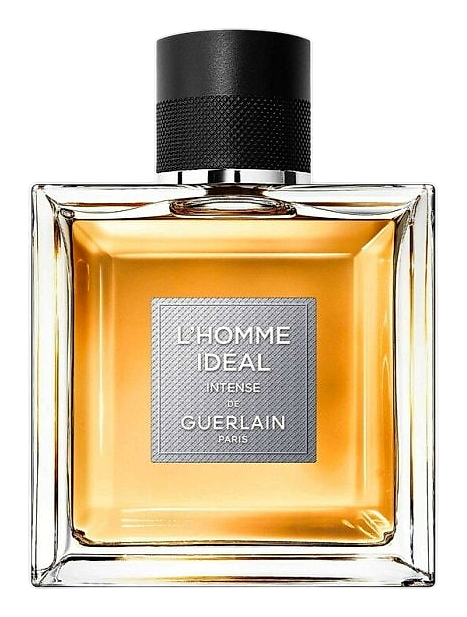
Thierry Wasser created L'Homme Idéal around the concept of almond. Not the almond extract found in the kitchen, but the bitter, aromatic variety that carries the scent of amaretto liqueur. Combined with tonka, it gives the fragrance its warmth without feeling heavy or cloying. Cedar and leather provide structure that keeps the composition grounded, preventing any sense of floating or drift. The result offers a masculinity in fragrance that blends contrasting elements rather than choosing between one direction or the other, creating something that feels both approachable and distinct.
The tonka and almond heart is what makes this composition unusual for a masculine fragrance. Together, they create a warm, slightly edible quality that reads as sweet without being cloying. What elevates L'Homme Idéal beyond the obvious is the Guerlain touch, a citrus opening that keeps the sweetness from overwhelming, a cedar drydown that grounds everything in something unmistakably masculine. This is sweet done the right way: with enough structure that it works for a full day, not just the first spray.
The evolution
The opening is bright. Orange blossom and rosemary arrive together, with the citrus fruits providing an initial clarity that gives way to the almond phase. The almond emerges sharp and sweet at the same time, like amaretto on the tongue. This phase develops as the heart matures, the tonka bean adding a resinous sweetness that deepens rather than lightens. Cedar tempers the sweetness with something drier, adding a woody counterpoint to the composition. The tonka-almond accord becomes a warm, comforting presence that dominates the mid-drydown. The base notes, leather and Indian vetiver, arrive late, replacing sweetness with something earthier. The final hours smell of dry wood and skin, a faint trace of sweetness underneath keeping it from being austere.
Cultural impact
L'Homme Idéal asks a question that men's fragrance has been asking for decades: what does masculinity smell like? The fragrance answered it differently, with warmth and sweetness that didn't apologize. This was a fragrance that worked for men who wanted something approachable without being boring, offering a different kind of presence in a landscape where traditional masculine scents often looked the same.
The House
GuerlainGuerlain stands as one of the oldest and most revered perfume houses in the world, founded in Paris in 1828 by Pierre-François-Pascal Guerlain. What began as a boutique on rue de Rivoli quickly became the preferred destination for Parisian society, attracting dandies and elegant women who sought custom-crafted fragrances. The house's influence grew to such heights that Guerlain earned the title of Official Perfumer to Napoleon III after presenting Eau de Cologne Impériale to Empress Eugénie as a wedding gift in 1853. This royal patronage marked the beginning of Guerlain's enduring association with European aristocracy, as the house went on to create fragrances for Queen Victoria and Queen Isabella II of Spain. Today, under the creative direction of Thierry Wasser, the fifth-generation perfumer, Guerlain continues to shape the landscape of fine fragrance with a portfolio spanning over 1,100 olfactory creations. The house remains headquartered at its legendary Champs-Élysées mansion, a historic monument that anchors Guerlain's position at the intersection of heritage and contemporary luxury.
The Creator
Thierry WasserWasser gravitates toward green, crispy notes and the bold florals Guerlain is known for. Bulgarian rose appears repeatedly in his work, and he travels annually to oversee the harvest in Kazanlak.