
The Story
Why it exists.
The beginning
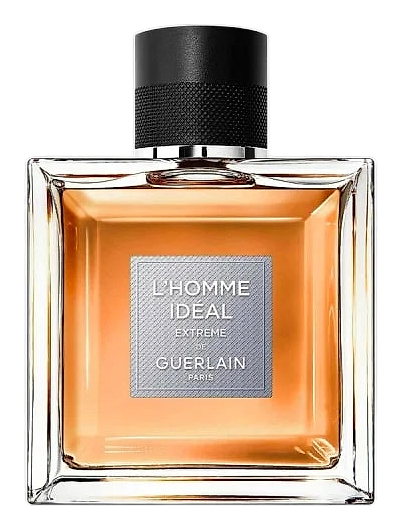
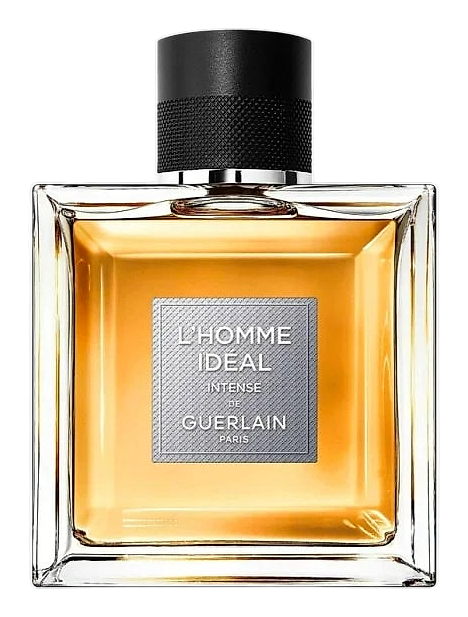
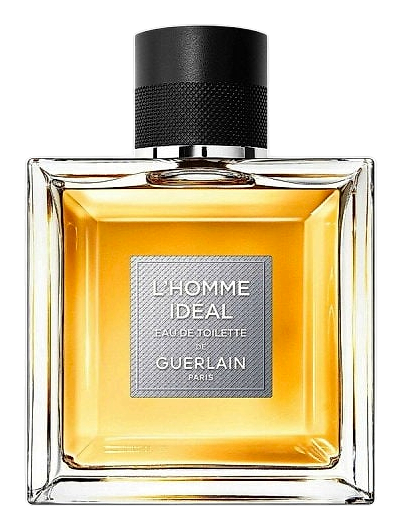
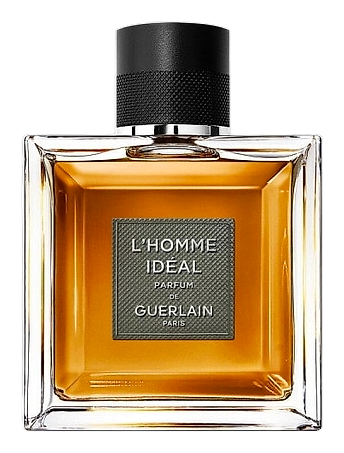
Guerlain approached the L'Homme Idéal line from a different angle in 2024. Perfumer Delphine Jelk was tasked with translating the sensuality of amaretto, that warm Italian almond liqueur, into a masculine fragrance. The house wanted to capture something rarely explored in men's perfumery: the bitter-sweet complexity of almond in its most refined form. Rather than building around traditional citrus or aromatic openings, the creative brief centered on immediacy and warmth.
The decision to structure this as a heart-forward fragrance speaks to Guerlain's confidence in the amaretto note. Amaretto requires support to work at full intensity; alone it can skew too sweet or one-dimensional. Leather provides that structural backbone, offering contrast while sharing a certain warmth. Patchouli adds the earthiness that prevents the composition from floating into something overly romantic, and musk ensures the overall effect remains skin-close and personal rather than projecting aggressively into a room. These are notes that belong tog ether, each serving the others.
The evolution
The scent opens at full intensity, with amaretto asserting its presence alongside supporting leather, musk, and patchouli. There is no gradual unfurling here; the fragrance arrives confident and fully realized. Over the first hour, the leather note becomes more pronounced, giving the composition a worn-leather jacket quality that feels Intimate rather than aggressive. Musk keeps everything close to the skin, while patchouli adds a grounding earthy quality that prevents the amaretto from becoming too sweet. By the second hour, the composition settles into a warm, skin-close drydown where all four notes coexist in equilibrium. The evolution is subtle: not a transformation but a gentle settling, like watching leather develop a patina over time.
Cultural impact
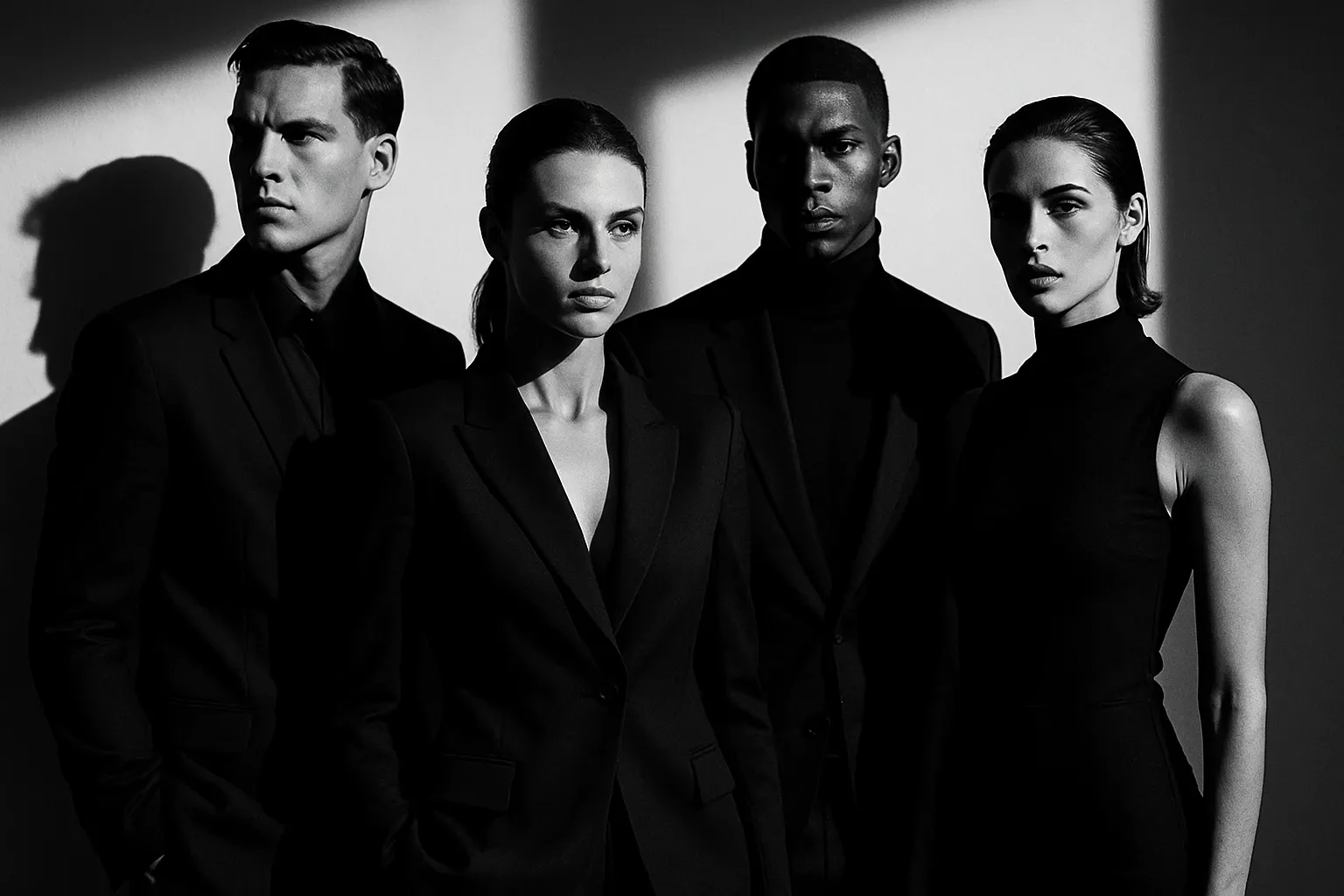
Since its 2024 launch, L'Homme Idéal Parfum has ignited conversation among male fragrance fans for daring to place almond, a note traditionally linked to feminine gourmand scents, at the forefront of a masculine composition. The blend of sweet amaretto with leather and earthy musk has positioned the scent as a modern reinterpretation of Guerlain’s classic refinement, appealing to those who appreciate a polished yet subtly provocative aura.
The House
GuerlainGuerlain stands as one of the oldest and most revered perfume houses in the world, founded in Paris in 1828 by Pierre-François-Pascal Guerlain. What began as a boutique on rue de Rivoli quickly became the preferred destination for Parisian society, attracting dandies and elegant women who sought custom-crafted fragrances. The house's influence grew to such heights that Guerlain earned the title of Official Perfumer to Napoleon III after presenting Eau de Cologne Impériale to Empress Eugénie as a wedding gift in 1853. This royal patronage marked the beginning of Guerlain's enduring association with European aristocracy, as the house went on to create fragrances for Queen Victoria and Queen Isabella II of Spain. Today, under the creative direction of Thierry Wasser, the fifth-generation perfumer, Guerlain continues to shape the landscape of fine fragrance with a portfolio spanning over 1,100 olfactory creations. The house remains headquartered at its legendary Champs-Élysées mansion, a historic monument that anchors Guerlain's position at the intersection of heritage and contemporary luxury.
The Creator
Delphine JelkJelk builds compositions around contrast and tension—warm, round, and inviting, yet never soft. Her signature leans heavily on iris, musks, and powdery facets that give her work a distinctive texture, like cashmere caught in amber.