The Story
Why it exists.
The beginning
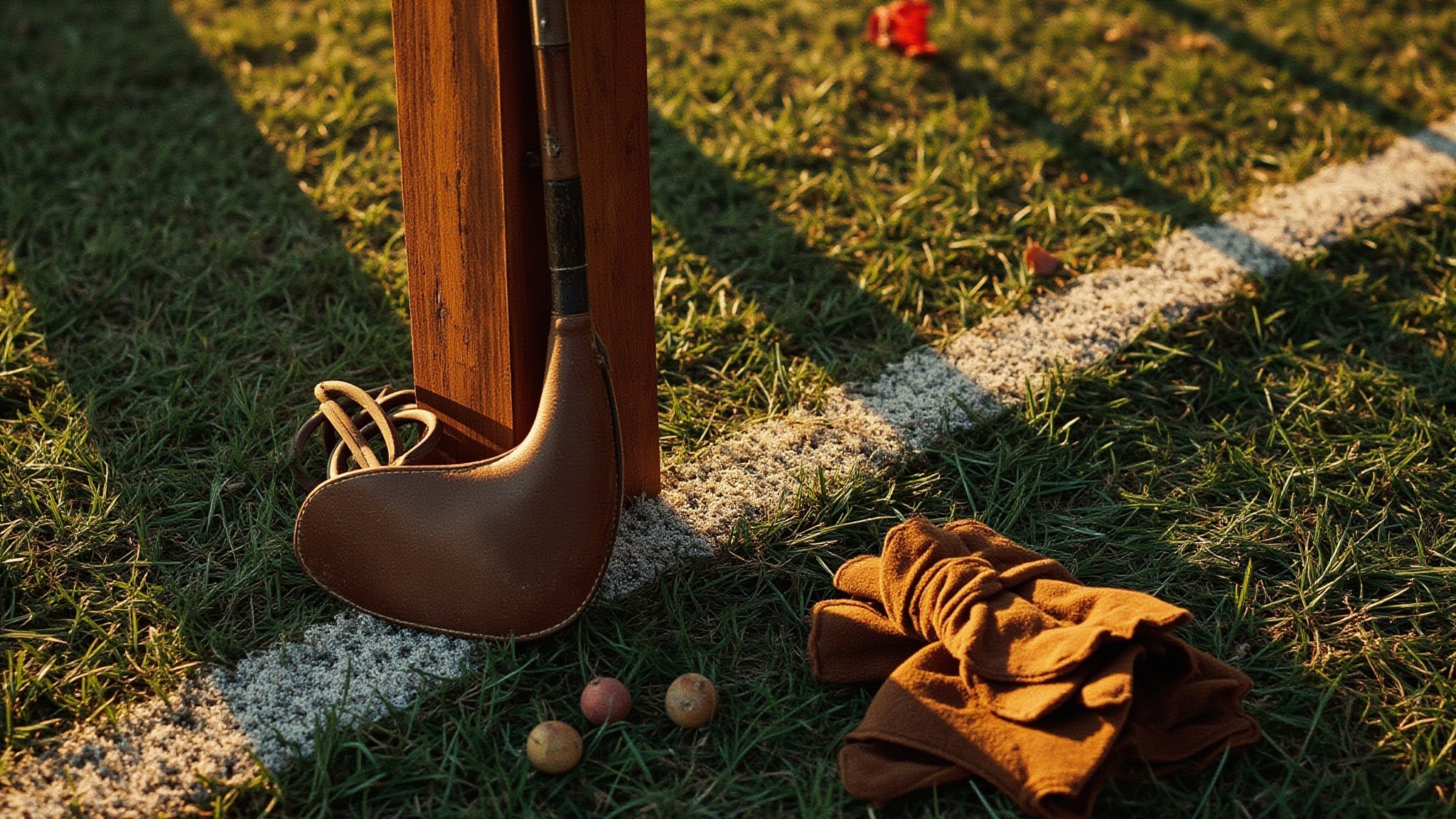
In 1978, Carlos Benaïm set out to bottle the spirit of a Saturday afternoon on the polo field. The name drew directly from the sport that defined Ralph Lauren's American-preppy image, the thundering hooves, the crisp uniforms, the cool breeze over manicured grass. Benaïm began layering aromatic herbs and citrus, anchoring them in the green, resinous character of juniper berries and pine tree needles. The result captured something essential about the Ralph Lauren world: an aspirational outdoor elegance that felt both rugged and refined, built to last well beyond seasonal trends.
The note selection reflects a philosophy of contrast: bright citrus and herbs against resinous woods, florals that never dominate, and a base that respects restraint. Each phase was designed to mirror the rhythm of an outdoor afternoon, from crisp opening to settled, earthy finish. The pairing of juniper with pine and leather feels intentional, as if Benaïm wanted the wearer to carry the scent of the field and stable rather than a laboratory. This is aromatic masculinity built on botanical honesty rather than synthetic impression.
The evolution
The opening moves through green herbs with a clarity that mirrors early autumn morning air, driven by juniper berries and basil softened by bergamot. As the composition breathes, the heart introduces pine tree needles, leather, and a subtle floral interplay of geranium and rose, grounded by chamomile's quiet herbal warmth. Black pepper and carnation add a dry spice that keeps the progression from becoming soft. The drydown abandons florals entirely for tobacco, oakmoss, and cedarwood, with patchouli and vetiver adding depth and a faint earthiness that evokes aged leather and wooden tack rooms. Musk and amber provide a faint skin-warmth that makes the base feel personal rather than generic.
Cultural impact
Polo quickly became a benchmark for green‑spicy masculinity, earning the Fragrance Foundation’s 1979 Men’s Prestige award and cementing its place as a staple in boardrooms and country clubs alike. Decades later it still signals an understated, all‑American confidence that many newer releases try to emulate.