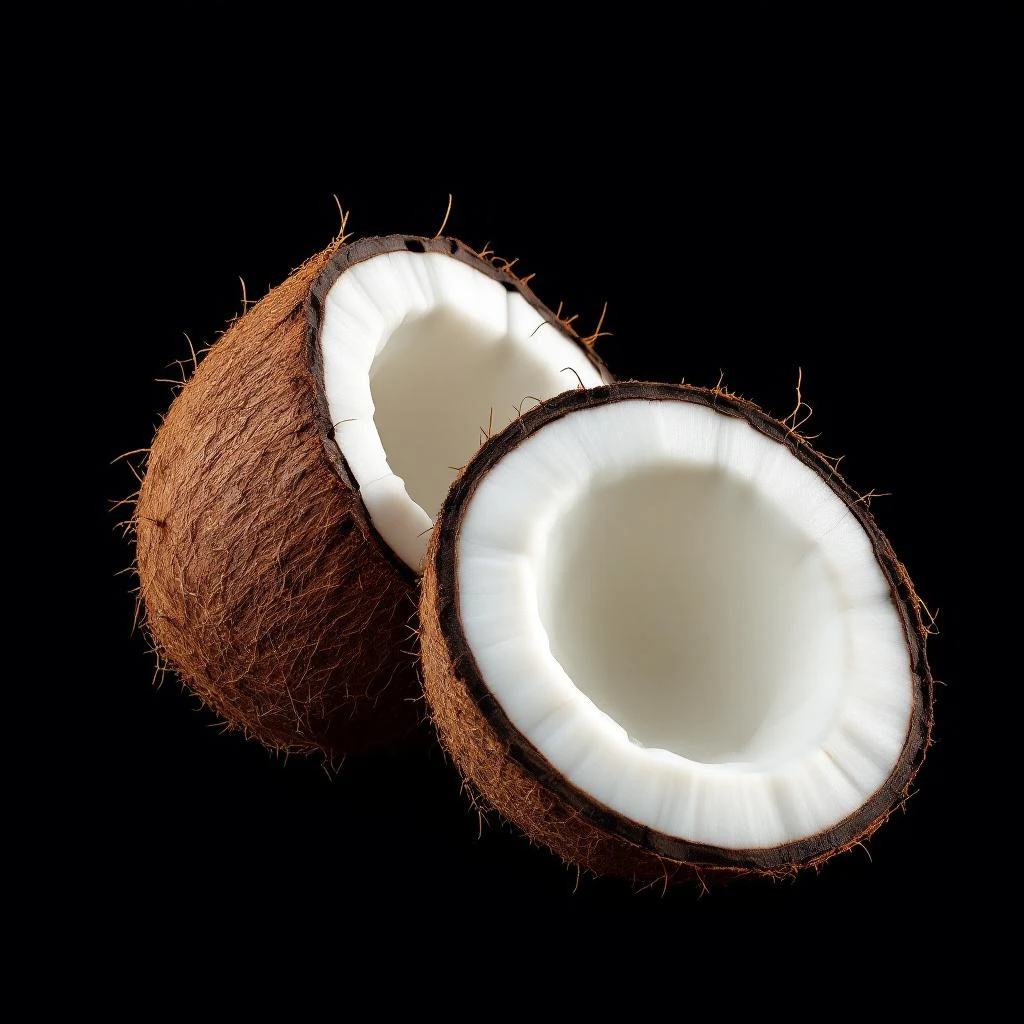
Fig milk
Fig milk is the creamy, opalescent sap that bleeds from cut fig trees. This lactonic ingredient carries coconut and almond warmth with green undertones, adding depth and body to modern fig fragrances.
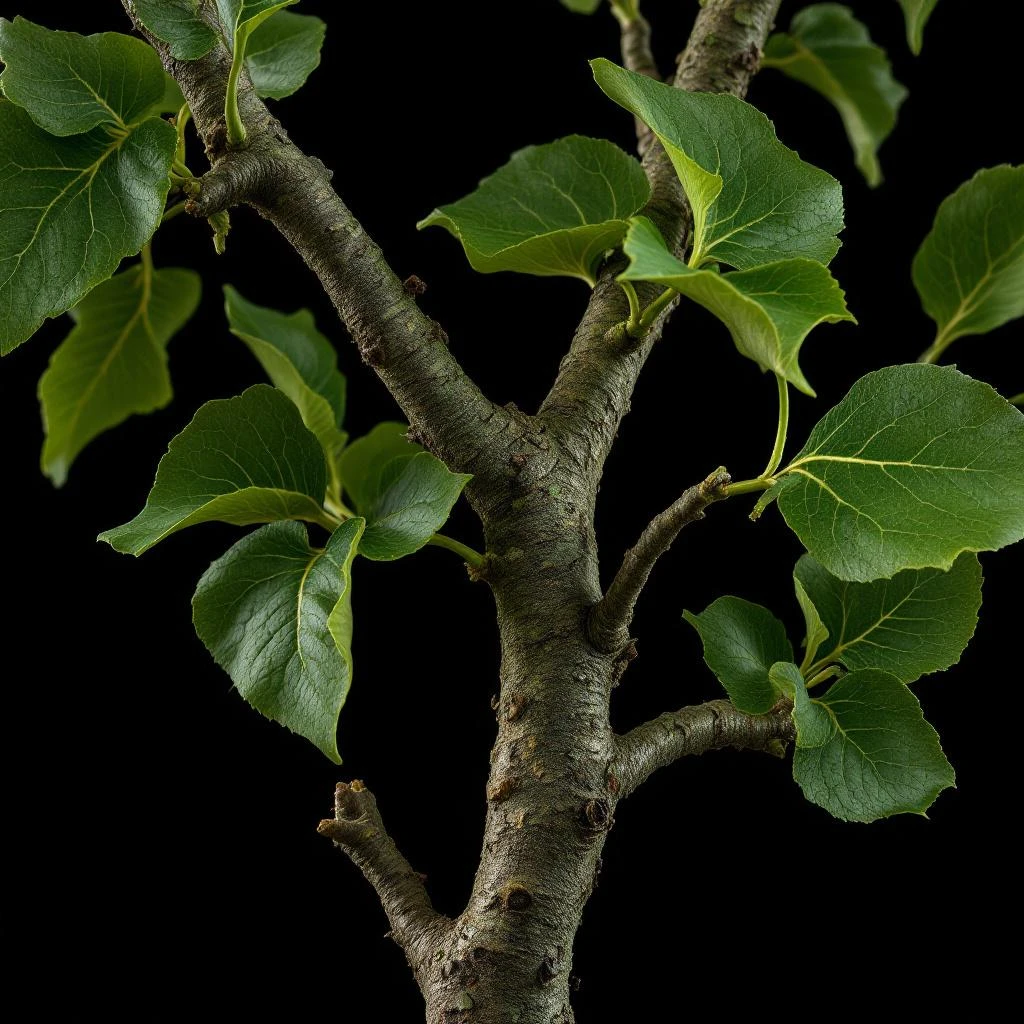
Character
How it smells
The creamy sap at the heart of the fig tree
Ancient Egyptians used fig milk as a natural adhesive in their ceremonial preparations, long before discovering its aromatic value.




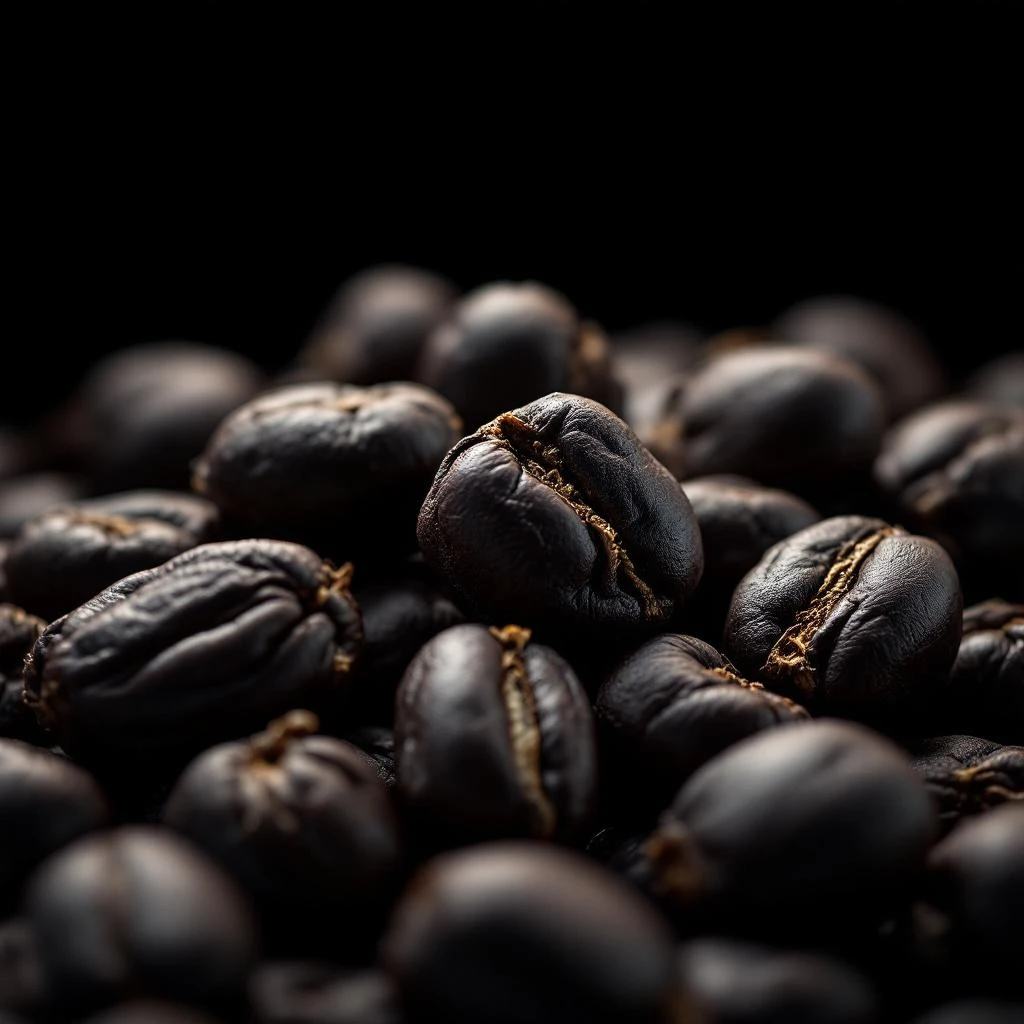
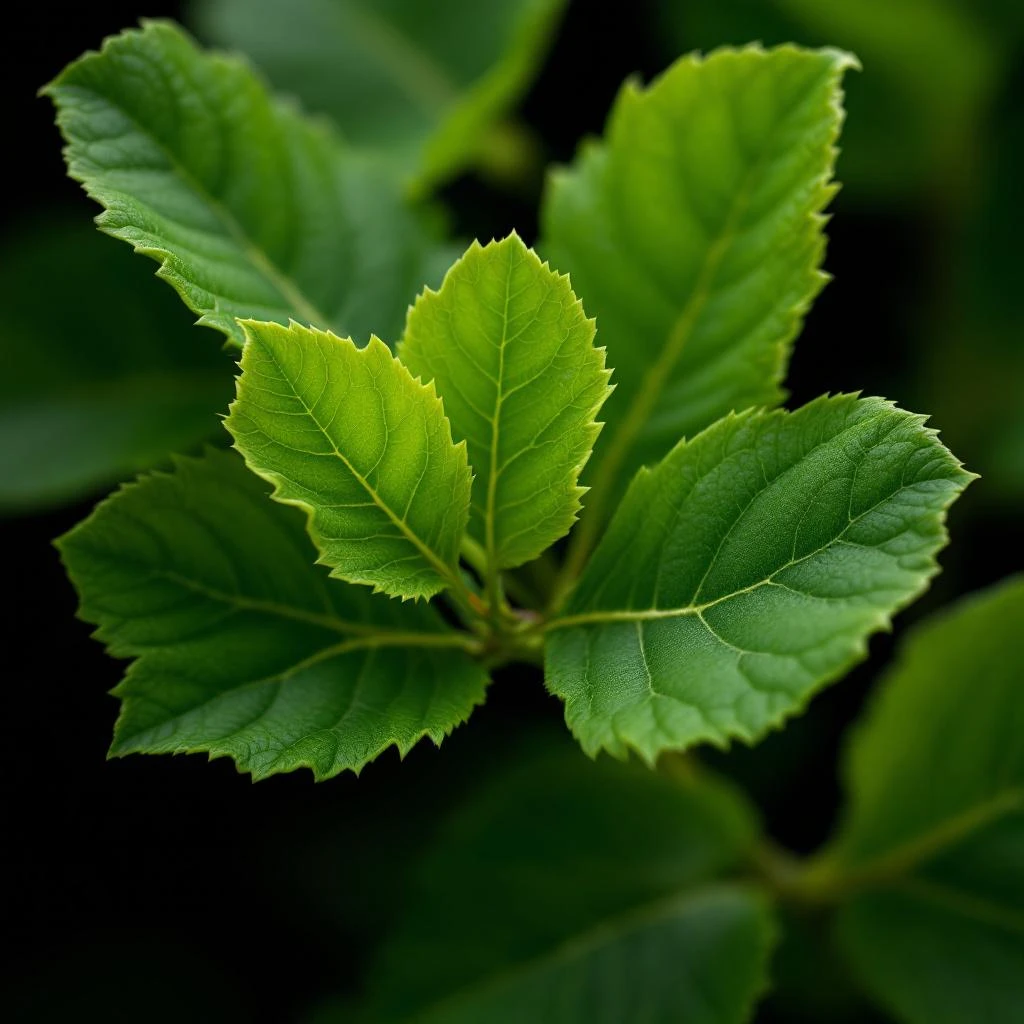



Origin
Mediterranean region
The first documented use of fig tree materials for fragrance dates to ancient Egypt, where perfumers combined roots, bark, and the distinctive milky sap in their preparations. This lactonic latex held cultural significance beyond aromatics, appearing in medicinal and ritual contexts throughout the Mediterranean.
The ingredient remained relatively obscure in modern perfumery until 1994, when Olivia Giacobetti created Premier Figuier and placed fig at the center of a fragrance for the first time. Her work revealed how fig milk could provide creamy depth that fruit and leaf notes alone could not achieve.
Contemporary perfumers now routinely specify fig milk to create that characteristic soft, comforting warmth found in modern fig compositions. The ingredient's journey from ancient adhesive to signature note reflects a broader industry shift toward exploring botanical lactonics.
Wears it best
Fragrances featuring Fig milk
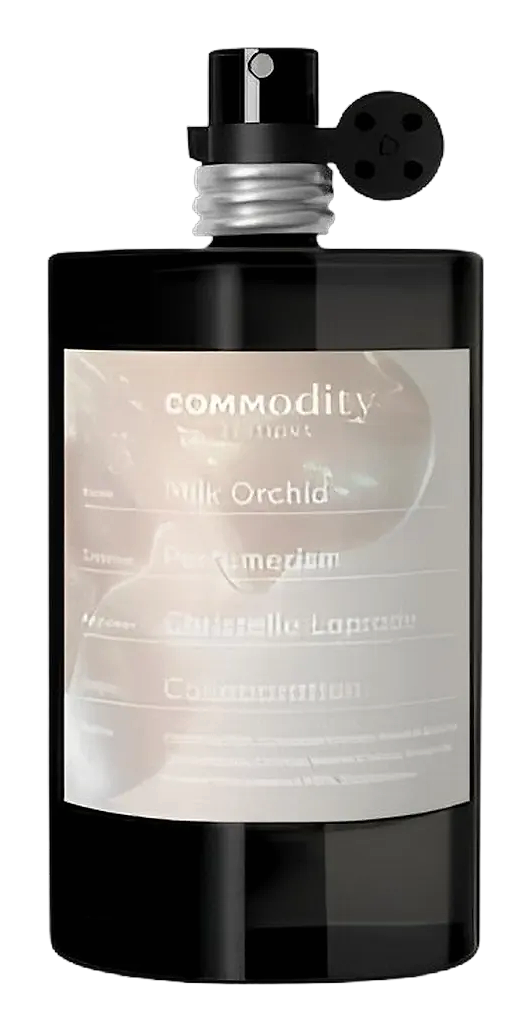
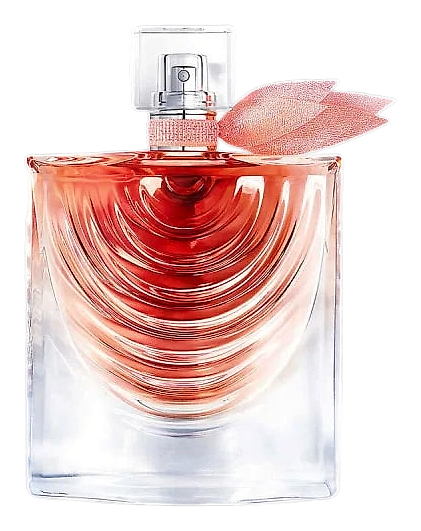
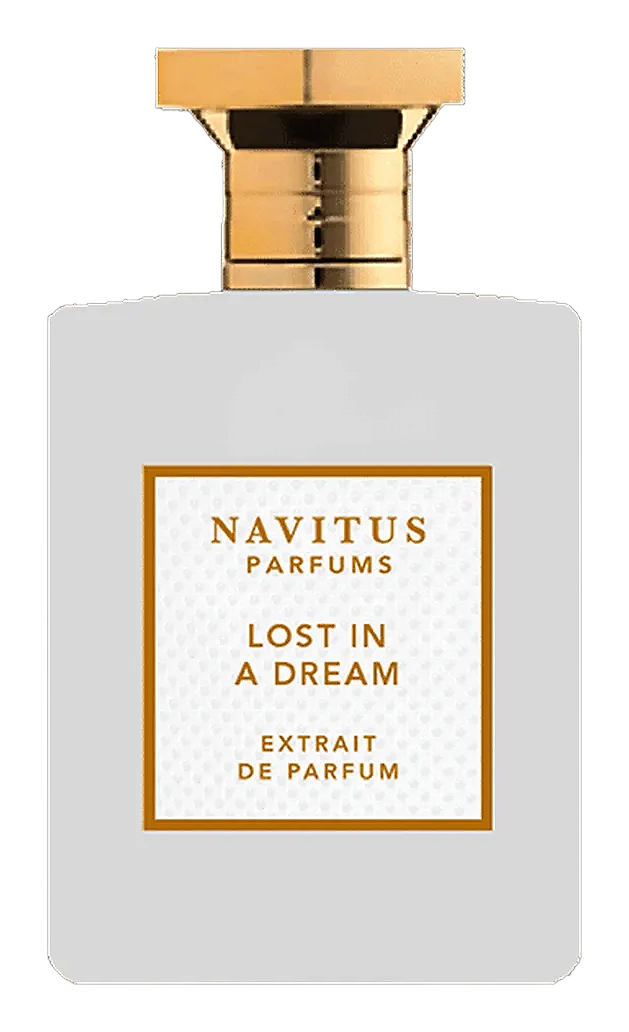
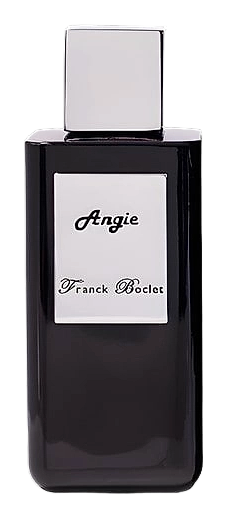
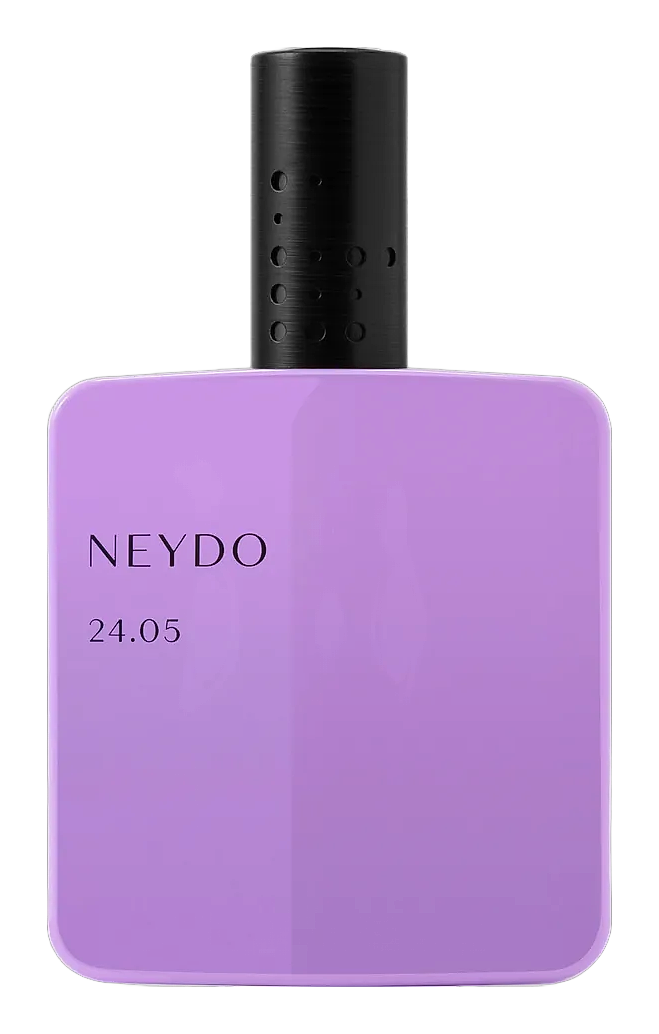

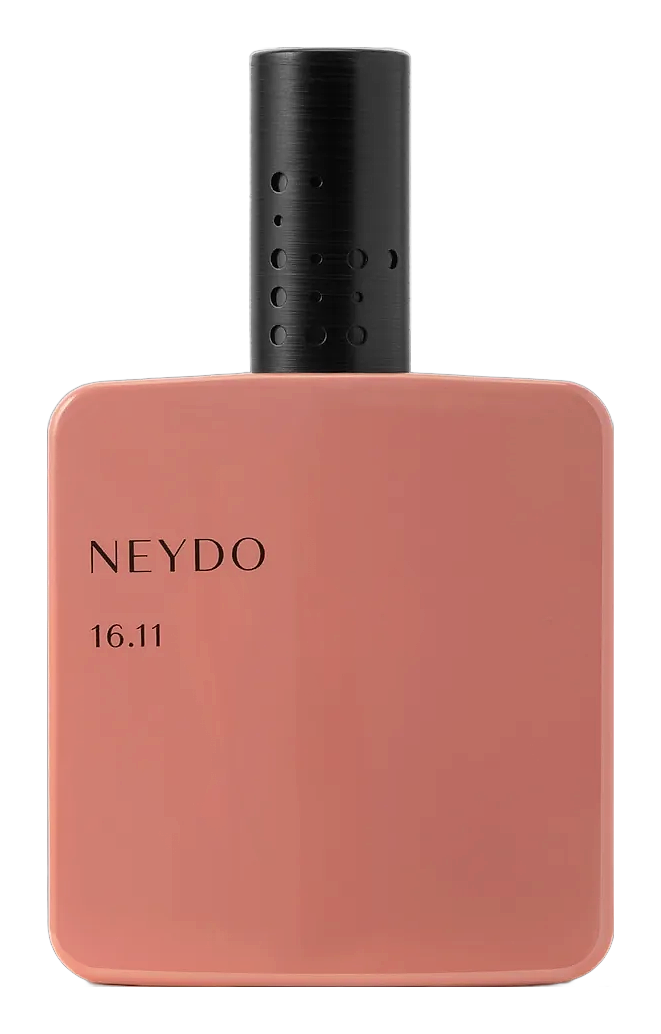
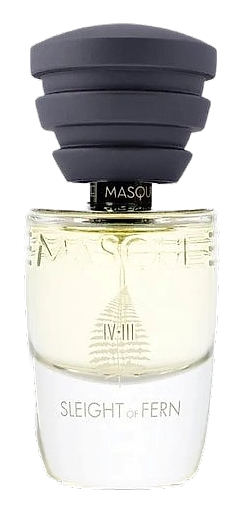
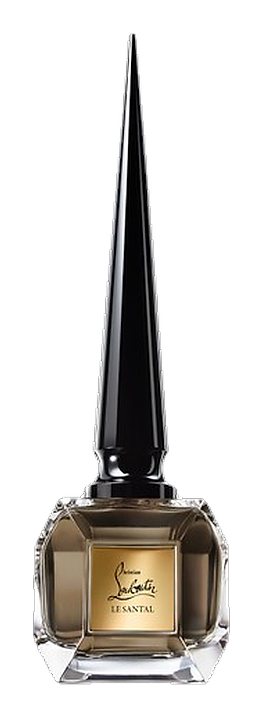
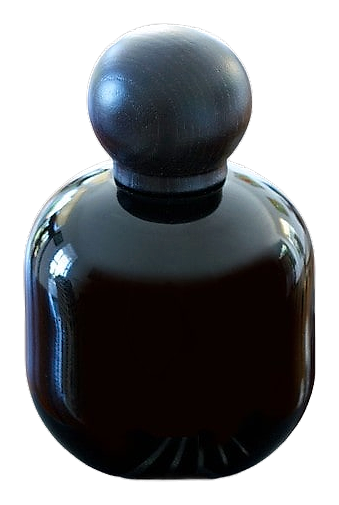
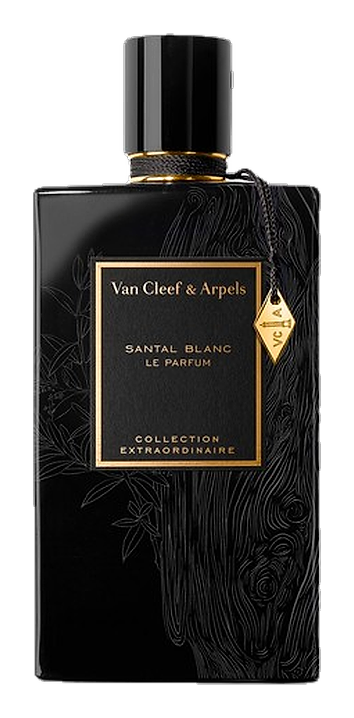

Brands
Brands known for Fig milk
Good to know
Questions, answered
The essentials on Fig milk in perfumery: how it smells, where it comes from, and how it behaves on skin.
What does fig milk smell like?
Fig milk delivers lactonic, creamy warmth with coconut and almond nuances. It carries subtle green undertones that prevent sweetness from becoming cloying, creating a soft, comforting character.
How do perfumers extract fig milk?
Perfumers collect milky latex by making shallow cuts in unripe fig fruits. The raw sap oxidizes quickly, so immediate cold extraction or solvent processing preserves its delicate lactonic compounds.
Is fig milk the same as fig fruit or fig leaf?
No. Fig milk is the latex sap, distinctly different from fruit (sweet, jammy) or leaf (green, herbaceous). It provides the creamy, lactonic body that distinguishes modern fig fragrances.
Why do some fragrances use synthetic fig milk?
Natural fig milk oxidizes rapidly and varies by season and harvest. Synthetic alternatives like gamma-decalactone provide consistent lactonic warmth without stability issues.
When did fig milk become prominent in perfumery?
Fig milk gained prominence after 1994 when Olivia Giacobetti created Premier Figuier, the first fragrance built entirely around fig, using milk for creamy depth.
What fragrances showcase fig milk?
Fig-forward fragrances like Philosykos, Premier Figuier, and Santal 33 use fig milk to achieve their characteristic creamy, lactonic warmth.
Does fig milk appear in natural perfumery?
Natural fig milk is rare due to extraction challenges. Most natural fig ingredients in perfumery come from leaves or fruits rather than the delicate latex sap.
What makes fig milk distinctive in fragrance?
Fig milk adds a soft, enveloping quality that creates comfort and roundness. Its lactonic profile bridges fresh and sweet, giving fragrances a distinctive creamy signature.