The Story
Why it exists.
The beginning
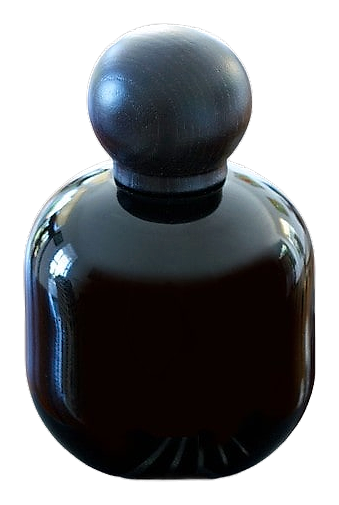
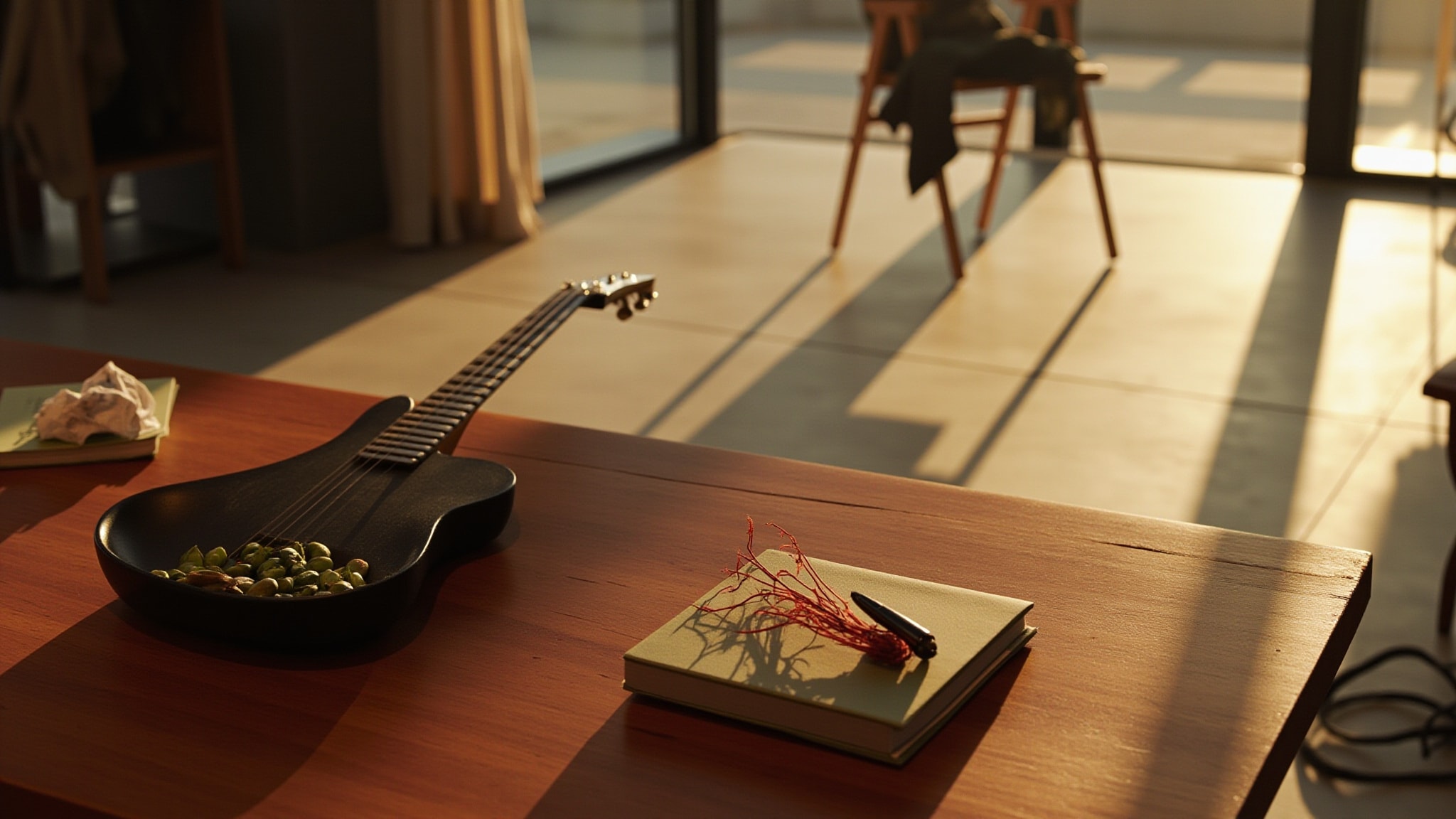
Bass Solo began with a question of translation. Wenge, a dense hardwood from central Africa, is prized for its visual beauty and structural integrity, it's the material of choice for bass guitars and high-end percussion. But unlike oud or sandalwood, wenge carries no strong aroma of its own. The wood inspired Duchaufour not through its scent, but through its character: hard, heavy, built for resonance. How do you make a fragrance that smells like the instrument, not just the tree? The answer was a composition pitched entirely in the low register, a structure of woods that together produce the depth and warmth of a bass note. Cedar provides the dry harmonics. Sandalwood adds roundness. Driftwood brings the mineral tang of salt and time. Together, they become something that hums rather than shouts.
The ingredient palette reads like a luthier's workshop: wenge wood at the conceptual center, surrounded by cedars that bring dry, pencil-shaving warmth, fig leaf that adds a faintly sweet creaminess, and birch tar for a smoky, resinous edge. The opening, cardamom, saffron, ginger, lime, doesn't announce itself so much as it cuts through. These are spices that lift rather than smother, clearing space for the woods to take over. What's unusual is how the composition refuses the usual build: it doesn't climb toward a floral heart or dissolve into sweetness. The bass note is already there.
The evolution
The opening announces itself with a brief sharpness, cardamom and ginger cutting through before the lime recedes and the cedar steps in. Within minutes, the top notes thin out like a speaker warming up, leaving the heart: dark, dry cedarwood and fig leaf, with birch tar hovering at the edges like a slow-burning ember. This is the densest phase, the part that justifies the name. Hours pass and the sillage doesn't expand, it deepens inward, settling against skin like a second layer. The base arrives quietly: driftwood and sandalwood blending into something that smells like warmth held close rather than projected outward. As the evening wears on, faint traces of opoponax and amber emerge, sweet and resinous, still clinging to fabric. The next morning brings a ghost of something warm and woody on the wrist. Not loud. Still there.
Cultural impact
Bass Solo chose wenge wood as a central note, dense, dark, and sonically resonant, anchoring the fragrance in a specific craft tradition. This material, more commonly associated with instrument-making and the tactile world of woodworking, brings an unusual depth to the composition. The 2016 release arrived at a time when independent perfumery was finding its voice, and the attention to specific materials like wenge reflected a desire among wearers to understand exactly what they were smelling and why.