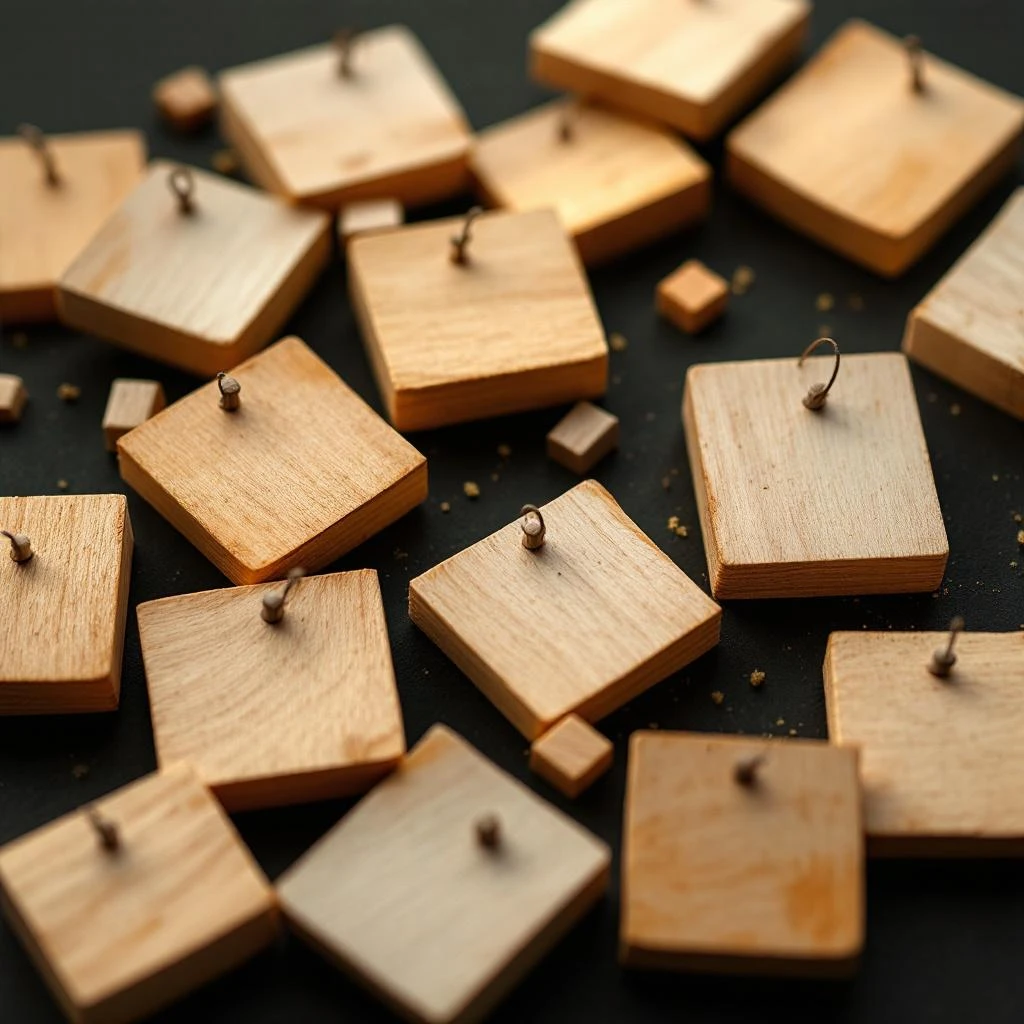
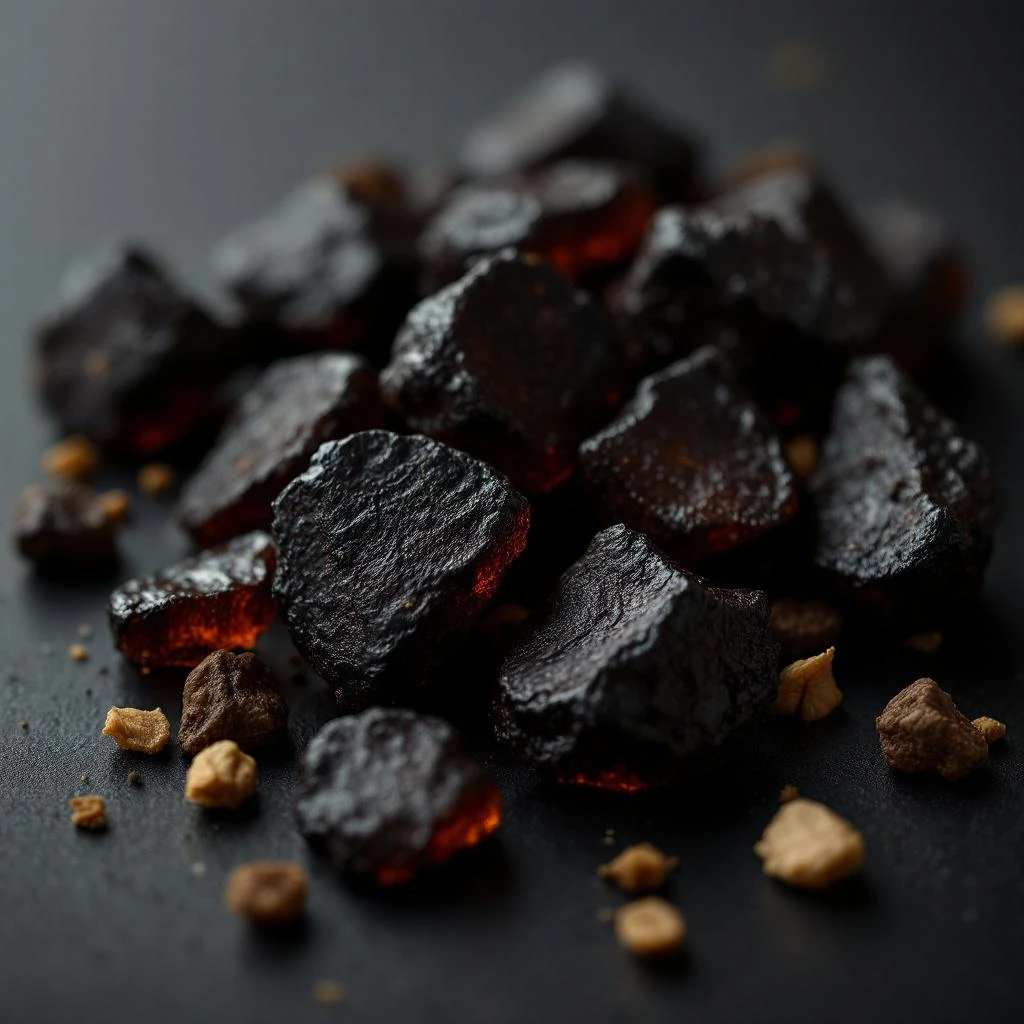
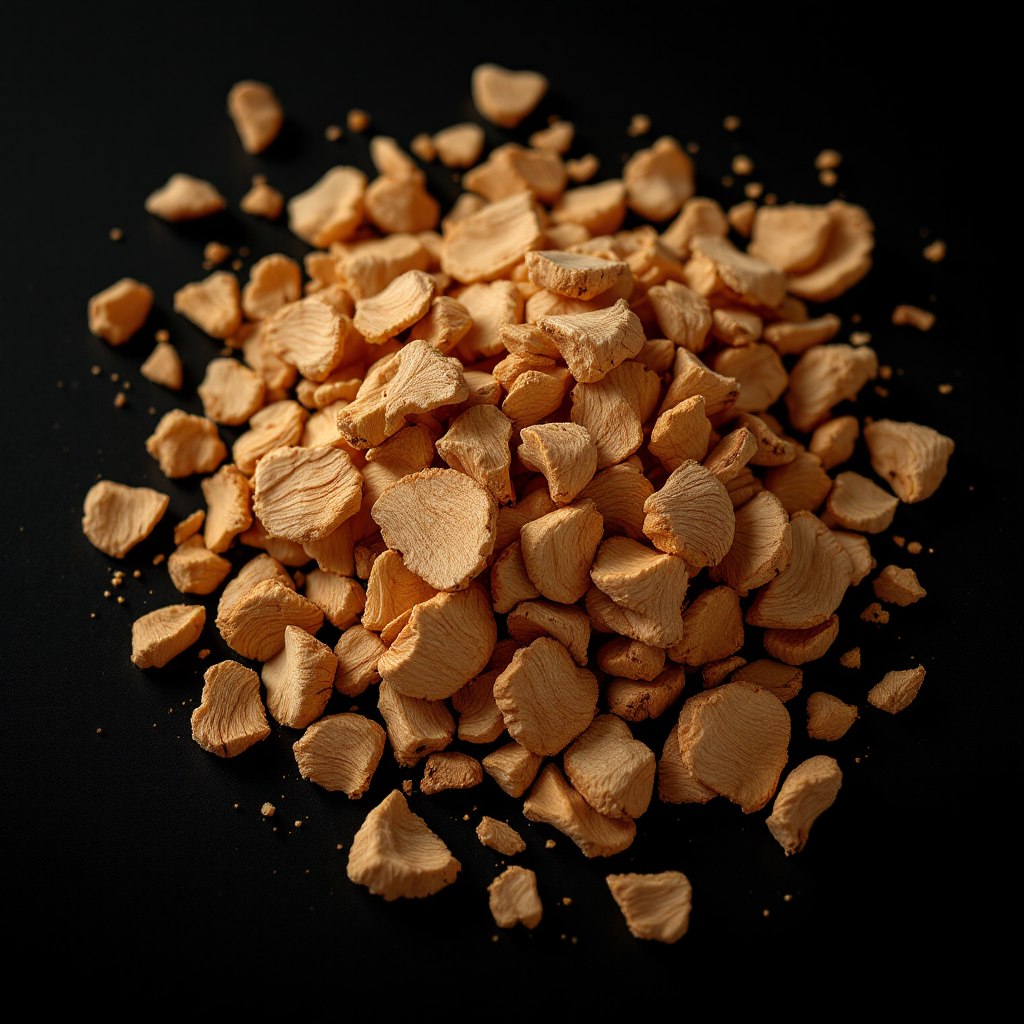
Wenge
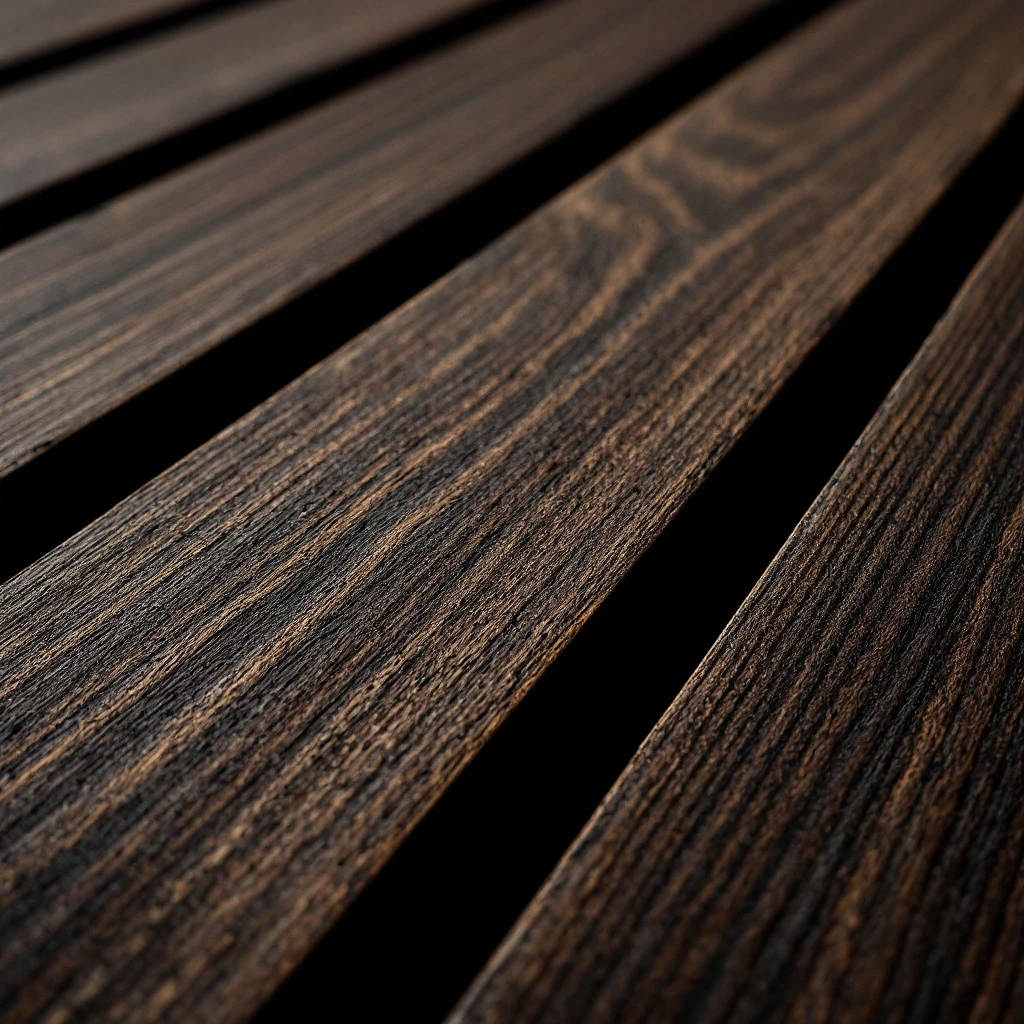
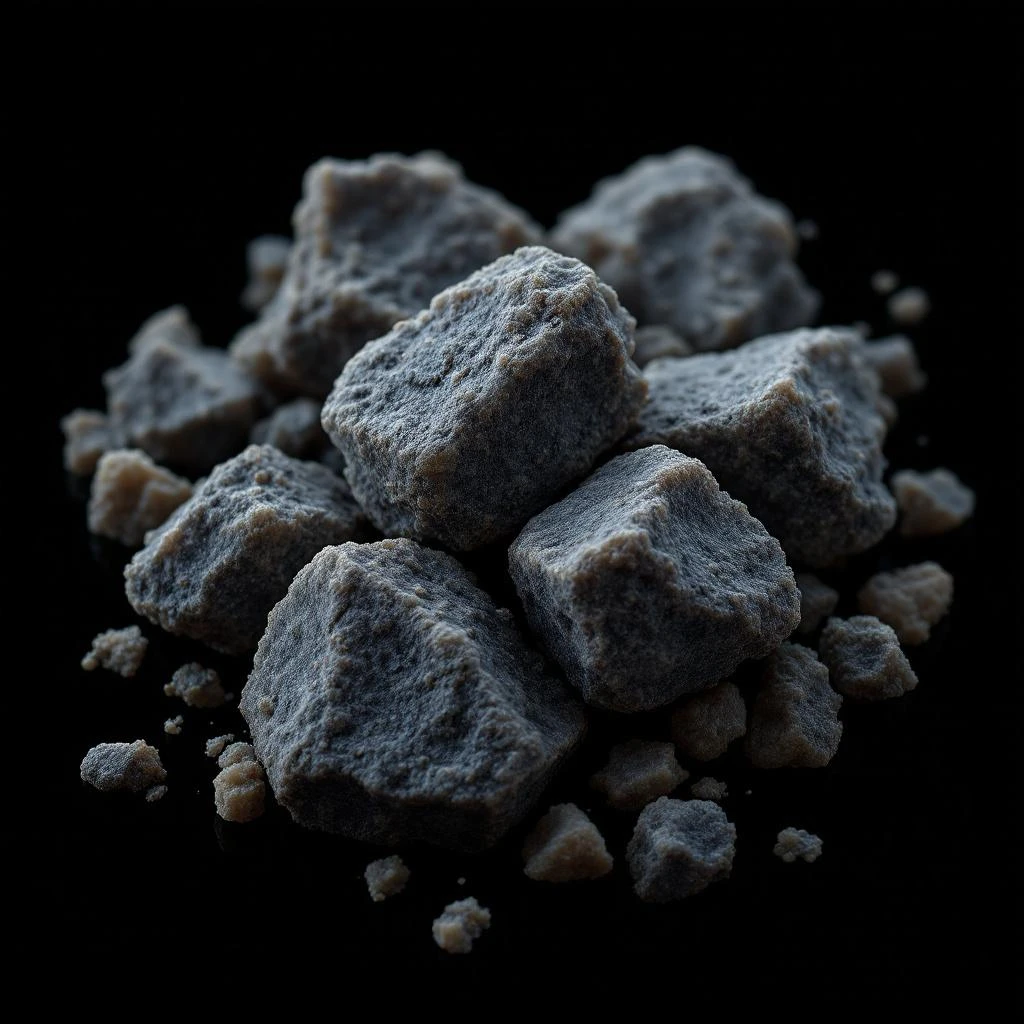
Wenge is a dark, dense tropical hardwood native to Central African rainforests. In perfumery, its absolute delivers a warm, slightly bitter, smoky depth that anchors woody base compositions with quiet intensity.
Character
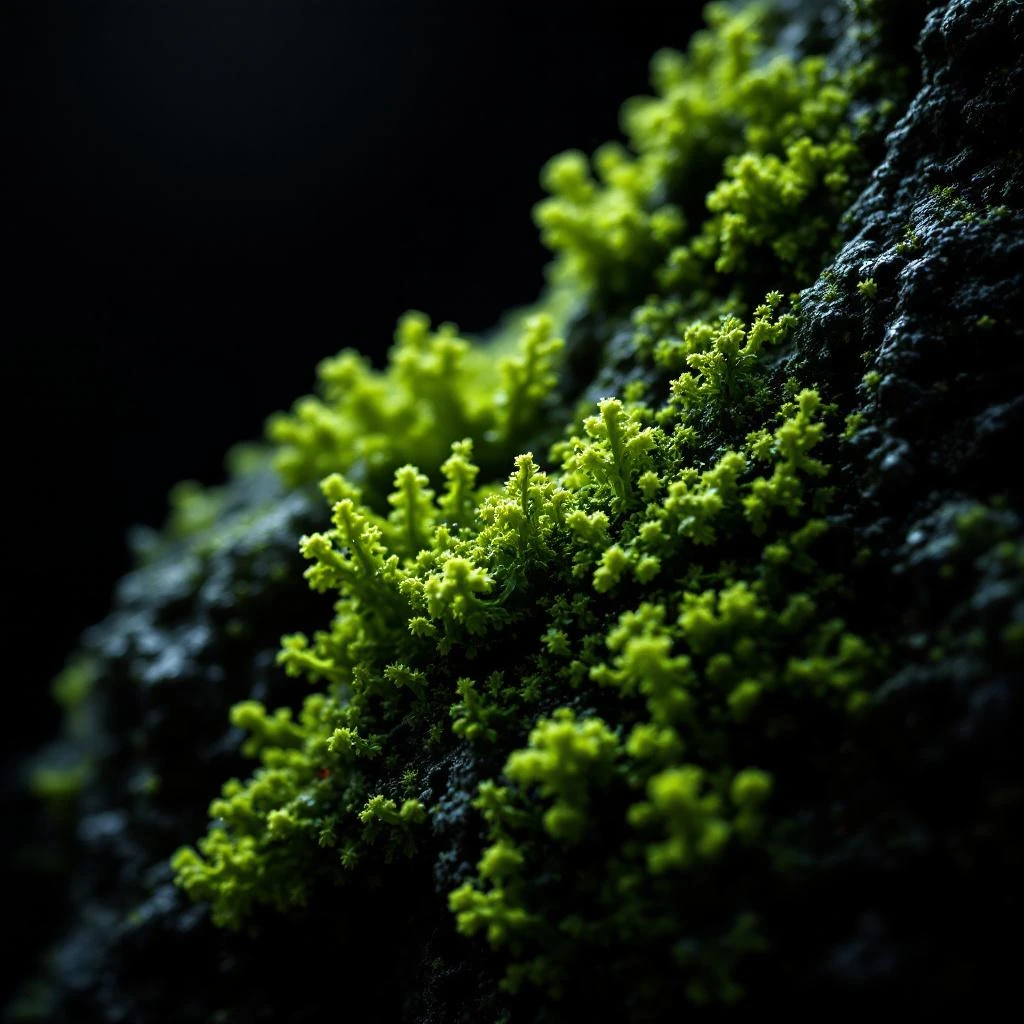
How it smells
Dense African wood with a smoky, bitter soul.
Wenge wood is so dense it actually sinks in water, making it one of the heaviest hardwoods used in perfumery.



Origin
Cameroon
Wenge (Millettia laurentii) takes its name from the Kikongo word for the tree, used by communities in what is now the Democratic Republic of Congo. Indigenous peoples of Central Africa worked with this timber for centuries before it entered global trade in the colonial era.
European wood traders prized it for its exceptional density and striking dark coloration with contrasting pale grain. The tree grows slowly in the rainforest understory, reaching heights of 15 to 20 meters.
In traditional local economies, wenge served practical and ceremonial purposes, from tool handles to ritual objects. Its introduction to perfumery is relatively recent, emerging in the late 20th century as niche and editorial fragrance houses sought unusual woody materials to differentiate their compositions.
Wears it best
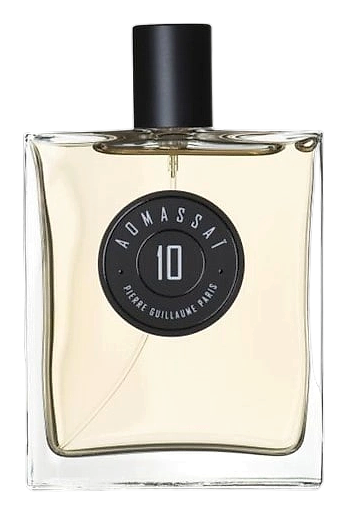
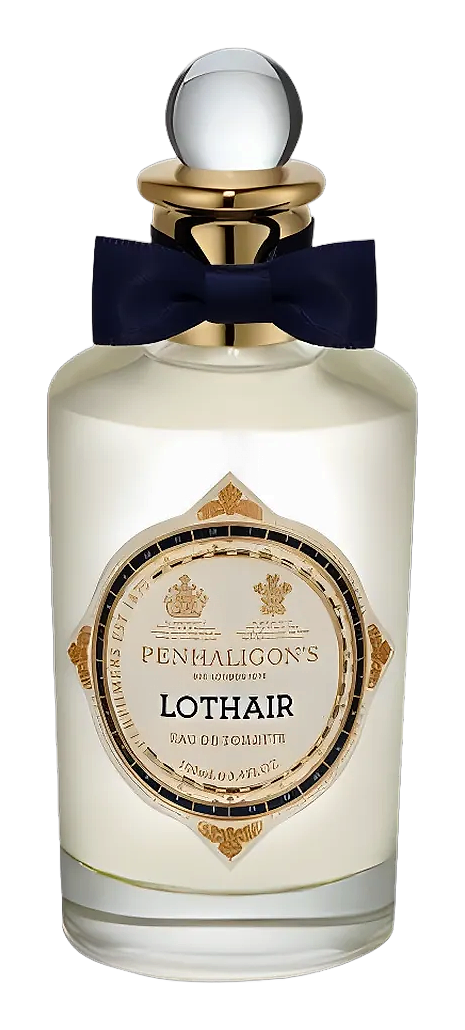
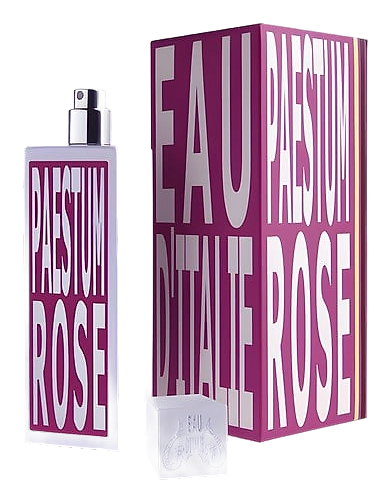
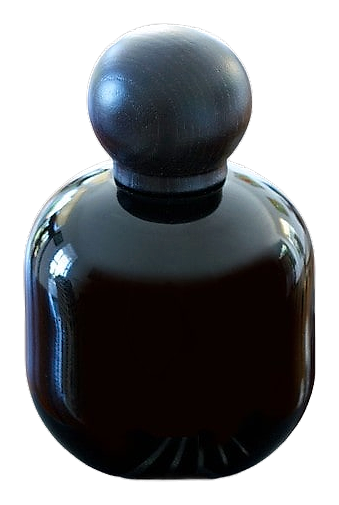
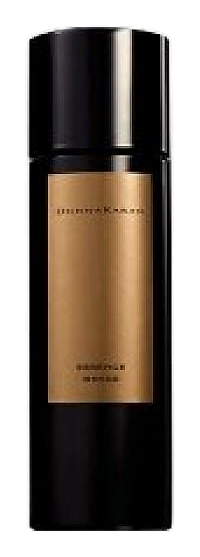
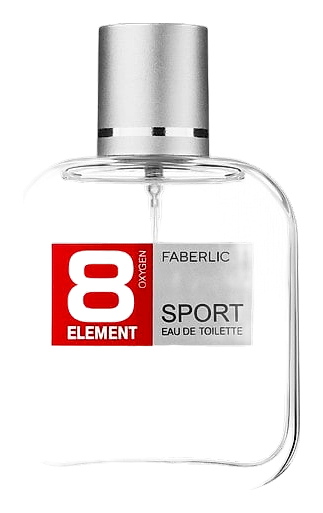
Fragrances featuring Wenge
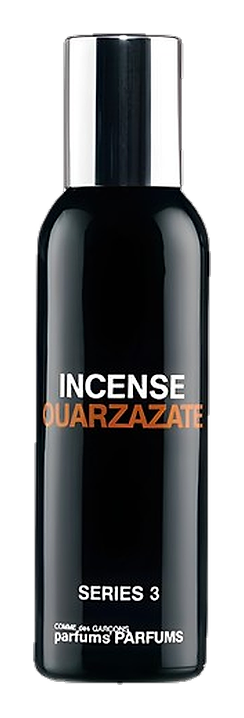
Brands
Brands known for Wenge
Good to know
Questions, answered
The essentials on Wenge in perfumery: how it smells, where it comes from, and how it behaves on skin.
What does wenge smell like in perfume?
Wenge delivers dark, smoky, and slightly bitter notes reminiscent of roasted coffee or dark chocolate. It adds resinous depth and a woody backbone to fragrance compositions.
Is wenge a natural or synthetic fragrance ingredient?
Wenge is a natural ingredient. The absolute comes from solvent extraction of the dried heartwood of Millettia laurentii trees native to Central Africa.
What type of fragrance notes does wenge provide?
Wenge functions as a base note, providing lasting depth and darkness. Perfumers use it similarly to oud or guaiac wood for its warm, smoky anchoring effect.
How long has wenge been used in perfumery?
Wenge entered perfumery in the late 20th century, making it a relatively modern addition compared to traditional materials like sandalwood or cedar.
What fragrances feature wenge as a key ingredient?
Wenge appears in several niche fragrances including Oriza L. Legrand Deja Le Printemps and some editorial houses seeking unusual woody materials. Check individual fragrance listings for specific formulas.
Where does wenge wood grow?
Wenge comes from Millettia laurentii, a slow-growing tree native to Central African rainforests, primarily Cameroon, the Republic of Congo, and the Democratic Republic of Congo.
Does wenge extraction harm the tree?
Wenge trees must reach 40+ years before harvest to develop sufficient aromatic compounds in their heartwood. Sustainable sourcing practices are essential given the tree's slow growth rate.
Can wenge be blended with other woody notes?
Wenge pairs well with other dark woods like oud and vetiver, as well as resinous materials such as benzoin and labdanum. It adds complexity to smoky and leathery compositions.