The Story
Why it exists.
The beginning
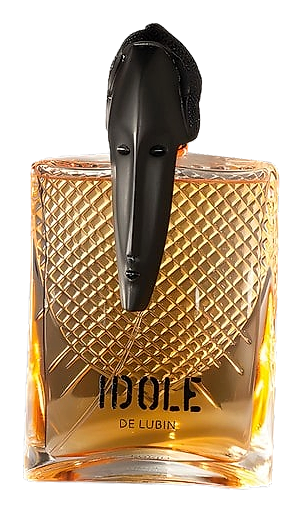
Raymond Pouliquen created Idole in 1962, a time when Lubin had spent over a century and a half supplying French courts with scent. The house knew elegance the way only a family business with royal roots could. By the 1960s, the modern woman was arriving, she worked, she moved, she wanted fragrance that meant something. Idole was Lubin's answer. Named for the ideal, the object of devotion, it was designed to be that for someone. Not a flattering gesture. A declaration.
The aldehydic-floral-chypre structure was no accident. Aldehydes gave it sparkle and presence, that lifted, almost effervescent quality that makes a scent feel lit from within. The jasmine and lily of the valley heart kept it grounded in femininity without sweetness. And the base, anchored by civet and Mysore sandalwood, gave Idole its backbone. This is where the fragrance lives after the first hour. A warm, slightly animalic, powdery trail that feels like skin warmed by fabric. Not a surprise ingredient. The tell that separates this from lighter contemporaries.
The evolution
On skin, Idole opens with aldehydes that hit like cold marble, bright, clean, almost fizzy. The Calabrian bergamot lifts the peach without sweetening it. Thirty minutes in, the jasmine arrives. It doesn't dominate. It steadies. The lily of the valley appears quietly, a soft middle voice between the aldehydic top and the warm base below. The civet is the secret. It surfaces in the drydown, adding a dimension that reads as skin-warm, as intimate, as something the wearer carries rather than broadcasts. The sandalwood and patchouli hold for hours. On fabric, this is the fragrance that stays until the next wash. On skin, it transforms.
Cultural impact
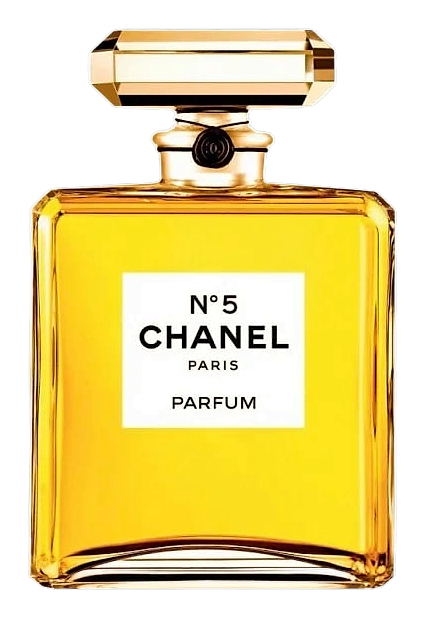
Launched in 1962, Idole sits within the aldehydic-floral-chypre tradition that defined feminine fragrance for decades. The structure, aldehydes, jasmine, animalic base, was the dominant grammar of the era, shared with some of the most celebrated fragrances in history. What distinguishes Idole is its warmth and the civet-forward drydown, which gives it a distinctly intimate character.