
The Story
Why it exists.
The beginning
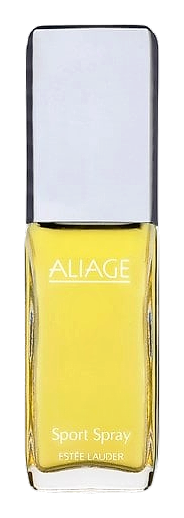
When Francis Camail and Bernard Chant created Aliage for Estée Lauder in 1972, they weren't making another floral. They were making a statement about how women moved through the world. The perfumers built something that smelled like momentum: bright opening, clean heart, a drydown that stayed close without explaining itself. This was the era when women's lives were shifting, sport, movement, independence becoming aspiration and reality. Camail and Chant translated that energy into scent. Not delicate. Not decorative. Green, vital, and alive. A fragrance that refused to sit still. The green notes crackle with an almost metallic brightness, like crushed leaves on a cool morning. There's a crispness that cuts through, an herbal quality that feels purposeful rather than ornamental.
The chypre structure is the engine here. Classic architecture, citrus, floral heart, mossy base, but the execution feels different. The green notes aren't decoration; they're the point. Oakmoss and vetiver anchor the drydown with an earthy dryness that keeps everything grounded. This is what happens when a house known for polished femininity makes something with a pulse. The citrus at the top pops with a tart, almost astringent quality that wakes up the senses immediately.
The evolution
The opening hits crisp and alive, citrus and green notes arriving clean, no preamble. Thirty minutes in, the jasmine and rose arrive quietly. By the second hour, the drydown takes over. It stays intimate through hours five through eight, not projecting, not demanding. On the skin the next morning, a ghost of vetiver and moss remains. The composition evolves from bright to grounded to quietly persistent. There's a moment in the first hour where the green notes intensify, almost like the scent is asserting itself before the florals arrive to soften the edges. The base notes develop slowly, revealing themselves in layers as the hours pass, each stage feeling distinct yet connected to what came before.
Cultural impact
Aliage arrived in 1972 as the first sports fragrance, before the word existed in fashion. The green-chypre profile reflected a new kind of feminine ambition: active, independent, uncompromised. The fragrance has endured not as nostalgia but as a reference point for what sporty elegance can mean. It remains relevant today, resonating with those who seek a scent that mirrors an active, confident lifestyle without sacrificing sophistication.