Charred Wood
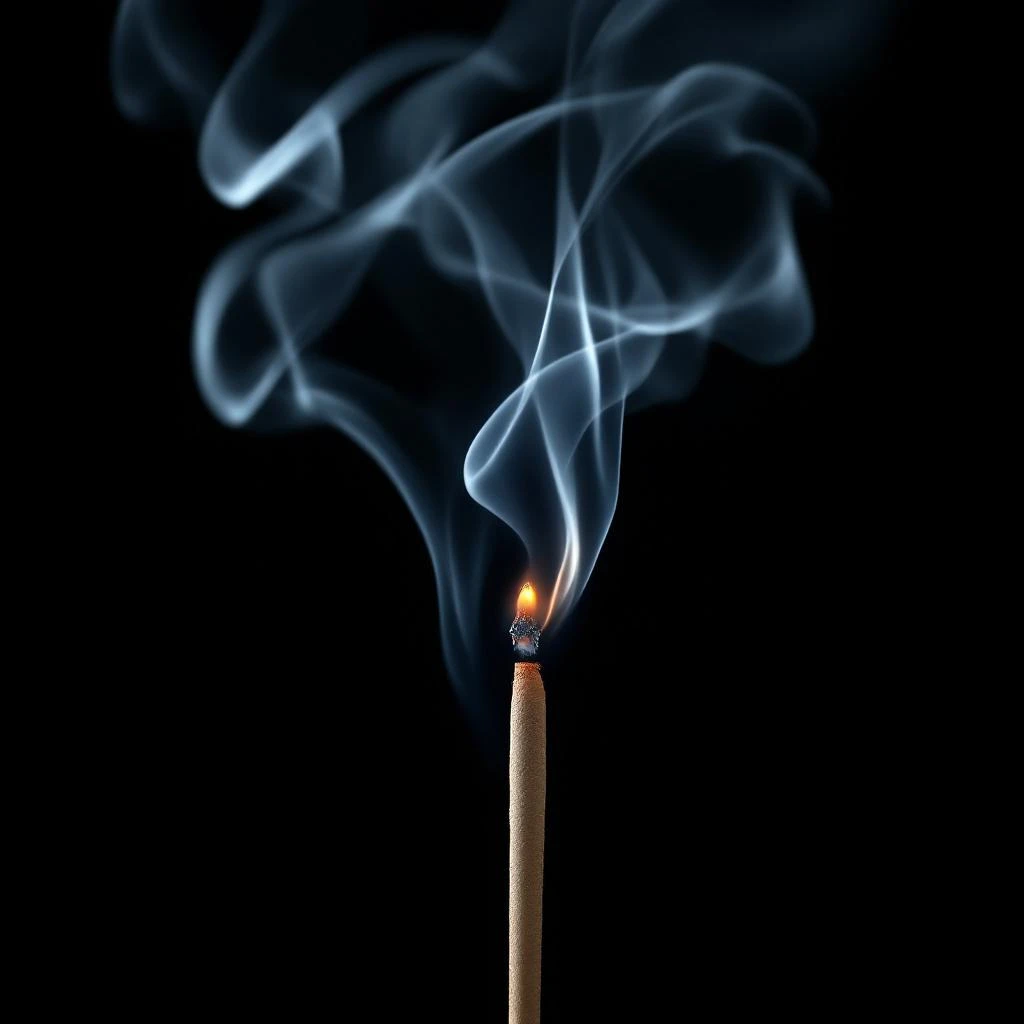
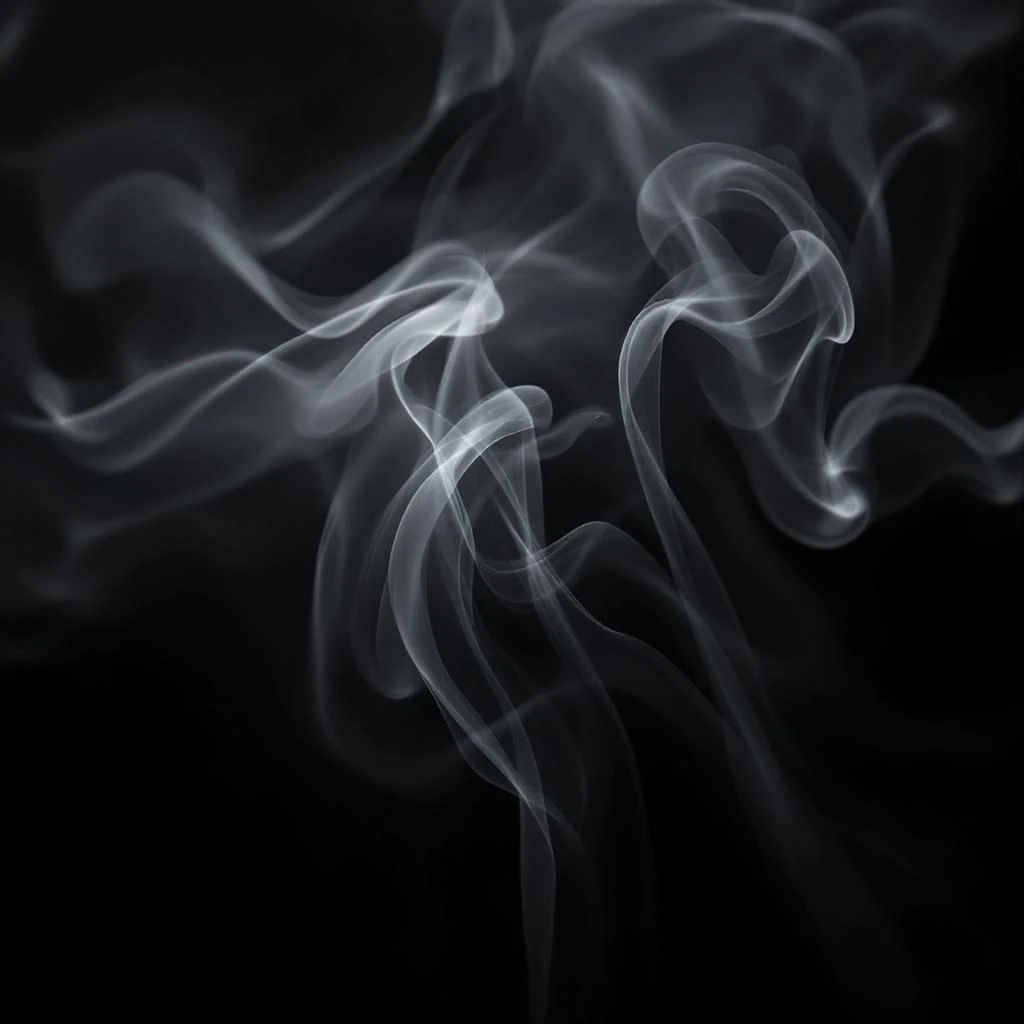
Smoky, warm, and primal. Charred Wood captures the moment wood transforms into ember—dense, ashy, and deeply resonant in the drydown.
Character
How it smells
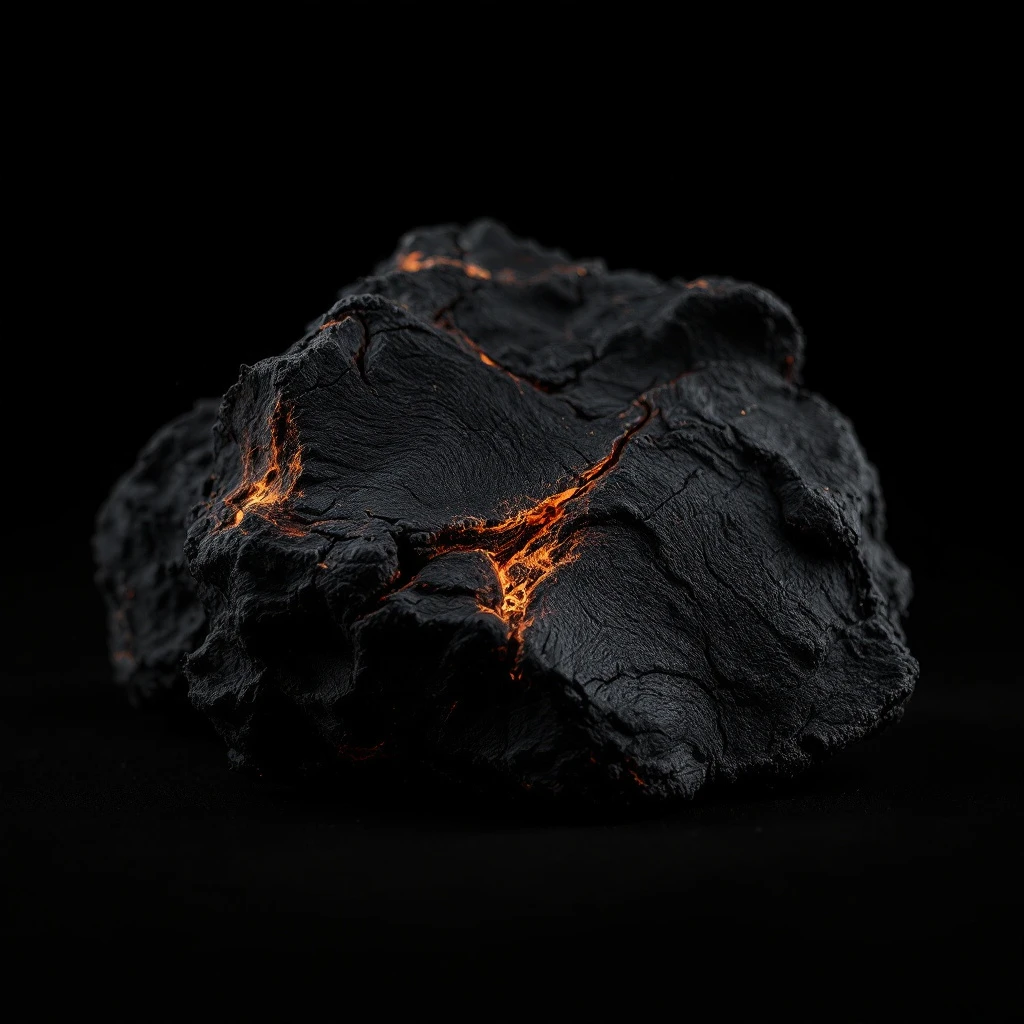
Where fire meets forest in a plume of smoke.
Cade oil, the natural source for charred wood notes, comes from slowly charring cade juniper wood before steam distilling it.





Origin
Morocco
Charred wood enters perfumery through ancient human experience with fire itself. Before distillation techniques existed, people understood smoke intimately—watching how burning wood released aromatic molecules into the air. Mediterranean cultures, particularly in Provence and North Africa, developed traditional methods of charring cade juniper for medicinal and ritual purposes, long before perfumery adopted these practices.
The Latin origin of the word perfume itself—per fumum, meaning 'through smoke'—reflects how deeply smoke and fragrance intertwined in early human history. Ancient Egyptians burned aromatic woods in ceremonies, while Greek and Roman physicians used charred wood preparations for healing. The formal extraction of smoky notes emerged gradually, with 19th-century perfumers in southern France pioneering cade oil production as a fragrance material.
These artisans observed how local shepherds used charred juniper branches to treat wounds, drawing connections between fire, wood, and therapeutic properties. Modern perfumery inherited this knowledge, integrating charred wood as a signature note in masculine orientals and smoky chypres. Today, the ingredient bridges prehistoric fire rituals and contemporary fragrance creation.
Wears it best
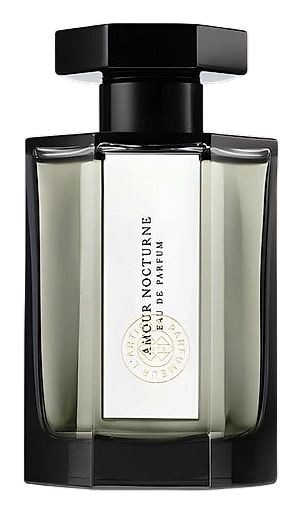
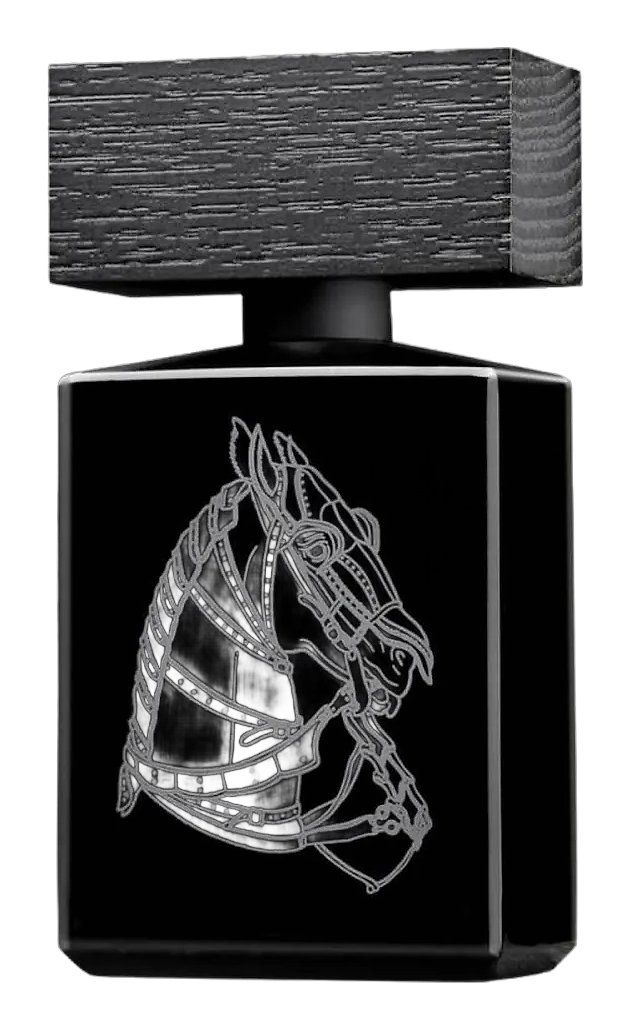
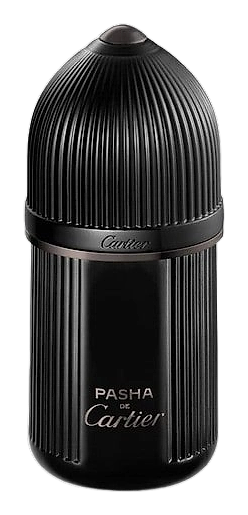
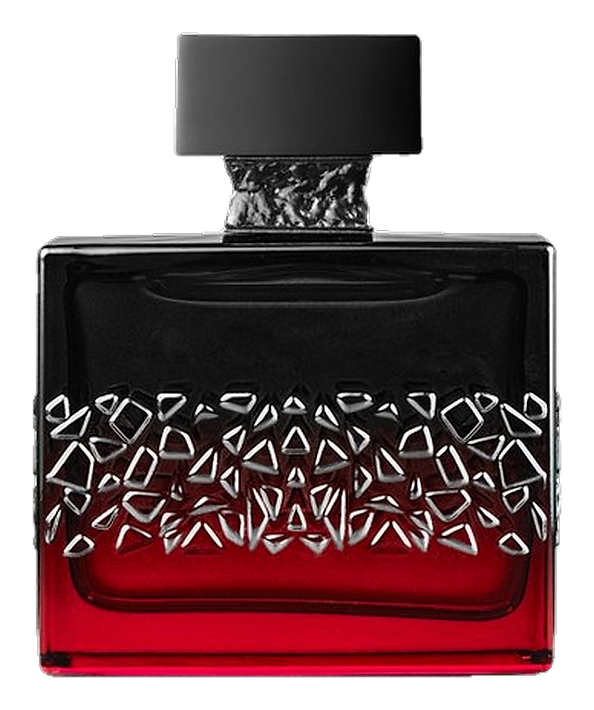
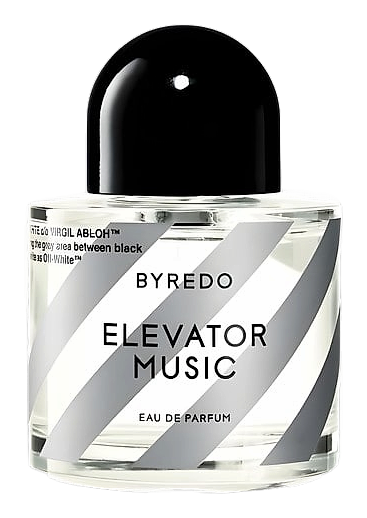
Fragrances featuring Charred Wood



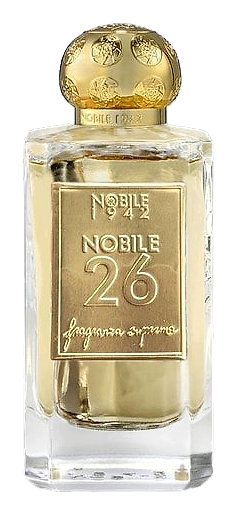
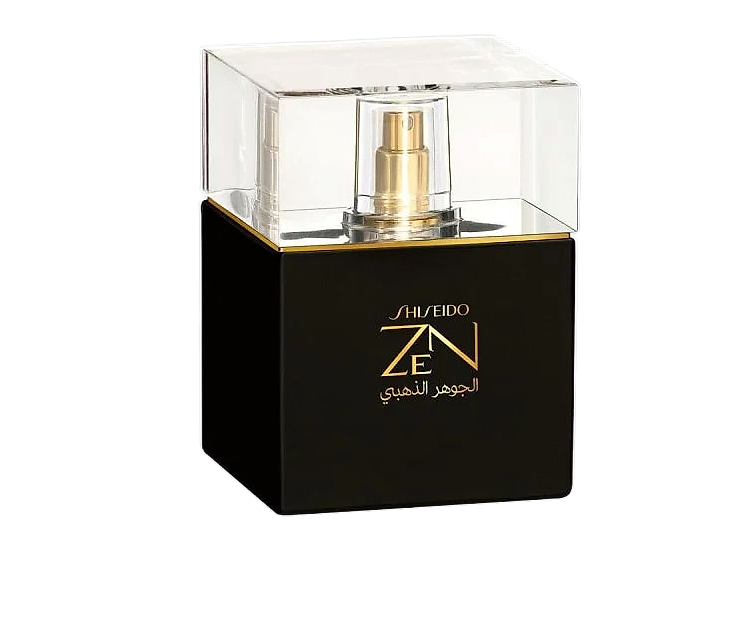

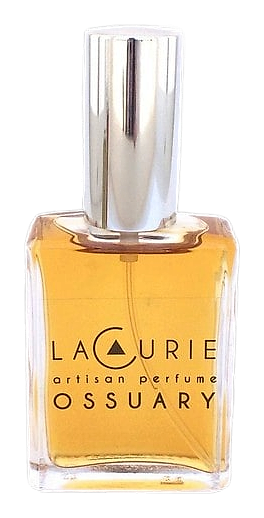
Brands
Brands known for Charred Wood
Good to know
Questions, answered
The essentials on Charred Wood in perfumery: how it smells, where it comes from, and how it behaves on skin.
What gives charred wood its distinctive smoky scent?
Burning or charring the wood creates pyrogenic compounds like guaiacol and creosol. When steam distilled, these molecules yield cade oil with intense smoky, ashy character.
Is charred wood natural or synthetic?
Both exist. Natural charred wood comes from cade oil or birch tar oil through traditional distillation. Synthetics like phenolic odorants can replicate smoke notes for cruelty-free or budget-friendly formulations.
Which fragrance families use charred wood most?
Chypres, oriental, and woody families incorporate charred wood frequently. It adds depth and drama to masculine fragrances and smoky feminines alike.
How does charred wood behave in a fragrance composition?
It functions as a base note, providing grounding and persistence. Charred wood projects moderately but lasts long on skin, creating a smoky aura throughout wear.
Can charred wood be extracted from any wood type?
Specialized woods work best. Cade juniper and silver birch produce the most valued smoky oils. Other woods lack the necessary aromatic compounds when charred.
What does charred wood smell like?
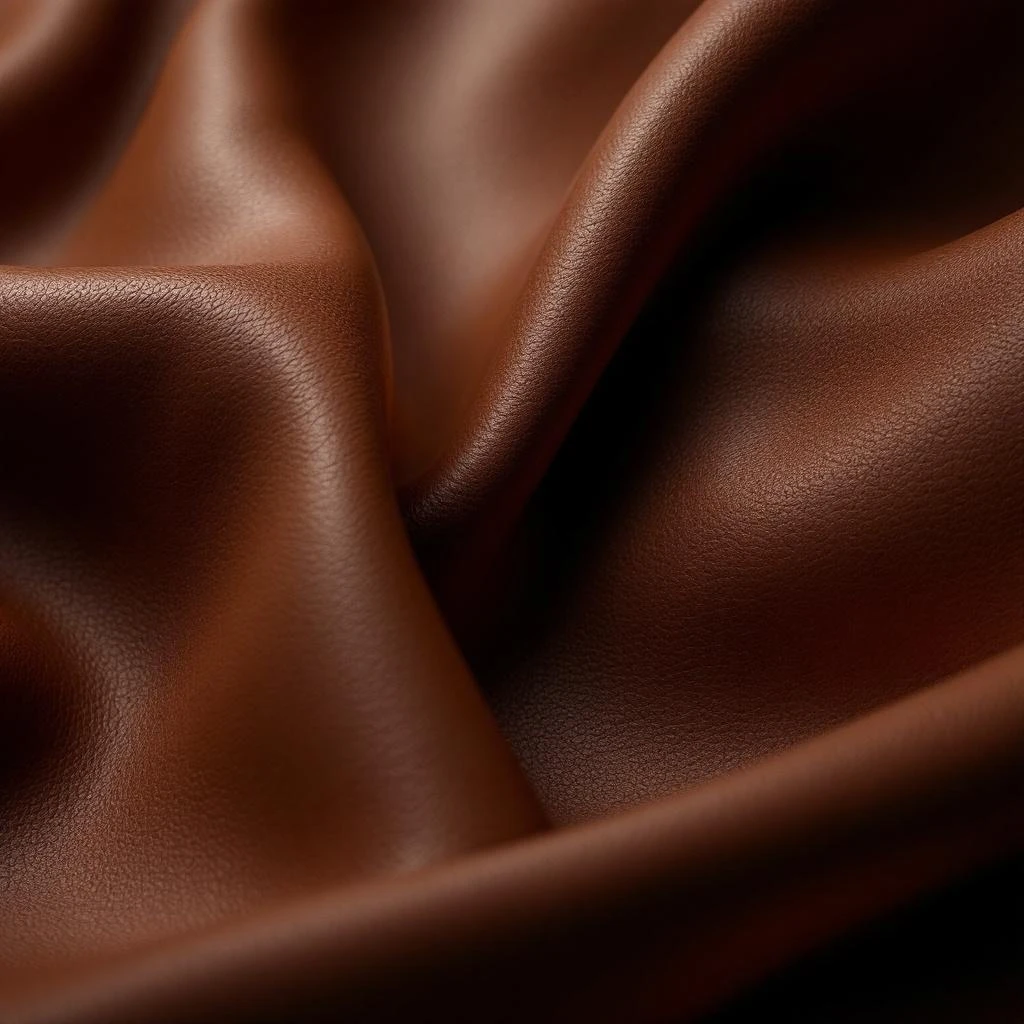
Dense, ashy smoke dominates with undertones of warm tar, leather, and damp earth. It recalls campfire embers and wood-fired ovens rather than sharp flame.
How long has charred wood been used in perfumery?
Formal use began in 19th-century France, though humans have used smoke from burning woods in rituals and medicine for thousands of years.
Does charred wood work well in warm or cool climates?
It performs across temperatures but excels in autumn and winter wear. The cozy, smoky character complements cooler weather and reads beautifully on skin.