The Story
Why it exists.
The beginning
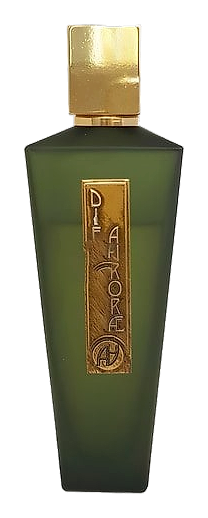
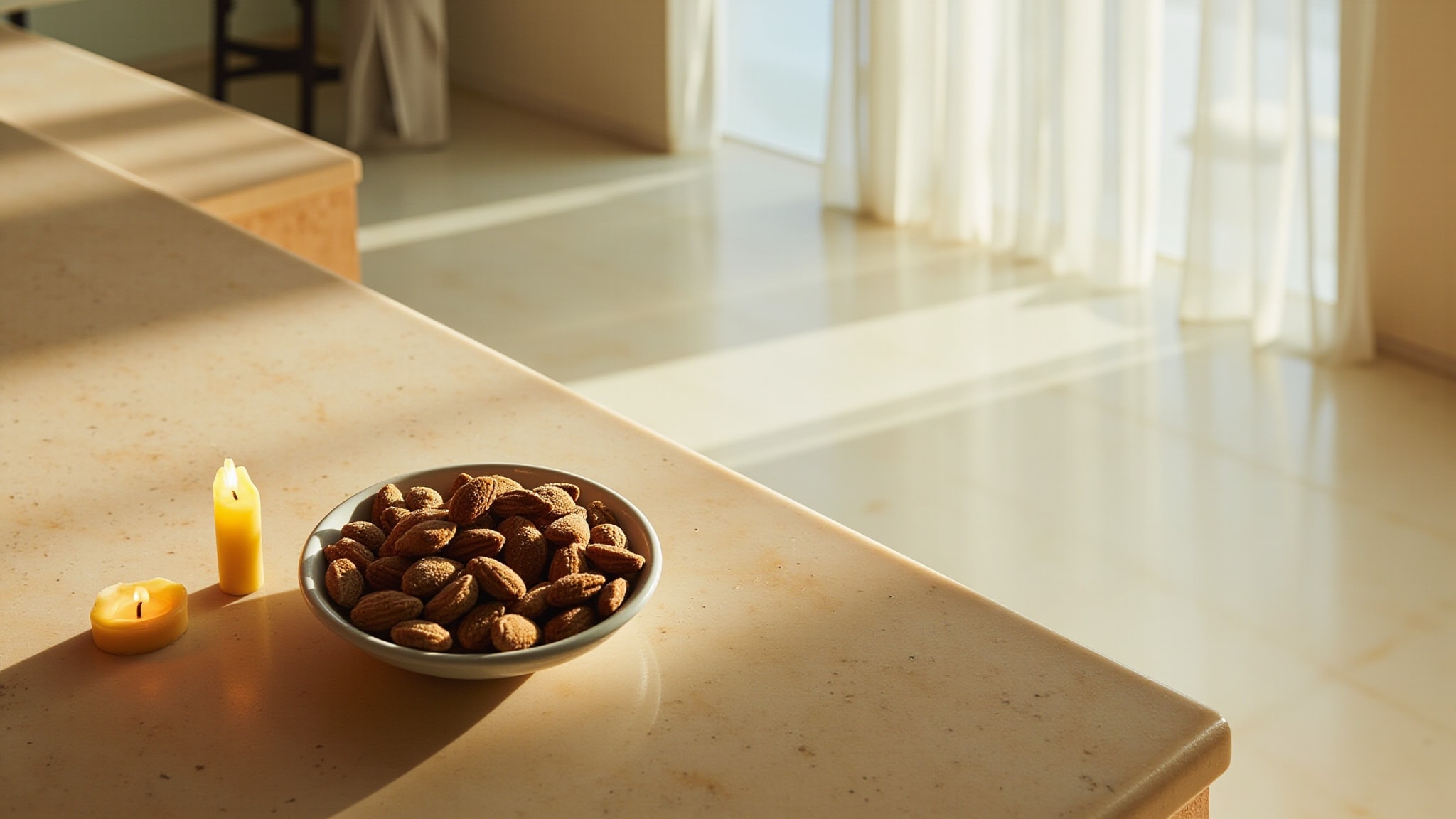
The Feast of Sant'Agata fills Catania's streets every February with singing, fire, and centuries of ritual. A boy, no older than ten, walks beside his father through the crowd that has gathered since before dawn. The cathedral doors open. Devotees rush the pews. The boy clutches his father's sleeve and brings an olivetta to his mouth, one of those sugar-coated candied almonds the vendors sell at every corner. The taste of it, sweet and slightly bitter from the almond skin, blends with something else entirely. Incense. Not the pleasant perfume of a boutique, the accumulated, settled, ancient smell of smoke that has been burning in this space for hundreds of years. That moment became Dies Aurorae. The fragrance translates the sensory collision of a child's first communion: sweetness and smoke, sugar and sacred space. Hazelnut, caramel, and pistachio stand in for the treats. Elemi resin carries the citrus brightness of the Sicilian morning.
What makes this composition unusual is the way the edible notes never fully resolve into dessert. The hazelnut and caramel open warmly, almost gourmand, but the elemi resin cuts through with a sharp, almost medicinal brightness, the smell of resinous sap, not sweet syrup. This is not a fragrance for people who want comfort. It wants to create a specific tension: sweetness that knows it's being watched. The heart deepens into beeswax and incense, which smell like a space that has been sacred for centuries, not perfumed, but weathered. Honey threads through the entire structure, keeping the smoke from going dark.
The evolution
The opening hits quickly, hazelnut and caramel arriving together, almost inseparable, with elemi's citrus-resin cutting through like a bell rung in a dark space. For the first twenty to thirty minutes, the composition feels almost medicinal: that elemi sharpness plus something in the incense that reads as herbal, perhaps from the beeswax itself. Then the sweetness wins. Pistachio and almond emerge, not as individual notes but as a warmth that softens the edges. The incense settles in, not smoky but present, like the memory of a smell rather than the smell itself. Honey adds body, a thickness that coats rather than floods. This phase lasts for hours. Cedar arrives quietly, adding a dry woodiness that stops the sweetness from becoming cloying. Vanilla and tonka hold the warmth. Musk and sandalwood form the final layer, close to the skin, intimate, with a slight powderiness that lingers into the next morning on fabric.
Cultural impact
Dies Aurorae occupies a specific space in the niche fragrance landscape: honeyed incense with edible warmth and strong longevity. It draws wearers who want a fragrance that smells like devotion rather than desire, who find the cathedral moment more compelling than the bar. The 2019 release arrived during a period when resinous, smoky compositions were gaining ground in indie perfumery, but the edible sweetness here distinguished it from the darker, more austere interpretations of the trend. Wearers describe it as the fragrance for someone who walks into a space and doesn't need to announce themselves, the smell of quiet certainty.