



    Brand Profile

    Nickel positions itself as a small‑scale fragrance house that experiments with unconventional scent structures. Since the early 2000s the br…More

    United Kingdom

    4.3

    Rating

    5
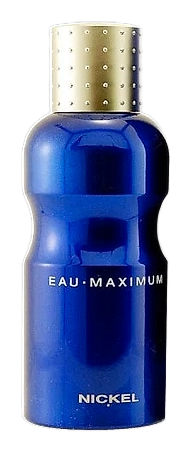
    Eau Maximum by Nickel – Eau de Toilette
    Best Seller
    4.3

    Eau Maximum

    Eau de Toilette

    Enemy by Nickel
    Best Seller
    4.0

    Enemy

    Calamity Ginger by Nickel
    Best Seller
    3.5

    Calamity Ginger

    Ulla Lala by Nickel
    3.0

    Ulla Lala

    Suzy Panty by Nickel

    Suzy Panty

    Haltane by Parfums de Marly
    Coming Soon

    Haltane

    Parfums de Marly

    The Heritage

    The Story of Nickel

    Nickel positions itself as a small‑scale fragrance house that experiments with unconventional scent structures. Since the early 2000s the brand has released a handful of cult‑favorite bottles, most notably Enemy (2003) and Eau Maximum (2006). Its catalogue reads like a snapshot of underground perfumery in the 2000s, mixing bright ginger accords, metallic undertones and playful naming. Nickel’s limited distribution keeps the creations out of mainstream department stores, allowing collectors to discover scents that feel more like personal statements than market trends.

    Heritage

    Nickel emerged in the early 2000s, a period when independent perfume makers began to challenge the dominance of large houses. While the exact founding year is not publicly documented, the brand’s first recorded release, Enemy, appeared in 2003. The launch coincided with a growing interest in niche perfumery, a movement that scholars trace back to the 1980s as a reaction against mass‑market fragrance production (see Wikipedia’s niche perfume entry). In 2006 Nickel introduced Eau Maximum, a composition that blended synthetic metallic notes with natural citrus, signaling the house’s willingness to juxtapose laboratory‑derived materials with traditional ingredients. The following year the brand expanded its portfolio with three releases: Calamity Ginger, Ulla Lala and Suzy Panty. Each scent carried a distinct personality – Calamidity Ginger highlighted fresh ginger root, Ulla Lala explored soft florals, while Suzy Panty leaned into sweet gourmand tones. Throughout the decade Nickel maintained a low‑key profile, avoiding large‑scale advertising and instead relying on word‑of‑mouth within niche fragrance forums. The brand’s modest output and limited batch sizes have cultivated a reputation for rarity, a trait often celebrated in niche circles (Fragrance Society history). By the 2010s Nickel’s founder – whose name remains undisclosed in public records – reportedly shifted focus toward sustainable sourcing, aligning with broader industry moves toward transparency. Although the house never opened a flagship boutique, it has participated in occasional pop‑up events in European art spaces, offering visitors a tactile encounter with its bottles and raw materials. Today Nickel continues to release occasional limited editions, each announced through niche perfume newsletters and curated social‑media channels. The brand’s trajectory reflects the broader narrative of independent perfume houses that prioritize artistic freedom over commercial scale, a story documented in multiple independent perfume histories.

    Craftsmanship

    Nickel’s production process begins with a small team of perfumers who draft formulas on paper before moving to the lab. The house favors a blend of synthetic aroma chemicals – prized for their stability and precision – and natural extracts harvested from botanicals such as ginger root, bergamot and jasmine. Ingredient sourcing follows a documented chain: natural extracts arrive from certified farms in Italy, France or India, while synthetics are purchased from established chemical manufacturers that provide batch‑to‑batch consistency reports. The formulation stage occurs in a modest studio equipped with temperature‑controlled mixing tables. Perfume makers weigh each component using analytical balances, then blend them in glass vessels to monitor the evolution of the scent over time. Nickel conducts a series of stability tests, exposing the mixture to varying light and temperature conditions for up to six weeks to ensure the fragrance retains its intended character. Once a formula passes testing, the blend is transferred to a stainless‑steel tank for maceration, a period that can last from a few weeks to several months depending on the composition. During maceration, the scent molecules integrate, smoothing harsh edges and deepening the overall profile. After maceration, the perfume is filtered through fine membranes to remove any particulate matter. Bottling takes place in a nearby facility that adheres to ISO‑9001 quality standards. Each bottle is hand‑filled using calibrated pistols to guarantee consistent volume. The brand employs simple, recyclable glass containers that showcase the liquid’s hue. Caps are sealed with aluminum closures to protect against oxidation. Every batch receives a batch number and a small printed sheet detailing the fragrance’s notes and the date of production, reinforcing Nickel’s commitment to traceability. Quality control includes a final olfactory assessment by the founder and senior perfumer, who evaluate the scent’s balance, longevity and projection on skin. Only batches that meet the house’s exacting standards proceed to distribution. This hands‑on, small‑batch methodology reflects Nickel’s belief that meticulous craftsmanship yields a more authentic olfactory experience.

    Design Language

    Nickel’s visual identity mirrors its minimalist philosophy. The bottles feature clear, high‑clarity glass with thin, matte‑black caps that give a subtle industrial feel. Labels consist of simple black typography set against a white background, displaying the fragrance name in a clean sans‑serif font. No ornate embossing or gilding distracts from the liquid inside; the design lets the scent speak for itself. The brand’s packaging extends this restraint. Each perfume arrives in a slim, recyclable cardboard sleeve printed with a single line of descriptive text, often a brief note about the key ingredient or the intended mood. The color palette stays within monochrome tones, punctuated only by a thin strip of color that hints at the fragrance’s character – for example, a muted orange for Calamity Ginger. Marketing visuals rely on stark photography: the bottle placed on a plain surface with soft, diffused lighting that highlights its shape. Occasionally, the brand collaborates with contemporary visual artists to create limited‑edition artwork that appears on the sleeve, reinforcing the connection between scent and visual art. In retail settings, Nickel prefers intimate pop‑up installations rather than large storefronts. These spaces often feature raw concrete walls, minimal furniture, and a single scent bar where visitors can sample the fragrances. The overall aesthetic conveys a sense of quiet confidence, inviting the wearer to explore the perfume without the noise of overt branding.

    Philosophy

    Nickel frames its creative vision around the idea of contrast. The house seeks to pair unexpected materials – such as metallic synthetics with raw spices – to provoke a sensory dialogue. In interviews, the brand’s founder has spoken about treating fragrance as a laboratory where curiosity drives formulation, rather than adhering to seasonal trends. This approach aligns with the niche perfume ethos of prioritizing artistic expression over mass appeal. The brand values transparency, sourcing ingredients from suppliers who can trace their raw materials to specific regions. Nickel’s statements on sustainability, though modest, echo a growing industry emphasis on ethical sourcing and reduced waste. The house also embraces a minimalist aesthetic, believing that a scent should speak for itself without the need for elaborate storytelling. Community plays a subtle role in Nickel’s philosophy. The brand encourages collectors to share personal experiences of the fragrances, fostering a dialogue that informs future creations. By listening to this feedback loop, Nickel aims to refine its olfactory experiments while staying true to its core belief that perfume is an intimate, personal art form.

    Key Milestones

    2003

    Release of Enemy, Nickel’s first documented fragrance, marking the brand’s entry into the niche market.

    2006

    Launch of Eau Maximum, a blend that juxtaposes metallic synthetics with citrus, gaining attention in niche perfume forums.

    2008

    Three new scents debut: Calamity Ginger, Ulla Lala and Suzy Panty, expanding the house’s olfactory range.

    2010

    Nickel adopts a formal ingredient traceability protocol, aligning with emerging sustainability standards in the industry.

    2015

    The brand participates in a curated pop‑up exhibition in Berlin, showcasing its bottles and raw materials to a broader audience.

    2020

    Nickel announces a limited‑edition re‑release of Enemy, featuring updated packaging that reflects its minimalist aesthetic.

    At a Glance

    Brand profile snapshot

    Origin

    United Kingdom

    Collection

    1

    Fragrances released

    Avg Rating

    4.3

    Community sentiment

    Release Rhythm

    2008
    3
    2006
    1
    2003
    1

    Did You Know?

    Interesting Facts

    Distinctive details and defining moments that shape the house personality.

    01

    Nickel’s name reportedly references the metallic note often used in its early compositions, a subtle nod to the element’s bright, sharp character.

    02

    The fragrance Calamity Ginger was formulated using ginger root harvested from a single farm in the Himalayas, a rarity for a small house.

    03

    Nickel’s bottles are produced by a family‑run glass workshop in the Czech Republic that has supplied artisanal glassware to independent brands since the 1990s.

    04

    Despite its low profile, Nickel’s Enemy fragrance appears on several curated scent‑pairing lists compiled by independent perfume bloggers.

    The Artisans

    The Perfumers