Tunisian Opium
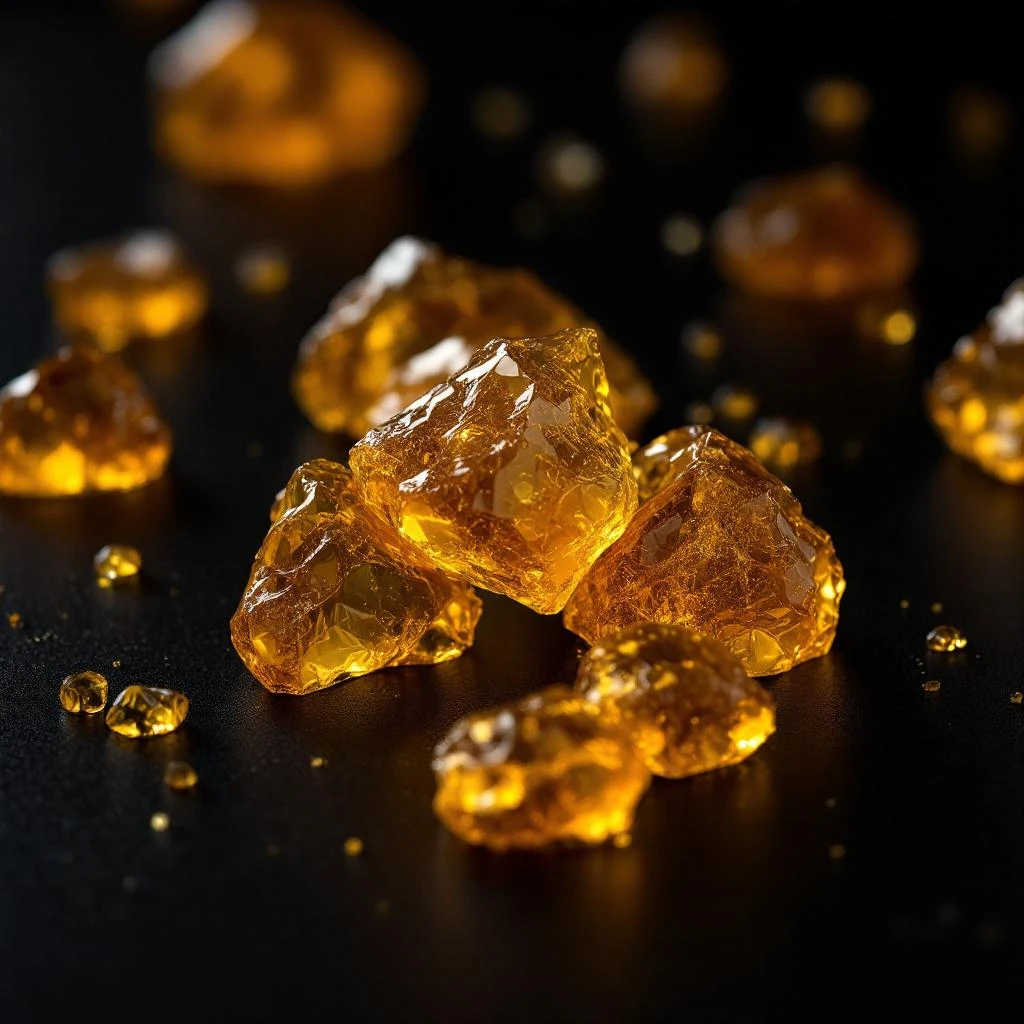
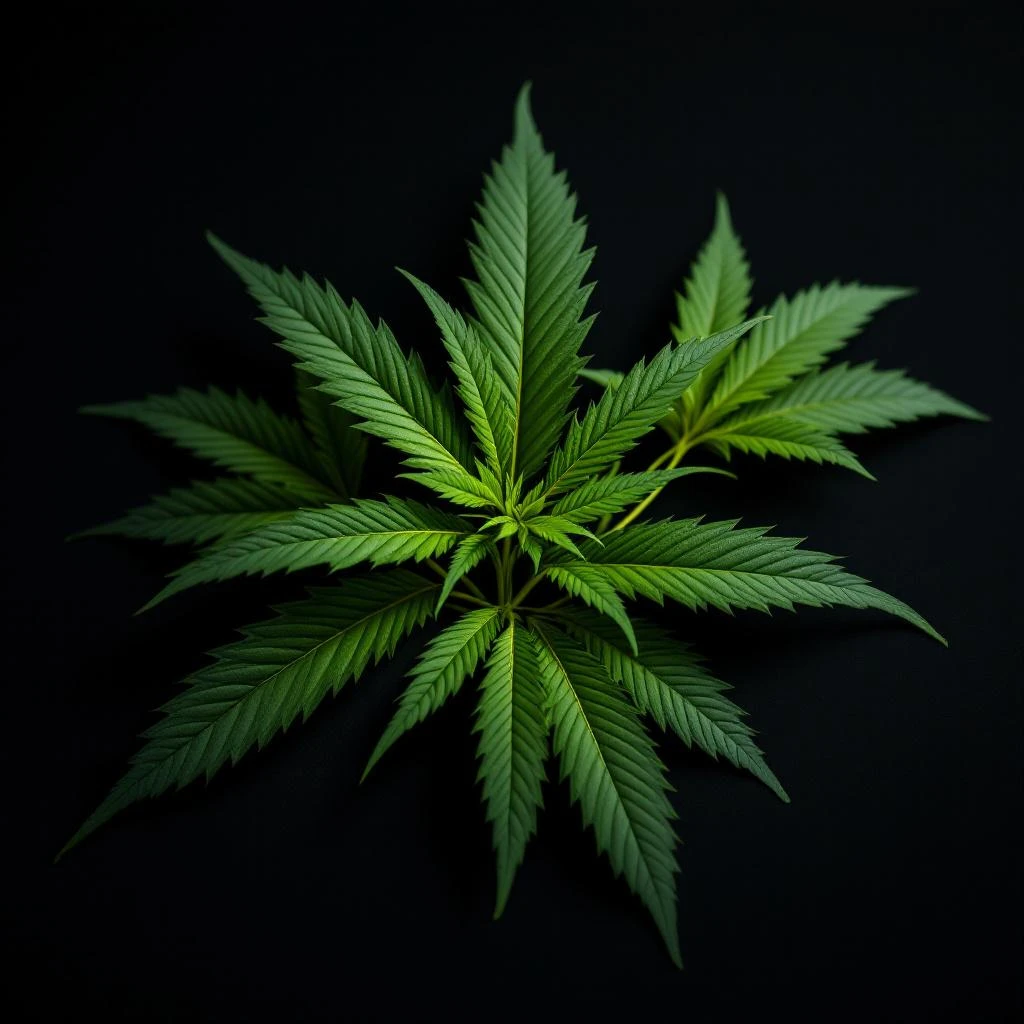
A resinous, warm material drawn from opium poppies cultivated in Tunisia's Mediterranean microclimate, prized for its deep, complex character and centuries-old olfactory heritage.
Character
How it smells
Warm resin, sweet narcotic depth
Tunisia has developed a notable perfume industry since the 20th century, producing aromatic materials once traded along ancient Mediterranean fragrance routes.


Origin
Tunisia
While ancient Mesopotamians first crafted perfumes around 2000 BCE and Egyptians perfected aromatic traditions, North Africa developed its own fragrant heritage along Mediterranean trade routes. Tunisia emerged as a notable perfumery ingredient source during the 20th century, building on earlier traditions where aromatic plants traveled from desert oases to coastal ports. The opium poppy has grown across this region for centuries, its cultivation tied to both traditional medicine and the region's agricultural expertise.
When François Coty popularized absolutes extracted through volatile solvents in the late 19th century, it opened new possibilities for concentrated aromatic materials from regions like Tunisia. Today, the country contributes to global perfumery with ingredients that carry the specific terroir of its landscapes—where Saharan winds meet Mediterranean coastlines, producing botanical materials found nowhere else.
Wears it best
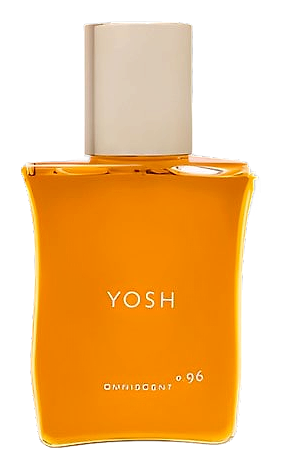
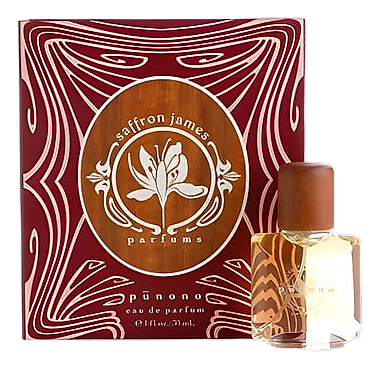
Fragrances featuring Tunisian Opium
Brands
Brands known for Tunisian Opium
Good to know
Questions, answered
The essentials on Tunisian Opium in perfumery: how it smells, where it comes from, and how it behaves on skin.
What does Tunisian Opium smell like?
It carries a warm, resinous character with deep balsamic sweetness, earthy undertones, and subtle honey-like nuances. The scent evokes the richness of traditional opium materials with a distinctly Mediterranean herbaceous quality.
Is Tunisian Opium natural or synthetic?
Tunisian Opium is a natural aromatic material harvested from Papaver somniferum cultivated in Tunisia. The raw opium gum is processed through extraction methods to create a concentrated perfumery ingredient.
How is opium harvested for perfumery use?
Producers make shallow cuts in unripe opium poppy seed pods at dawn. The milky latex that seeps out oxidizes overnight into raw opium gum, which is then collected and processed within 24-48 hours.
What perfumes feature Tunisian Opium?
Regional perfumers and niche houses incorporate this ingredient for its warm, complex base note character. It works particularly well in oriental fragrance compositions seeking depth and resinous warmth.
Does Tunisian Opium contain narcotic compounds?
The harvested opium gum contains alkaloids including morphine. Perfumers work with processed extracts that concentrate aromatic properties while managing the raw material appropriately under international regulations.
Can I grow opium poppies for perfumery in other regions?
Papaver somniferum cultivation is heavily regulated in most countries due to its narcotic alkaloid content. Tunisia's established perfumery industry manages cultivation within specific legal frameworks for aromatic material production.
How long has Tunisia produced perfumery ingredients?
Tunisia's perfume industry grew notably in the 20th century, though the region has ancient connections to aromatic trade routes. The country developed particular expertise with ingredients like opoponax alongside its opium cultivation.