Puakenikeni Blossom
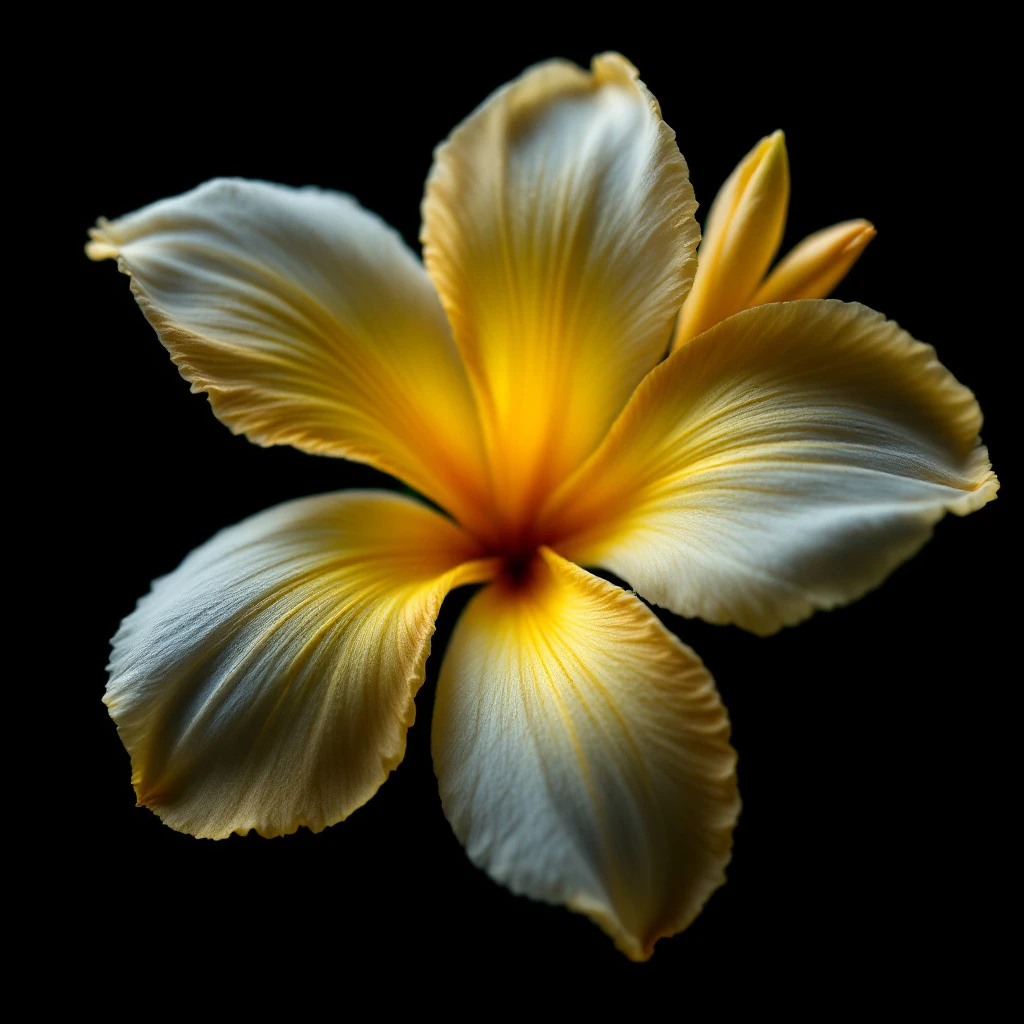
Puakenikeni, the 'perfume flower tree,' carries the intoxicating scent of the Hawaiian Islands into perfumery. Creamy, tropical, and unforgettable, this rare blossom captures the soul of the Pacific in every petal.
Character
How it smells
The Pacific's most coveted perfume flower, native to the Hawaiian Islands.
Its Hawaiian name combines pua (flower) and kenikeni (dime) because each bloom once sold for a dime when making traditional lei.


Origin
Hawaii
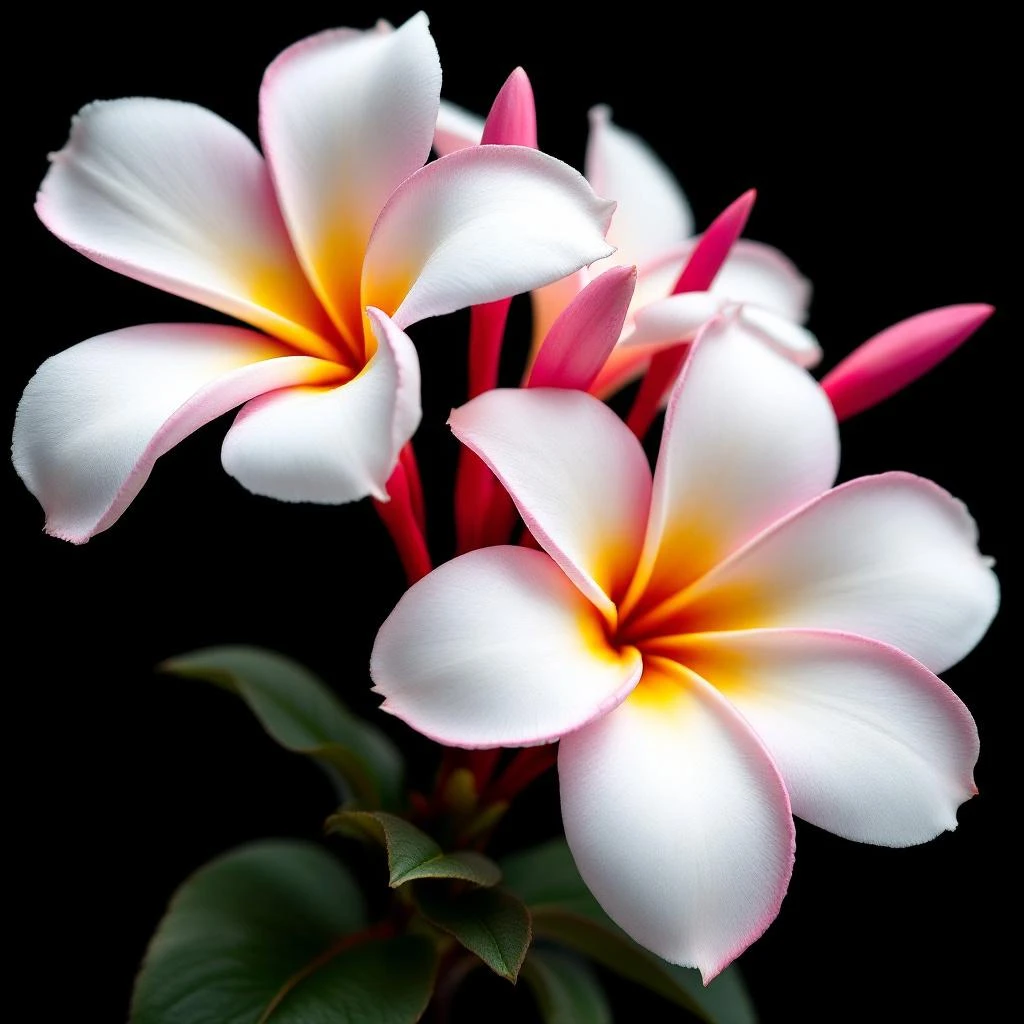
Puakenikeni carries a name rooted in economic history. In old Hawaii, vendors sold individual flowers for making lei, and each bloom cost a dime. Pua means flower, and kenikeni means ten cents, so pua kenikeni literally translates to ten-cent flower.
Hawaiians wove these fragrant blossoms into lei long before Western perfumery recognized their value. The tree, scientifically Fagraea berteroana, grows natively across the Pacific. Polynesian and Melanesian cultures from Tahiti to Samoa have prized this flower for centuries.
Early travelers to the islands documented how Hawaiians extracted the flower's scent to produce scented coconut oils, giving the tree its nickname, 'perfume flower tree.' This tradition predates modern commercial perfumery by generations, showing Hawaiians understood the value of their native botanicals long before the rest of the world caught on.
Wears it best
Fragrances featuring Puakenikeni Blossom
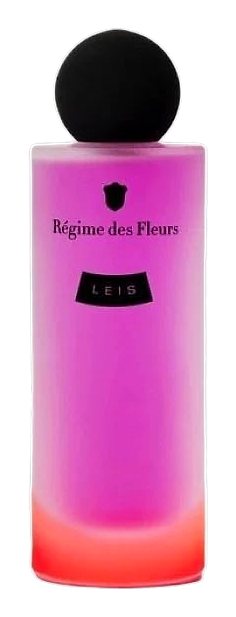
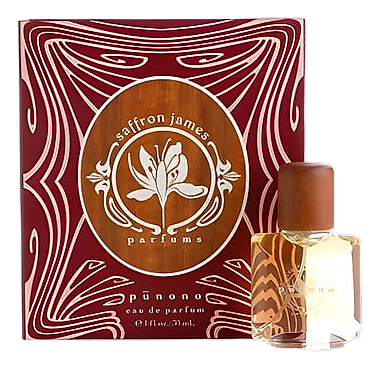
Brands
Brands known for Puakenikeni Blossom
Good to know
Questions, answered
The essentials on Puakenikeni Blossom in perfumery: how it smells, where it comes from, and how it behaves on skin.
What does Puakenikeni Blossom smell like?
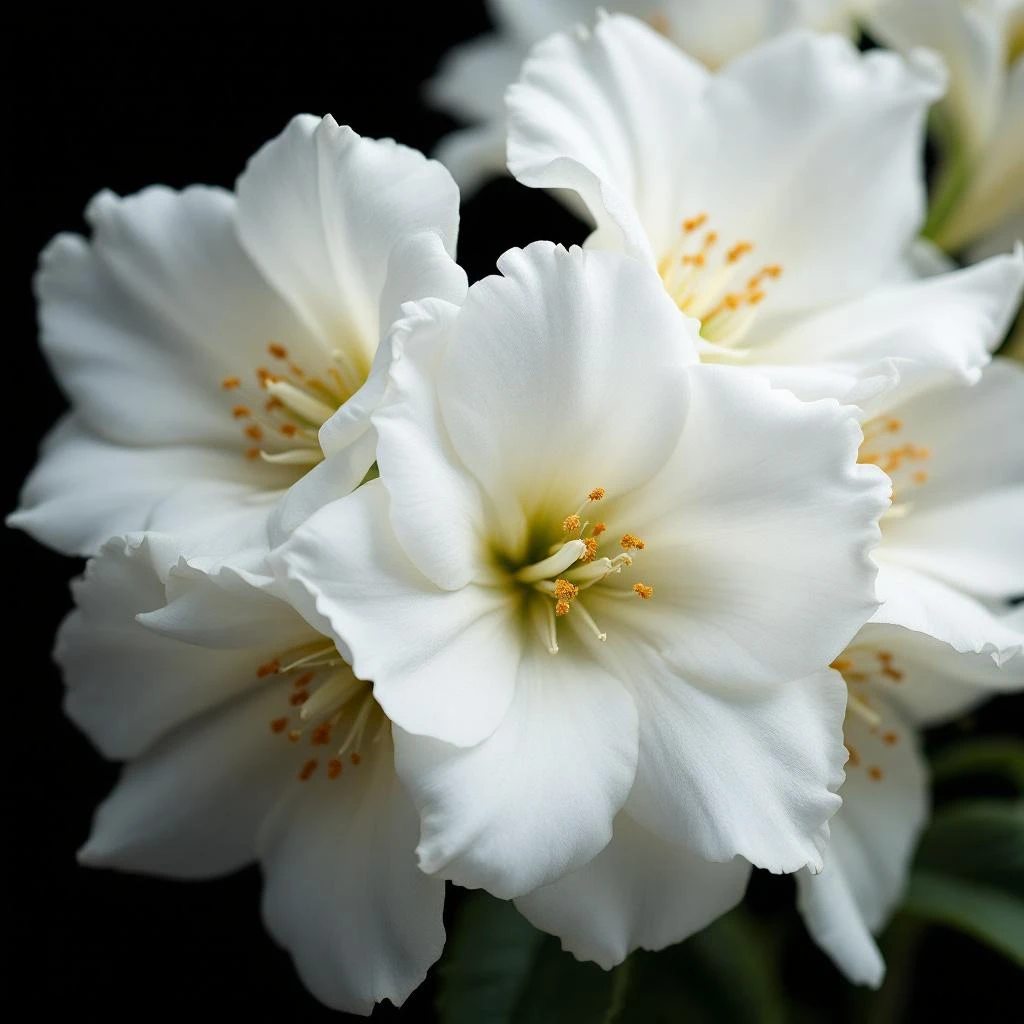
Puakenikeni Blossom smells creamy, sweet, and tropical. The fragrance combines notes of gardenia, jasmine, and honey, creating a warm, sun-drenched character unique to Pacific flora. It is more buttery and lush compared to sharper white florals.
Where does Puakenikeni grow?
Puakenikeni originates in Hawaii, where it grows as a small tree or large shrub. The species Fagrarea berteroana also grows across the Pacific in Tahiti, Samoa, Tonga, and other island nations. It thrives in tropical humidity and warm temperatures year-round.
Why is Puakenikeni so rare in perfumery?
Puakenikeni remains rare because the flowers bloom briefly and their delicate petals yield very little aromatic material. Large-scale extraction is costly and technically challenging, which limits commercial production despite strong demand for its scent.
What does the name Puakenikeni mean?
Puakenikeni literally means 'ten-cent flower.' In old Hawaii, vendors sold individual flowers for making lei, and each bloom cost a dime. Pua means flower, and kenikeni means ten cents, a charming economic snapshot of traditional lei-making culture.
How do perfumers extract fragrance from Puakenikeni?
Perfumery uses solvent extraction to capture puakenikeni's scent. This method uses high-pressure carbon dioxide to dissolve and collect the aromatic compounds from fresh petals without the heat that would damage the delicate fragrance molecules.
What are synthetic alternatives for Puakenikeni in fragrance?
Perfumers recreate puakenikeni's scent using aromatic chemicals that mimic its creamy, tropical floral profile. Blends of hedione, benzyl acetate, and jasmine-derived materials can approximate its warm, buttery character when the natural absolute is unavailable.
How is Puakenikeni used besides perfumery?
Hawaiians traditionally used puakenikeni flowers in lei-making and for scenting coconut oils. The flowers are still strung into garlands for celebrations and ceremonies across Polynesia. Some practitioners use the scented oils in traditional body care.
When does Puakenikeni bloom?
Puakenikeni blooms year-round in its native tropical habitat, with peak flowering occurring during warmer months. Individual flowers last only a day or two, which contributes to the flower's precious reputation and scarcity.




