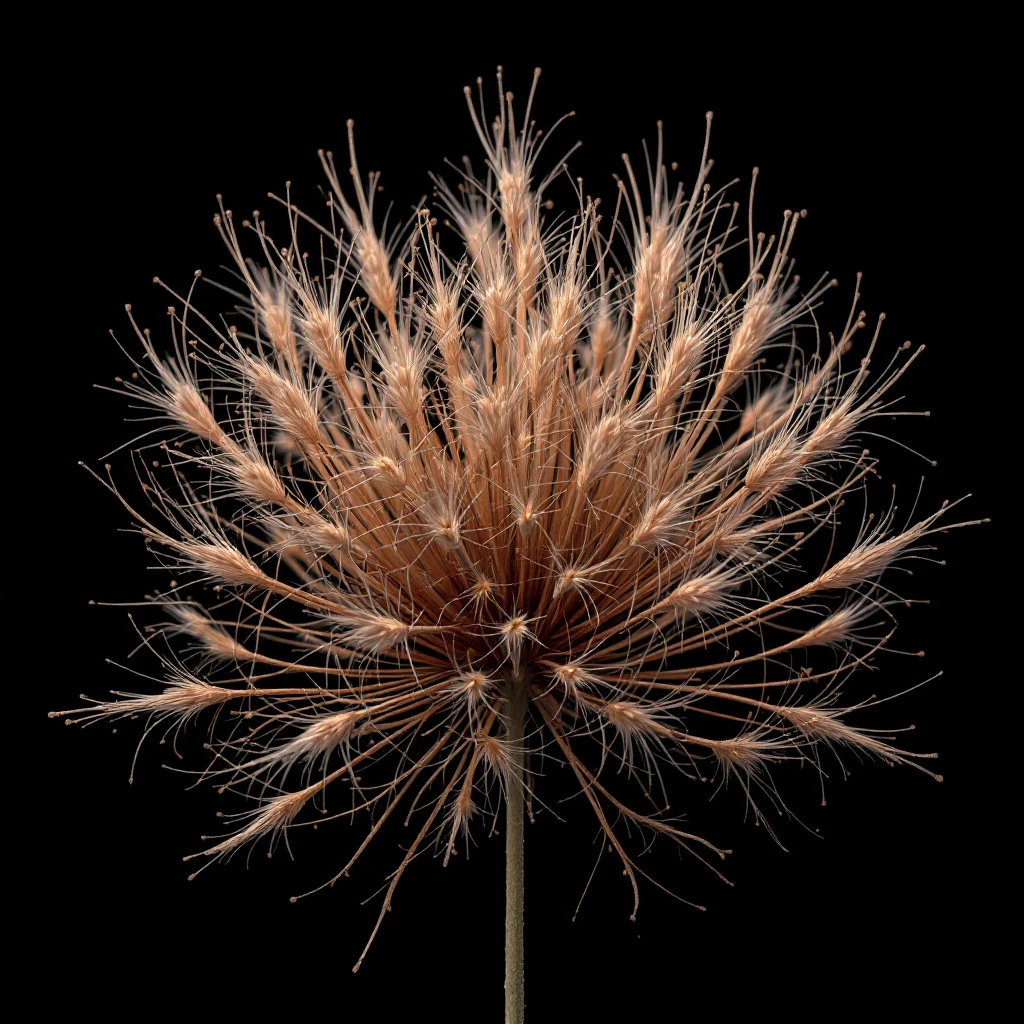
Mildew
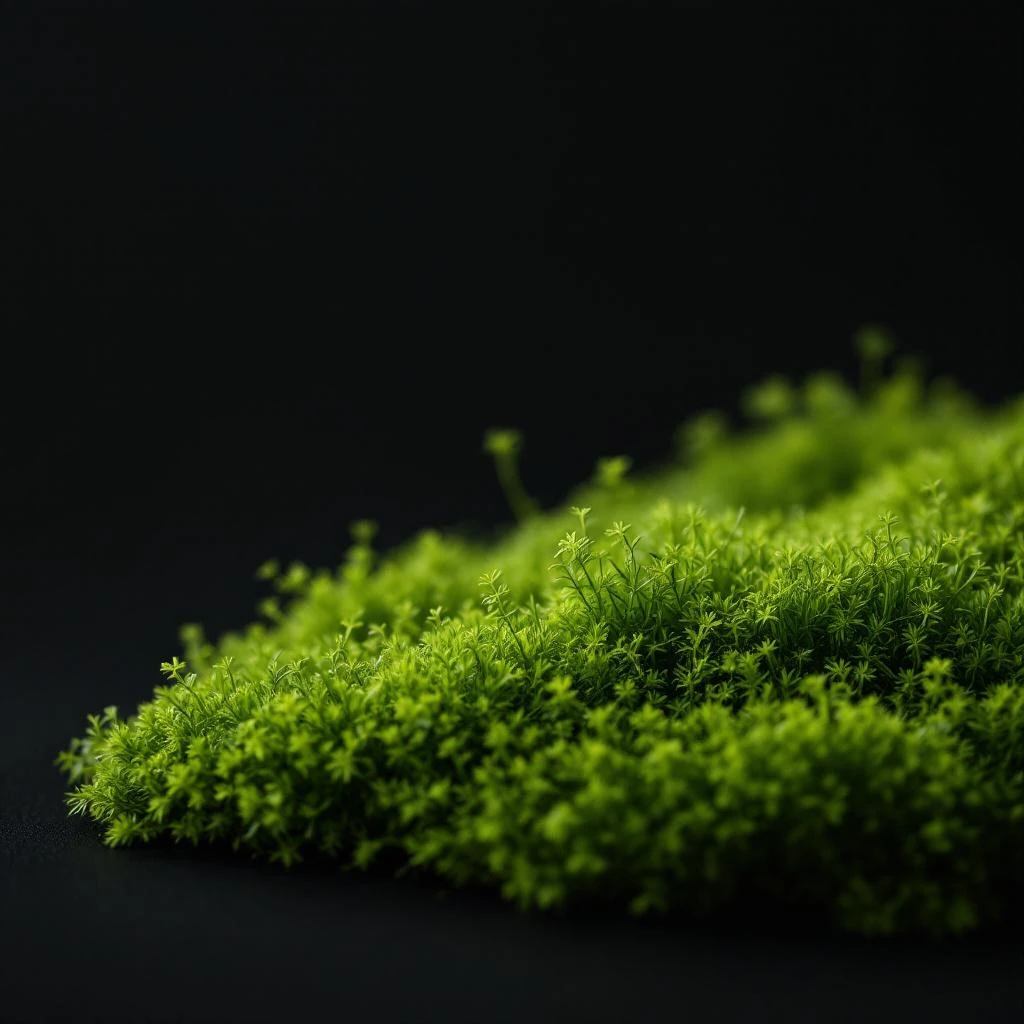
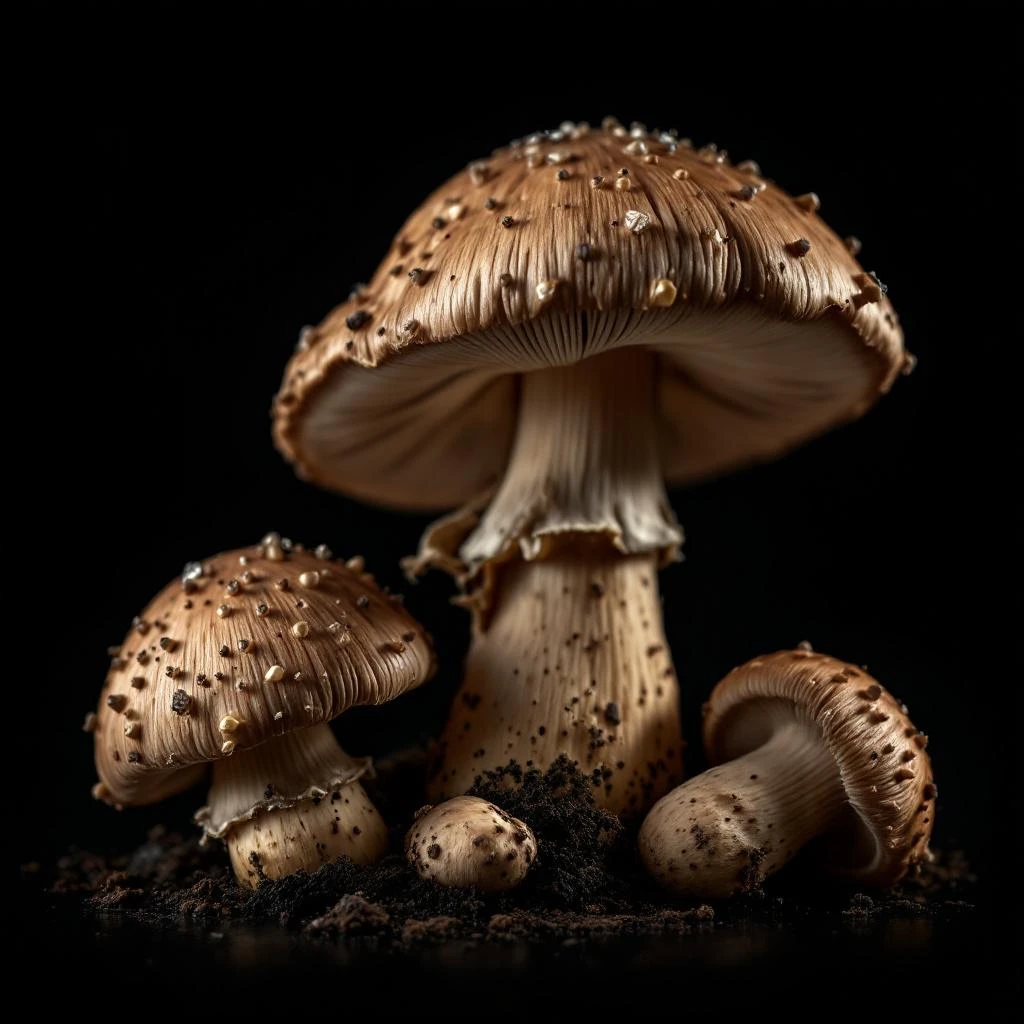
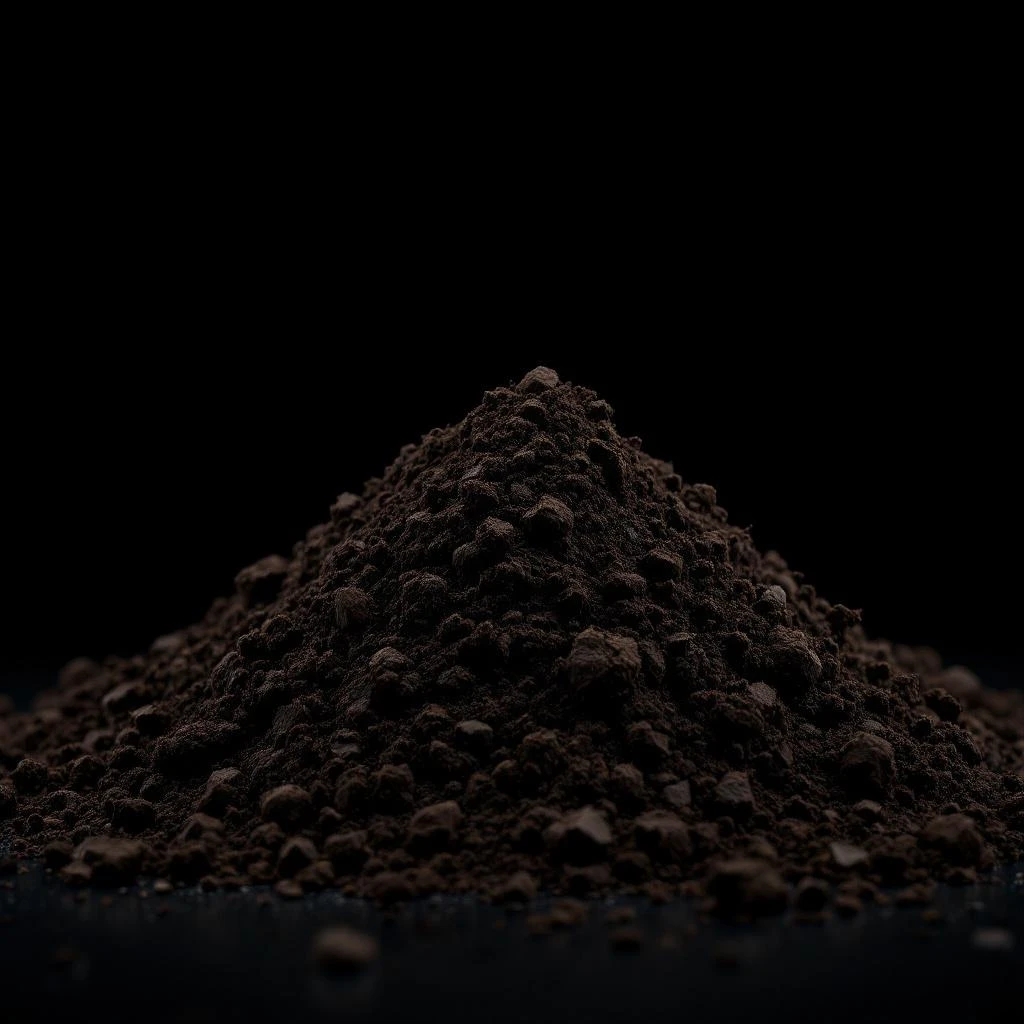
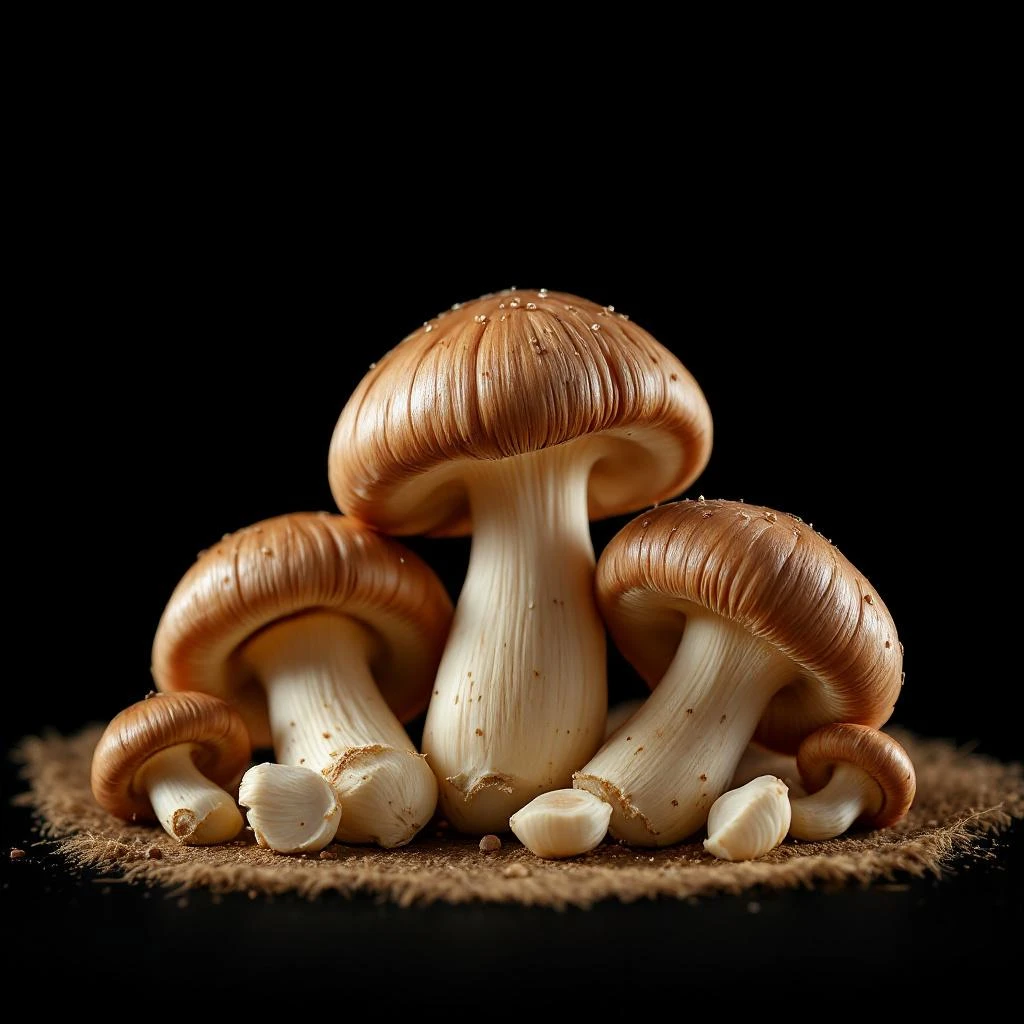
Mildew brings a raw, atmospheric edge to perfumery. It captures the scent of forgotten basements, rain-soaked earth, and damp wood—an accord that intrigues rather than repels, transforming familiar discomfort into olfactory fascination.

Character
How it smells
The unexpected beauty in dampness and decay.
Geosmin, the compound behind mildew's earthy scent, exists in soil at just 0.0004 percent yet our noses detect it at extraordinary sensitivity.





Origin
France
Mildew's emergence as a deliberate perfumery note tracks with late 20th-century shifts toward atmospheric realism in fragrance. Avant-garde perfumers of the 1970s and 1980s began exploring unconventional territory, seeking to capture specific environments rather than idealized beauty. Their experiments with fog, concrete, and stale air opened conceptual space for notes previously considered defects.
The true turning point came with analytical chemistry. Gas chromatography revealed the molecular structure of mildew's characteristic odor, giving perfumers precise tools for reconstruction. This technical breakthrough transformed a common spoilage indicator into a sophisticated design element.
Contemporary perfumers now use mildew accords to suggest petrichor, damp interiors, or the specific atmosphere of aged buildings. The note speaks to perfumery's ongoing expansion beyond pleasant convention toward authentic sensory experience.
Wears it best
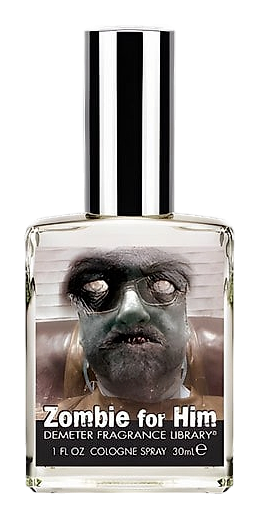
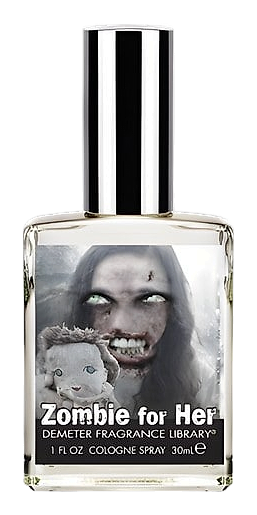
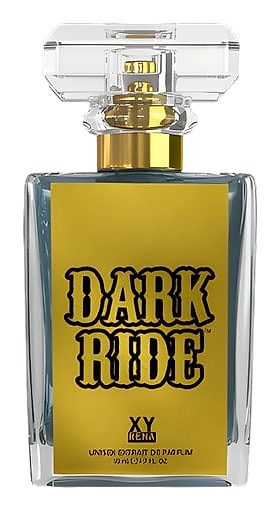
Fragrances featuring Mildew
Brands
Brands known for Mildew
Good to know
Questions, answered
The essentials on Mildew in perfumery: how it smells, where it comes from, and how it behaves on skin.
Is mildew used directly from mold in perfumery?
No. Mildew accords in perfumery come from synthetic compounds, primarily geosmin derivatives and alkylpyrazines. These molecules replicate the odor without using actual mold material, ensuring consistency and safety.
What fragrances feature mildew as a prominent note?
Several niche and designer fragrances incorporate mildew accords. It appears in atmospheric compositions like Serge Lutens Fille en Aiguilles and Comme des Garçons Series 3 Incense: Avignon, where it reinforces themes of aged spaces and weather.
What does mildew smell like in perfume?
Mildew in perfumery smells like damp earth, wet stone, and musty enclosed spaces. It carries a cool, slightly fungal character with undertones of petrichor and old wood. The effect is atmospheric and evocative rather than unpleasant.
Is mildew considered safe in fragrance formulations?
Yes, when produced synthetically and used within International Fragrance Association guidelines. These regulations establish maximum concentration limits and restrict compounds associated with sensitisation risks.
What compounds create the mildew odor profile?
Geosmin is the primary compound, responsible for the characteristic earthy, musty quality. Supporting compounds include 2-methylisoborneol, various alkylpyrazines, and indole derivatives, which together create the full mildew character.
How does mildew perform in fragrance composition?
Mildew compounds function as base notes with strong fixative properties. They add depth and atmospheric authenticity to compositions, particularly effective in fougère, chypre, and avant-garde fragrance families where they enhance realism.
Does natural mildew exist as a perfumery ingredient?
No commercial natural mildew ingredient exists. The note always requires synthetic reproduction because natural sources like moldy materials produce inconsistent results and pose contamination risks. Synthetic production ensures purity and predictability.
How do perfumers pair mildew with other ingredients?
Mildew combines effectively with ozonic notes, vetiver, patchouli, and oakmoss to reinforce its damp, earthy character. It also works with leather and tobacco materials to suggest aged interiors, or with green notes to evoke rain-soaked vegetation.