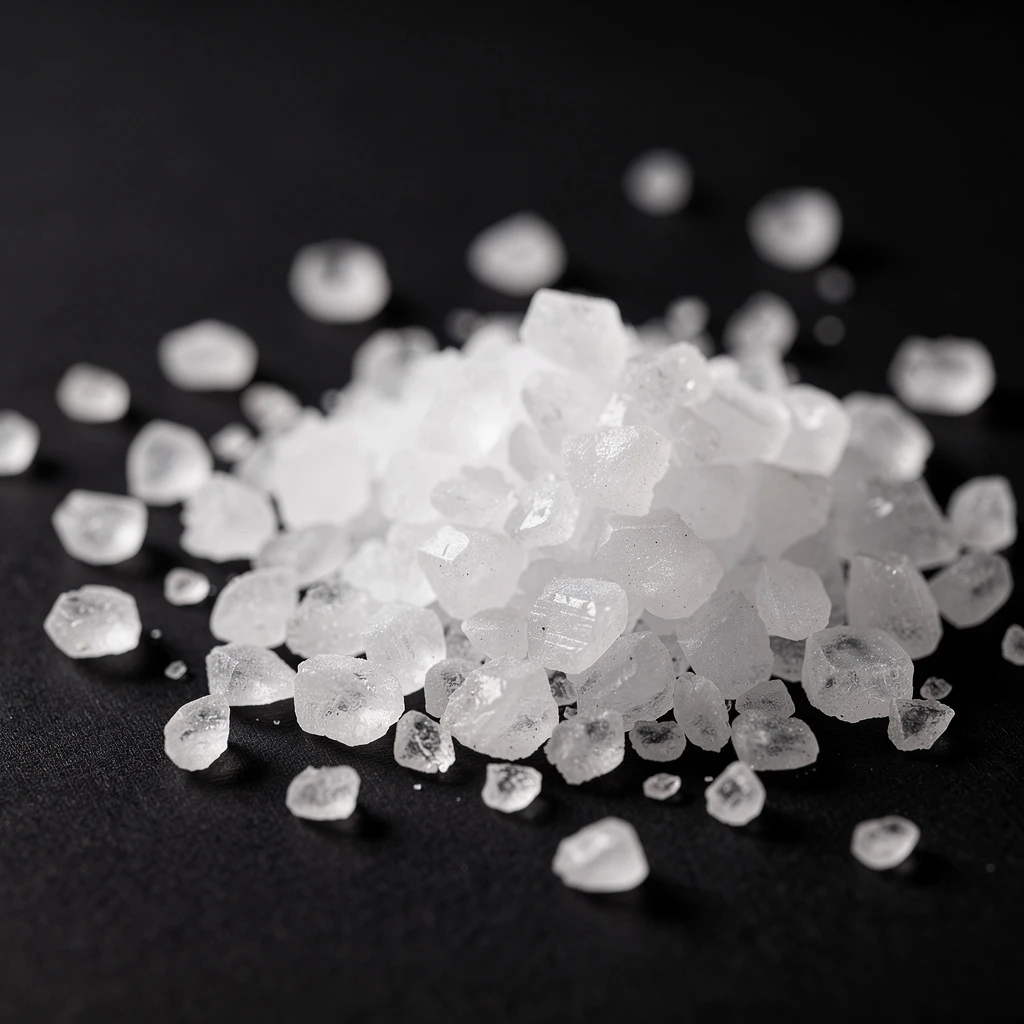
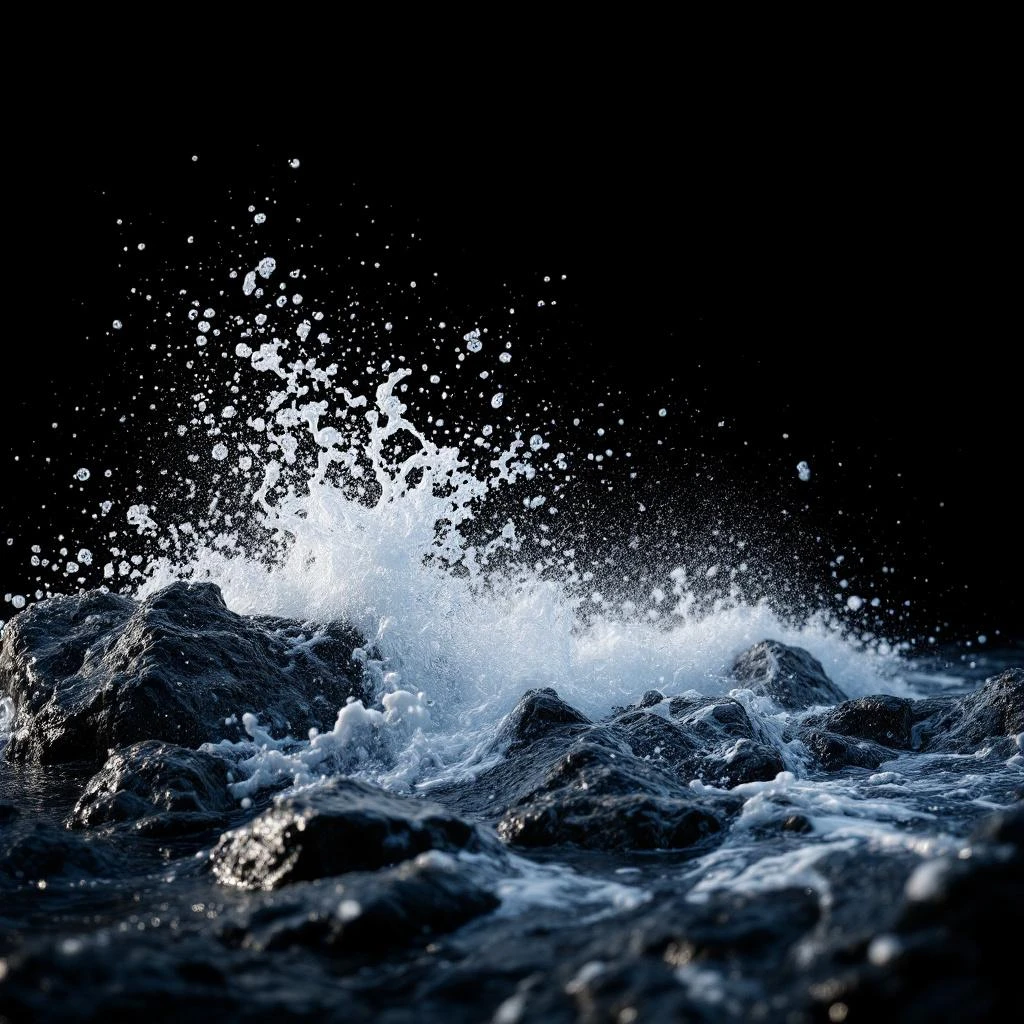
Chlorinated Water
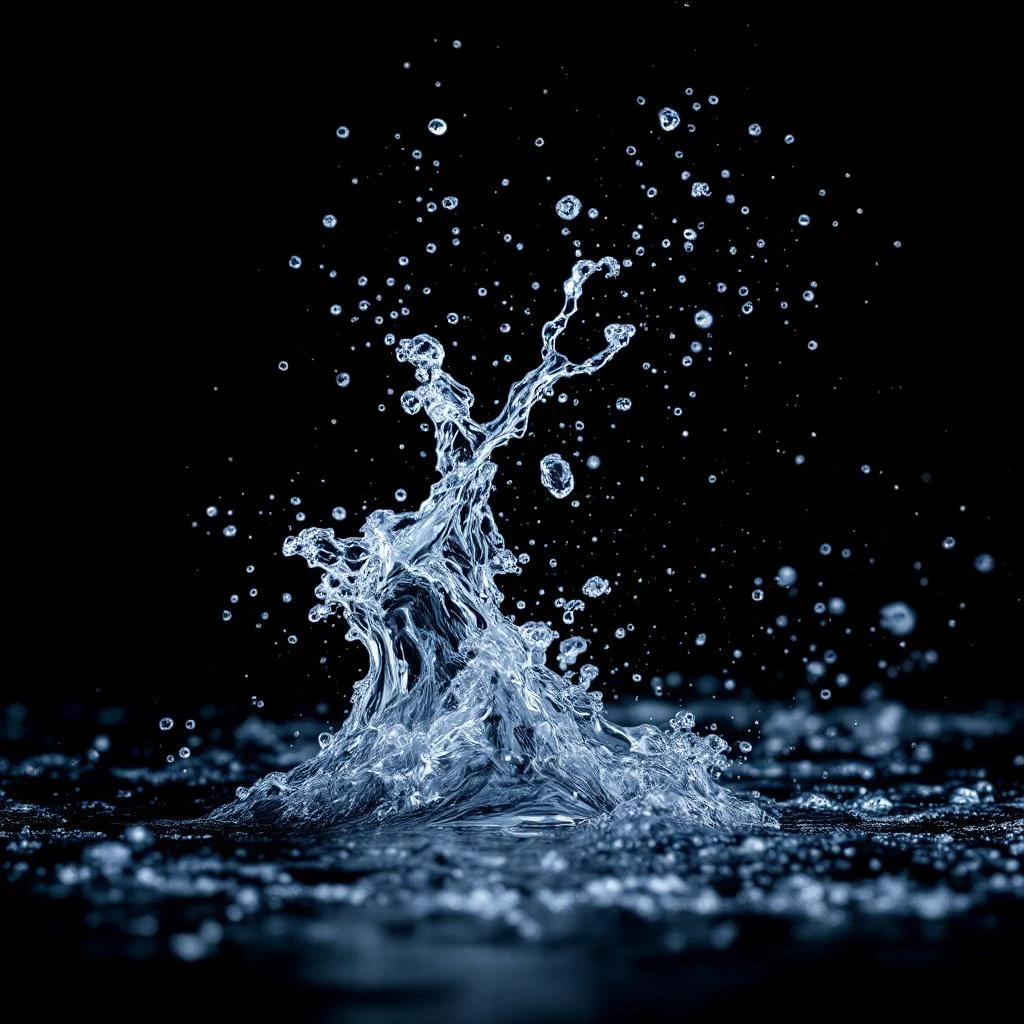
Chlorinated Water captures the crisp, crystalline freshness of treated aquatic environments. Perfumers employ this synthetic aromatic to evoke the clean, mineral-edged scent of swimming pools and rain-washed air, adding a modern aquatic dimension to fragrance compositions.
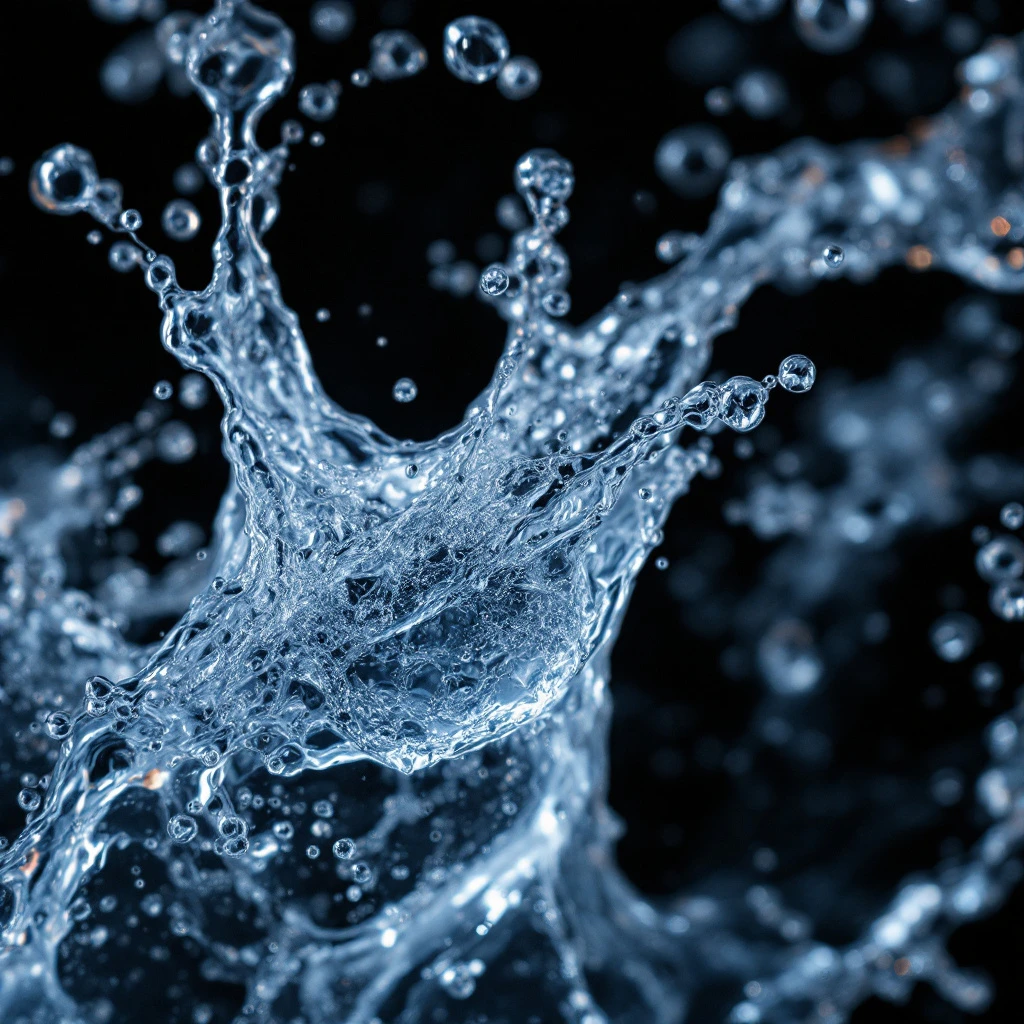
Character
How it smells
The crisp clarity of treated water, captured in a bottle.
The aquatic trend in perfumery emerged in the late 1980s, transforming how fragrances could smell like water itself.






Origin
France
The concept of water as a perfumery ingredient took hold during the late 20th century, when perfumers began exploring how to bottle the essence of aquatic environments. Traditional perfumery had long worked with rose, jasmine, and sandalwood, but modern fragrance houses sought new territory.
The smell of chlorinated pools had become so culturally ubiquitous by the 1980s that it entered the perfumer's palette as a reference point for freshness. Aquatic fragrances exploded in popularity following the success of innovative compositions in the 1990s, fundamentally changing how consumers perceived clean, fresh, and modern scents.
Wears it best
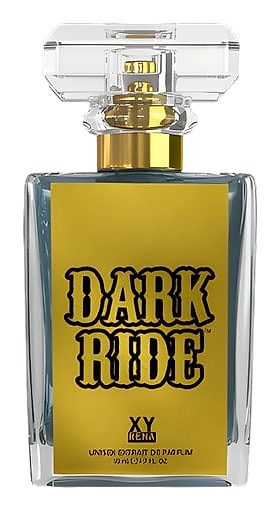
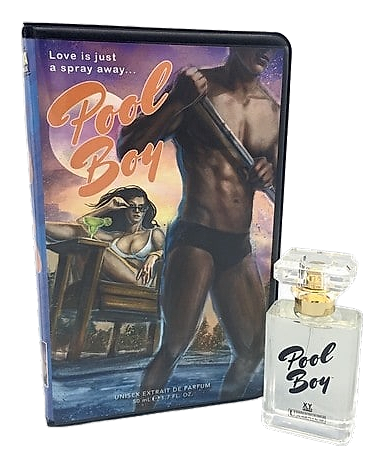
Fragrances featuring Chlorinated Water
Brands
Brands known for Chlorinated Water
Good to know
Questions, answered
The essentials on Chlorinated Water in perfumery: how it smells, where it comes from, and how it behaves on skin.
Is Chlorinated Water a natural ingredient?
No, Chlorinated Water is entirely synthetic. Perfumers developed this aromatic compound in laboratories during the modern aquatic fragrance movement to capture the distinctive scent of treated water.
What does Chlorinated Water smell like?
Chlorinated Water delivers a sharp, clean, mineral-fresh scent with subtle medicinal undertones. It evokes the crisp aroma of swimming pools and recently fallen rain on concrete.
Which fragrances commonly use Chlorinated Water?
Aquatic and fresh fragrance families frequently incorporate Chlorinated Water compounds. Many modern perfumes designed to smell like the ocean, rain, or fresh air utilize these synthetic aromatics.
How does Chlorinated Water differ from natural aquatic notes?
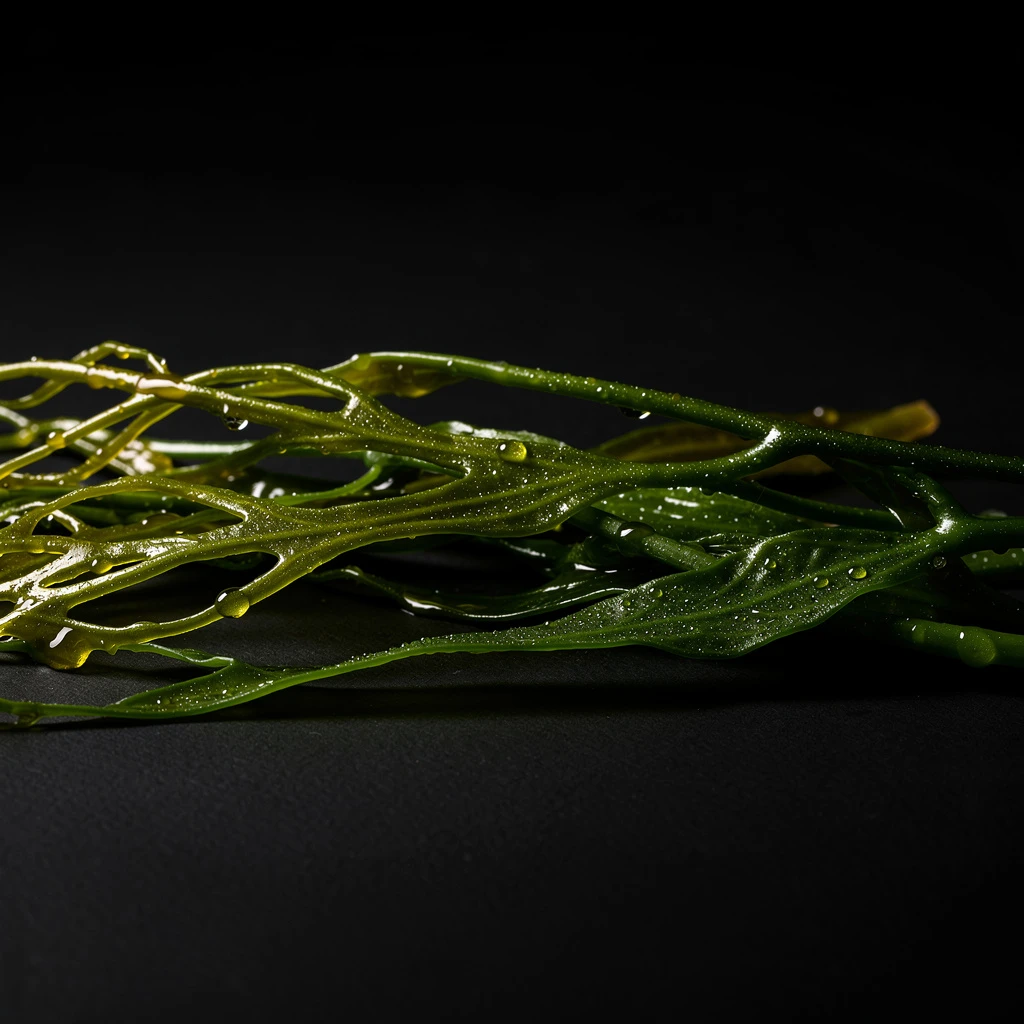
Natural aquatic notes come from seaweed or marine botanicals. Chlorinated Water is a synthetic construct designed specifically to evoke the smell of human-made treated water environments.
Is Chlorinated Water safe for skin application?
When properly formulated within International Fragrance Association guidelines, Chlorinated Water compounds are considered safe for use in consumer cosmetics and fine fragrances at regulated concentrations.
Can Chlorinated Water be combined with other aquatic ingredients?
Perfumers routinely blend Chlorinated Water compounds with Calone, marine algae extracts, and ozonic aromatics to build complex, layered aquatic fragrance compositions.
When did aquatic fragrances first appear?
The aquatic fragrance category emerged in the late 1980s and gained mainstream popularity during the 1990s, fundamentally reshaping the perfumery industry and consumer expectations of fresh scents.
Does Chlorinated Water leave a strong scent trail?
Chlorinated Water typically functions as a top or heart note, providing initial freshness and clarity. Its sillage is moderate, supporting rather than dominating a fragrance composition.