The Story
Why it exists.
The beginning
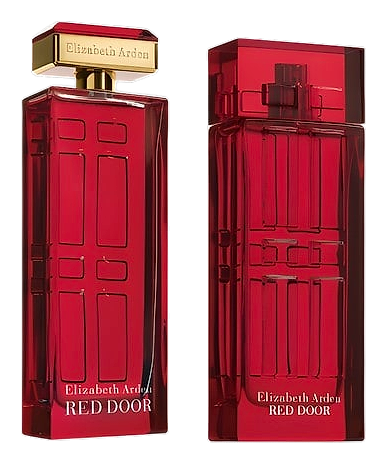
Elizabeth Arden's red door opened in 1910, and it became an American symbol, the idea that a woman could remake herself, invest in her own power, walk through that door and become someone. A century later, the brand marked one hundred years with a limited edition of its most iconic fragrance. Claire Cain Miller composed Red Door Limited Edition in 2011, placing it squarely in the house's heritage. The notes, freesia, lily of the valley, wild violet at the top; Moroccan rose, orange blossom, jasmine, ylang-ylang at the heart; white honey, oakmoss, sandalwood to finish, these were the architecture of the original Red Door formula from 1989. No reinterpretation. No reinvention. Just the house taking stock of what already worked and saying it again, in a red bottle worth keeping. The flanker marked the centennial with ceremony. A new bottle, the same scent DNA. If you knew the original, you recognized it immediately.
The note structure is what makes this work. The top trio, freesia, lily of the valley, violet, is green-floral without being sharp or medicinal. It opens clean but not cold, a crispness that immediately signals elegance rather than playfulness. The heart is where Red Door earns its name. Rose leads, but it's not a solitary rose, jasmine and ylang-ylang bring tropical warmth, and African orange flower adds a waxy, almost indolic brightness that keeps the florals from feeling powdery or old. The honey in the base is the connective tissue. White honey doesn't read as sweet in the way that, say, an accord of honey and musk might. It reads as warm, golden, close to skin.
The evolution
The opening announces itself without apology. Freesia cuts through first, cool and immediate, followed by lily of the valley and violet arriving in quick succession. The violet has a slight powderiness that keeps the top from feeling too green. Within the first ten to fifteen minutes, the top notes begin their quiet exit and the heart starts to bloom. The heart is where Red Door becomes itself. Moroccan rose rises, bold and unapologetic, while jasmine and ylang-ylang layer in their creamier, more tropical florals. African orange flower gives the heart a waxy brightness, a slight indolic quality that keeps everything grounded in something real. The handoff from top to heart is graceful, not abrupt. The florals don't disappear; they evolve. The drydown settles into white honey and sandalwood, staying warm and close to the skin for eight to ten hours on most skin types. Oakmoss finishes the base with a powdery, mossy depth that rounds out the composition. The sillage is strong in the opening and heart phases, then softens into something intimate.
Cultural impact
Red Door Limited Edition arrived in 2011 as Elizabeth Arden marked its centennial, a house taking stock of its own history rather than chasing trends. The original Red Door formula from 1989 had already proven its longevity, and this edition gave it a moment of ceremony. For wearers who remember the original, the limited edition offers a chance to revisit something that felt like an era. For those discovering it later, it reads as a classic, a white floral built on honey and sandalwood that doesn't announce itself to be heard.