The Story
Why it exists.
The beginning
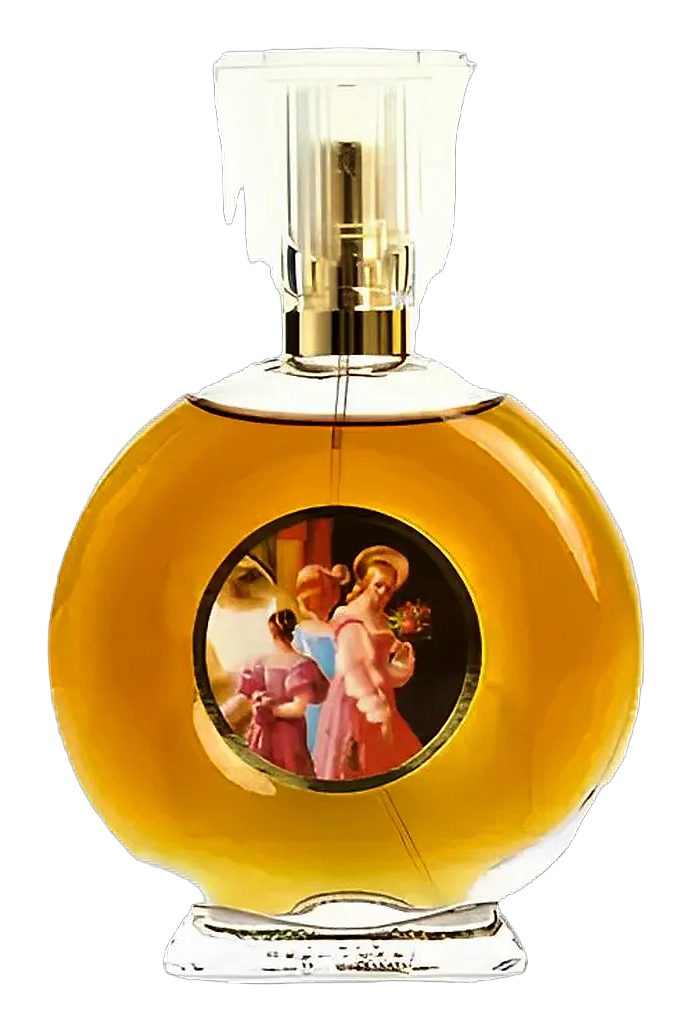
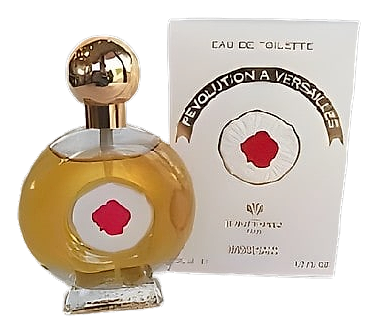
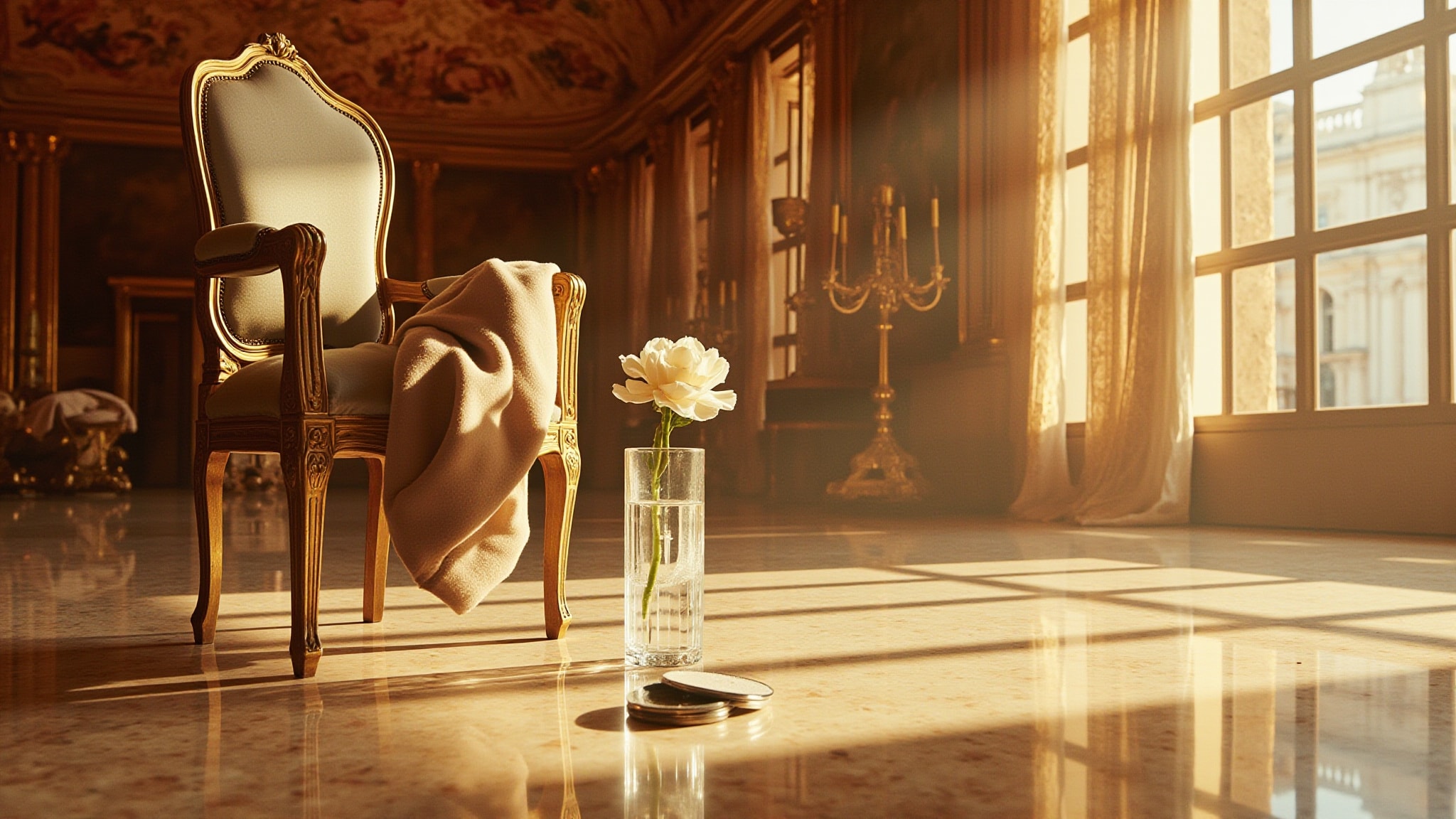
The name is the brief. Revolution à Versailles, 1989, 200 years after the world it invokes. Richard Ibanez built this around a paradox: the Palace's baroque excess against the uprising that dismantled it. Sweet against sharp. Floral abundance against something darker underneath. The scent doesn't pick a side. It holds both.
The white florals are the statement. Frangipani and tuberose lead a heart that doesn't negotiate on richness. Jasmine, gardenia, rose, they layer without apology. But the plum at the opening keeps things grounded in fruit, not just fantasy. And beneath the warmth of cinnamon and vanilla, there's a powdery coolness that reads almost classical. This is what happens when opulence has nowhere left to go.
The evolution
The opening lasts maybe fifteen minutes before the florals take over entirely. Tuberose and gardenia bloom simultaneously, heady, humid, like stepping into a greenhouse at noon. The jasmine appears briefly, then gets swallowed. Rose is the quiet one, holding back until the middle phase when the vanilla and sandalwood arrive to soften everything. By hour four, the drydown is warm wood and musk, intimate and close to the skin. Eight to ten hours total on most people.
Cultural impact
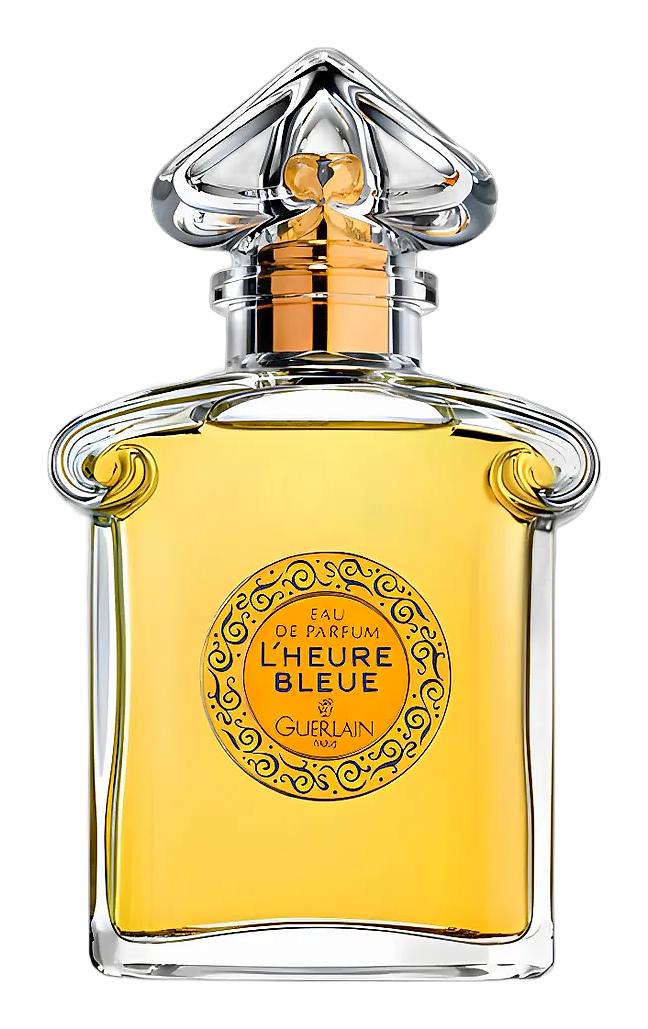
This sits alongside Guerlain Nahema and Parure, the maximalist white floral orientals of the late 20th century. Bold work, unapologetically glamorous, made for someone who wanted a fragrance to arrive before she did. It never found a broad American audience. Perhaps that was inevitable. The ones who know it, collect it.