The Story
Why it exists.
The beginning
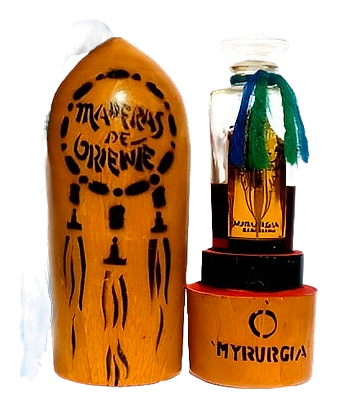
Maderas de Oriente arrived in 1918. The name translates to Woods of the Orient, and there's nothing subtle about what it promises. An oriental built on real, weighty materials at a moment when perfumery was reaching for something denser and more deliberate. Myrurgia presented this as a composition meant to be remembered, not slipped into a daily routine and forgotten. The fragrance announced itself with the confidence of a house that knew exactly what it was doing. Materials were dosed generously, the structure was deliberate, and the extrait format carried the kind of presence that turned a room before you spoke. It was built to linger in memory long after the wearer had left.
The composition leans into materials that were considered luxury in 1918, starting with real sandalwood at the foundation. Ambergris lends its saline, animalic warmth, the kind of note that grounds an oriental and gives it breath. What makes Maderas de Oriente distinctive is its commitment to the category it names. The woods aren't buried under competing florals or clever modern shortcuts. They lead, they dominate, they stay. The composition wears its oriental identity openly, the way certain fragrances from this era did before restraint became the prevailing aesthetic.
The evolution
The first minutes are bright and almost disorienting. Orange blossom and bergamot lift at the surface, with coriander threading a green, peppery flicker through the citrus. The opening feels alive, almost fizzy, the kind of brightness that pulls you forward rather than announcing itself politely. Then the transition begins, and the composition pivots. The florals gather and warm, and the spices start to settle in alongside them. The brightness doesn't vanish so much as fold itself into something rounder, heavier, more deliberate. After the first hour, the woods arrive in full. Sandalwood takes the lead, creamy and dense, the backbone of the whole structure. What comes after is pure base territory, warm wood and resin hovering close to the skin. Hours later, the fragrance retreats gracefully, leaving a trail of soft amber and wood that clings to fabric and memory alike.
Cultural impact
Maderas de Oriente sits in a category of its own. Not vintage for nostalgia's sake, but a working composition from an era when extrait meant something specific and fragrances were built to last through an evening without checking for reapplication. The fragrance never achieved the kind of global fame reserved for the most advertised launches of the 20th century, but among those who know it, the loyalty runs deep. Vintage bottles still surface through secondary channels, and finding one feels less like a purchase and more like a small rescue mission.