The Story
Why it exists.
The beginning
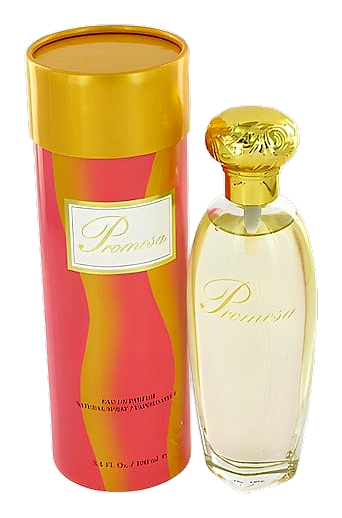
Ramon Monegal created Promesa in 1917, one year into the Great War that was reshaping Europe. A promise, in Spanish, carries weight, it is a commitment, a word given and meant. In a year when the world was breaking its own promises, Monegal held to the older ones: the promise of craft, of materials that meant something, of a scent that would outlast the moment that made it. The fragrance was designed as precisely that, something to keep, not to chase.
What makes Promesa interesting is its restraint. The rose note is central but never showy, it opens green and mineral, not sweet, and settles into a powdery softness that feels more like memory than performance. The supporting florals (lily-of-the-valley, jasmine) add structure without crowding the composition. The base, sandalwood, cedar, musk, amber, gives the fragrance its staying power, creating a drydown that feels like warmth rather than presence. This is not a fragrance that shouts. It whispers, and it lasts.
The evolution
The opening is the promise itself, rose with a green, almost herbal edge, brightened by bergamot and the clean sharpness of green tea. It reads fresh and intentional, like the first hour of a morning you've been looking forward to. Within thirty minutes the florals take over: lily-of-the-valley and jasmine weave into the rose, softening it, turning it powdery. The citrus fades, and you're left with something that smells like the idea of a garden, curated, quiet, still. The base arrives slowly. Cedar first, then sandalwood grounding the florals. Musk and amber lift the drydown into something warm and close, the kind of smell that clings to skin, to collar, to the inside of a coat. Six to eight hours on most skin, moderate sillage, intimate projection. The next morning, there's a faint trace on the wrist, skin-warm, resolved, keeping its word.
Cultural impact
Promesa has outlasted trends, bottles, and most fragrances from its era. It survives in part because it was designed to, the composition is built for longevity, the materials were chosen to last, and the character is quiet enough to avoid the dated register that claims so many period pieces. Wearers who find it tend to keep it.