The Story
Why it exists.
The beginning
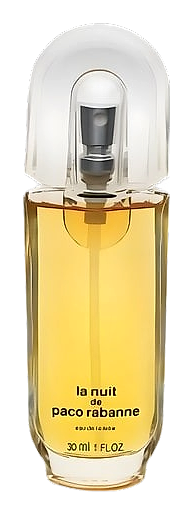
La Nuit arrived in 1985 from perfumer Jean Guichard, a woman who wanted something that meant something. The brief wasn't for another sweet floral. It was for a chypre that could hold its own against anything in the room. Guichard built it from citrus oils and artemisia that cut sharp and clean, giving the fragrance its initial structure. Then the honey arrived, connecting the opening to something warmer, something that could last. The fragrance moves from that crisp beginning into a honeyed heart that brings weight and presence. Rose and jasmine follow, arriving in sequence rather than all at once. The civet adds depth, an animalic edge that balances the sweetness of the florals. La Nuit is bold enough to command attention, confident enough to divide opinion.
La Nuit is built differently. The citrus opens, the honey warms, the leather anchors. The civet doesn't compete with the florals, it waits for them. This architectural approach translates into a fragrance that unfolds with intention. Each phase builds on what came before, creating something that feels more cohesive than fragmented. The white honey brings a syrupy warmth that spreads across the skin, while the leather provides a grounding base that keeps everything connected. The civet arrives later than expected, adding depth without overwhelming the florals that came before it.
The evolution
The first twenty minutes belong to citrus and green. Artemisia drives the opening with a bitter, aromatic edge, not quite lavender, not quite mint, but something sharper. Tangerine and bergamot layer on top, giving the green something bright to push against. It's the cleanest part of the fragrance. The most contained. Then the honey arrives. White, slightly syrupy, warming everything it touches. Rose and jasmine open in sequence, not simultaneously, but one after the other, like guests arriving at different times. The peach adds a softness that could tip into sweetness, but the civet keeps pulling it back. That's where the real story lives: in the negotiation between warmth and animalic edge. The drydown takes its time, and it's worth the wait. Leather and patchouli anchor everything that came before.
Cultural impact
La Nuit has maintained its presence since 1985, still discussed, still worn, still relevant. It's the kind of fragrance people seek out after trying modern releases and wanting something with more weight. The combination of animalic civet with classic chypre structure gives it a character that's difficult to find in contemporary perfumery. The fragrance opens with citrus and artemisia cutting sharp and clean, establishing its initial structure before honey introduces warmth and lasting power.