    Home/Brands/Myrurgia
    Brand Profile

    Myrurgia

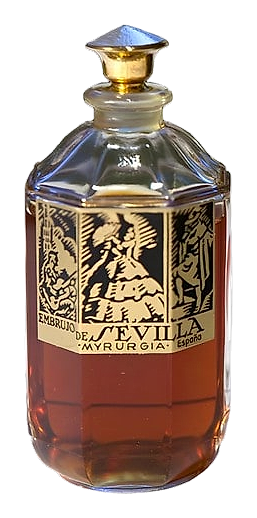
    Myrurgia is a Barcelona‑based fragrance house that has been crafting scented experiences for more than a century. Founded in 1916 by the Catalan Monegal family, the label grew from a modest workshop into a producer of fine perfumes, soaps and cosmetics. Its catalogue includes historic scents such as Lavanda (1916) and Embrujo de Sevilla (1933), alongside later icons like Hidalgo (1971) and Oasis (1980). Today Myrurgia sits within the Puig portfolio, yet it retains the quiet confidence of a family‑run atelier that values material integrity and quiet elegance.

    SpainEst. 1916
    1
    Fragrances
    3.3
    Avg rating
    Shop the collection
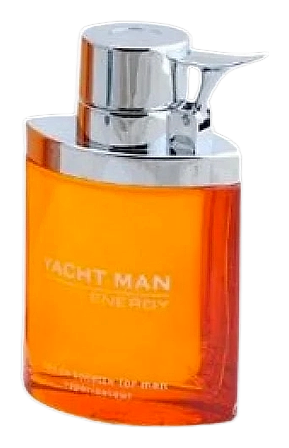
    SignatureYacht Man Energy
    Yacht Man Energy
    Community
    3.3
    Average rating
    across 1 fragrances
    Collection
    1
    Fragrances and counting
    Heritage
    1916
    Founded in Spain

    Most loved

    Bestsellers from Myrurgia

    Yacht Man Energy by Myrurgia
    Myrurgia
    Yacht Man Energy
    3.3
    Compare prices
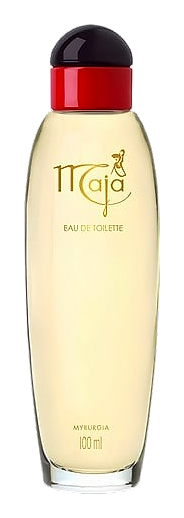
    Coming soonMaja by Myrurgia
    Myrurgia
    Maja
    4.1
    Coming soon
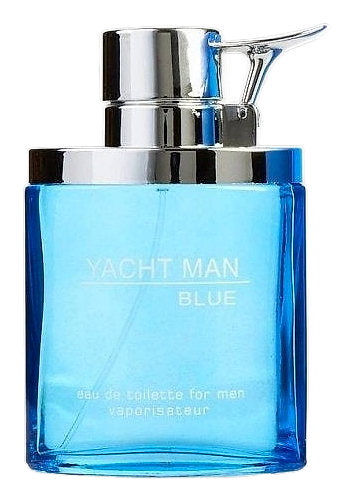
    Coming soonYacht Man Blue by Myrurgia
    Myrurgia
    Yacht Man Blue
    3.5
    Coming soon
    Coming soon1916 by Myrurgia
    Myrurgia
    1916
    4.3
    Coming soon
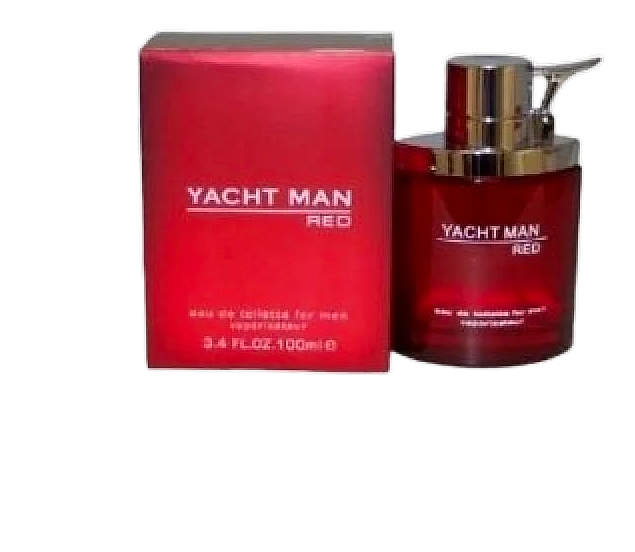
    Coming soonYacht Man Red by Myrurgia
    Myrurgia
    Yacht Man Red
    3.5
    Coming soon
    Coming soonYacht Man Chocolate by Myrurgia
    Myrurgia
    Yacht Man Chocolate
    3.5
    Coming soon
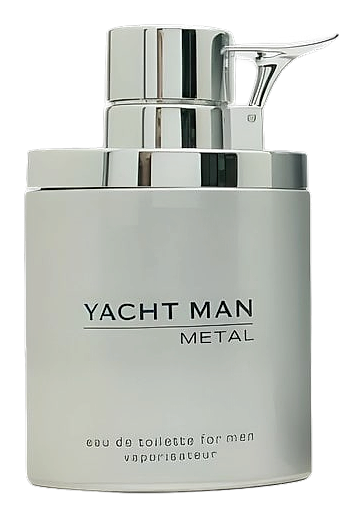
    Coming soonYacht Man Metal by Myrurgia
    Myrurgia
    Yacht Man Metal
    3.8
    Coming soon
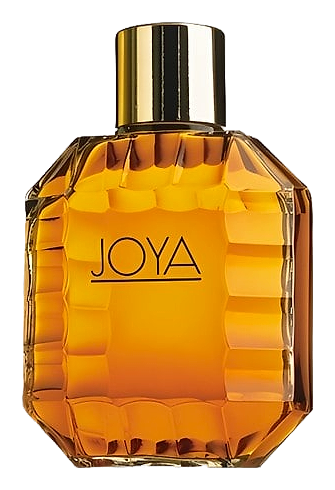
    Coming soonJoya by Myrurgia
    Myrurgia
    Joya
    4.2
    Coming soon
    Coming soonVorago by Myrurgia
    Myrurgia
    Vorago
    3.9
    Coming soon
    Coming soonAlada by Myrurgia
    Myrurgia
    Alada
    4.1
    Coming soon
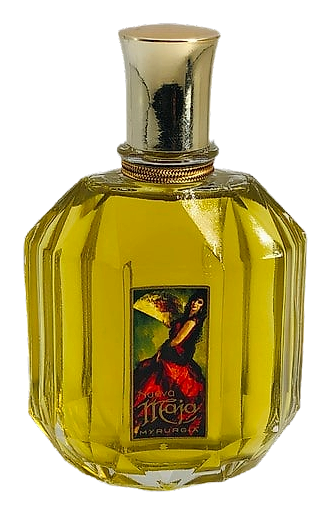
    Coming soonNueva Maja by Myrurgia
    Myrurgia
    Nueva Maja
    4.2
    Coming soon
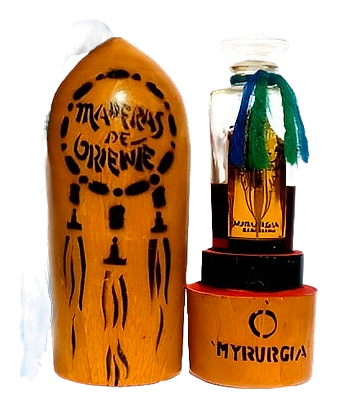
    Coming soonMaderas de Oriente by Myrurgia
    Myrurgia
    Maderas de Oriente
    4.5
    Coming soon

    Fresh in

    New from the house

    Yacht Man Energy by Myrurgia
    Myrurgia
    Yacht Man Energy
    3.3
    Compare prices
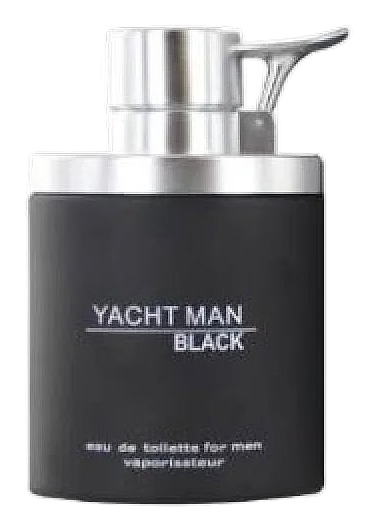
    Coming soonYacht Man Black by Myrurgia
    Myrurgia
    Yacht Man Black
    3.2
    Coming soon
    Coming soonYacht Man Metal by Myrurgia
    Myrurgia
    Yacht Man Metal
    3.8
    Coming soon
    Coming soonYacht Man Dark by Myrurgia
    Myrurgia
    Yacht Man Dark
    3.6
    Coming soon
    Coming soonYacht Man Red by Myrurgia
    Myrurgia
    Yacht Man Red
    3.5
    Coming soon
    Coming soonPromesa de Amor by Myrurgia
    Myrurgia
    Promesa de Amor
    3.0
    Coming soon
    Coming soonYacht Man Esencia by Myrurgia
    Myrurgia
    Yacht Man Esencia
    3.7
    Coming soon
    Coming soonYacht Man Blue by Myrurgia
    Myrurgia
    Yacht Man Blue
    3.5
    Coming soon
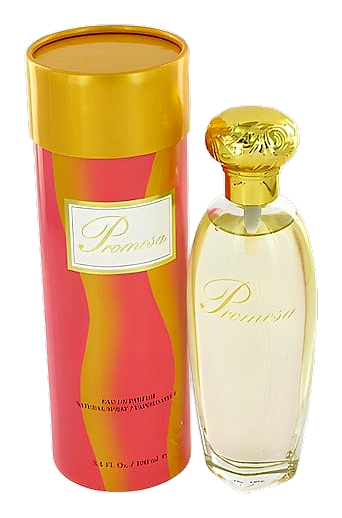
    Coming soonPromesa by Myrurgia
    Myrurgia
    Promesa
    3.7
    Coming soon
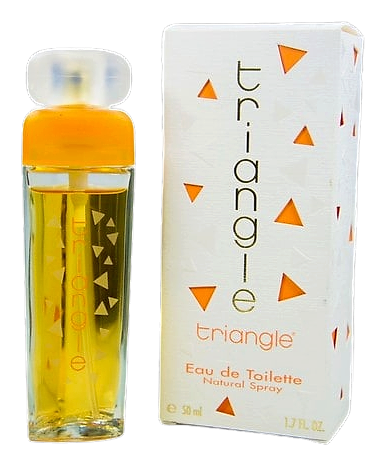
    Coming soonTriangle by Myrurgia
    Myrurgia
    Triangle
    4.1
    Coming soon
    Coming soonKimochi by Myrurgia
    Myrurgia
    Kimochi
    3.8
    Coming soon
    Coming soonRoyal Green by Seve Ballesteros by Myrurgia
    Myrurgia
    Royal Green by Seve Ballesteros
    4.6
    Coming soon

    Heritage

    A house, in its own words

    The story of Myrurgia begins in 1916 when Raymon Monegal, a chemical industrialist from Barcelona, supplied the capital and marketing acumen that launched the family’s scent venture. Early on the house offered a range of toiletries, positioning itself as a regional source of quality fragrance and soap. In the late 1920s the company commissioned architect Antoni Puig Gairalt to design a new production facility; construction ran from 1928 to 1930 and the building still stands as a celebrated example of Rationalist industrial architecture in Catalonia. The 1930s saw Myrurgia release several memorable perfumes, including Embrujo de Sevilla (1933) and Jungla (1933), which found modest success in both Spanish and French markets. The brand survived the turbulence of the Spanish Civil War, maintaining limited output while preserving its core formulas. Post‑war expansion introduced new olfactory signatures such as Hidalgo (1971) and the tropical Oasis (1980), reflecting a shift toward more adventurous compositions. In 2000 the Spanish beauty conglomerate Puig acquired Myrurgia, integrating the historic house into a larger portfolio while allowing it to continue producing under its own name. Throughout its evolution, Myrurgia has balanced heritage with measured innovation, keeping a focus on craftsmanship rather than headline‑grabbing campaigns.

    Myrurgia approaches scent as a dialogue between material truth and memory. The house believes that a perfume should reveal its ingredients gradually, inviting the wearer to trace the journey from top note to base. It respects the legacy of early 20th‑century Spanish perfumery, yet it does not cling to nostalgia; instead, it lets each new creation emerge from a clear brief that prioritises balance, longevity and a sense of place. Sustainability informs the brand’s decisions, prompting the use of responsibly sourced botanicals whenever possible. Myrurgia also values discretion: it avoids overt branding in favor of subtle storytelling, allowing the fragrance itself to carry the narrative. The company encourages collectors to view a bottle as a personal archive, a tactile record of a moment in time rather than a status symbol.

    1916
    Myrurgia founded in Barcelona by the Monegal family, with Raymon Monegal providing capital and marketing expertise.
    1928-1930
    Construction of the Rationalist factory designed by architect Antoni Puig Gairalt, establishing a modern production hub.
    1933
    Release of Embrujo de Sevilla and Jungla, two fragrances that expanded the house’s presence in Spain and France.
    1971
    Launch of Hidalgo, marking the brand’s entry into the era of more complex, layered compositions.
    1980
    Introduction of Oasis, reflecting a shift toward tropical and exotic scent profiles.
    2000
    Acquisition by Puig, integrating Myrurgia into a larger beauty group while preserving its independent production line.

    The noses

    Perfumers behind the house

    Did you know?

    Interesting facts

    01

    The Myrurgia factory built between 1928 and 1930 is cited by architectural historians as a landmark of Rationalist industrial design in Catalonia.

    02

    Myrurgia’s original 1916 Lavanda fragrance used lavender harvested from the Provençal region, a practice that continues for the modern reinterpretation of the scent.

    03

    During the Spanish Civil War, the house reduced output but kept its core formulas alive, allowing post‑war relaunches without losing the original character of its classics.

    04

    The brand’s early bottles were crafted by local glassblowers who engraved the caps by hand, a technique that the house revived for limited‑edition releases in the 2010s.