The Story
Why it exists.
The beginning
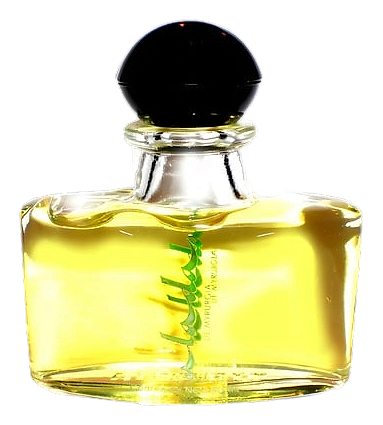
Alada is a fragrance from Myrurgia, a Spanish fragrance house. The composition opens with citrus notes that feel familiar at first, then transitions into something warmer, greener, and more animal in character. There's a distinctive tension in how the fragrance moves from its bright opening toward a richer heart. The contrast between the initial brightness and the deeper base creates an evolving experience that keeps the wearer engaged as the scent develops and settles into its final form on the skin.
What makes Alada structurally interesting is how it refuses symmetry. The citrus five-pack opens bright and tart, then the heart introduces carnation, a note that behaves differently on every skin. Russian leather surfaces in the drydown, adding an unexpected element. The musk anchors everything, but loosely. There's movement in the composition, a sense of things not quite settling. Oakmoss, cedar, ambergris, and myrrh build out the base, each note contributing its own character to what becomes a layered and persistent drydown.
The evolution
The first twenty minutes announce themselves clearly: lemon, lime, mandarin orange, a peach note that reads more nectar than fruit. The clary sage adds an herbal counter that prevents sweetness from taking over entirely. Then the hand-off, the carnation arrives with its spicy edge, jasmine follows, and suddenly you're in the heart of something with more weight. The cyclamen gives it a slightly metallic edge, green but not leafy. By hour three, the base takes over. Oakmoss and cedar emerge as the dominant notes, with the Russian leather making its presence known. Ambergris and myrrh add depth and a faint animal warmth. Musk holds everything close to the skin. The fragrance remains closer to the skin than projecting into the room, with a presence that can still be detected on fabric the next day.
Cultural impact
Alada exists in an interesting position: discontinued but not forgotten. For collectors of 1970s Spanish perfumery, it represents a particular moment when Myrurgia was building range and willing to use notes like carnation and Russian leather in a women's fragrance. The composition places it in the chypre tradition with its citrus opening and complex heart, offering a distinctive alternative to simpler floral fragrances of its era.