The Story
Why it exists.
The beginning
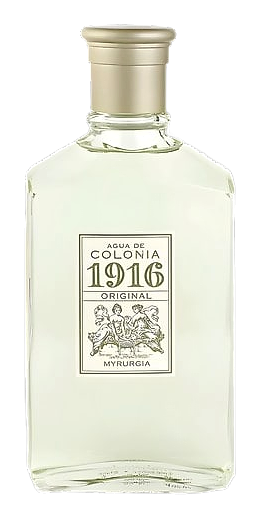
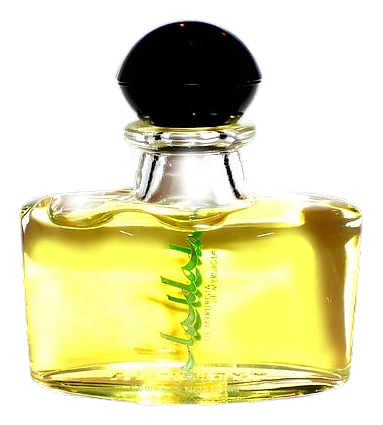
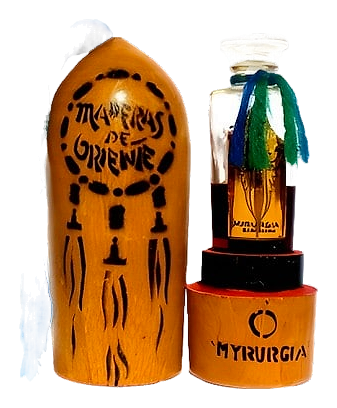
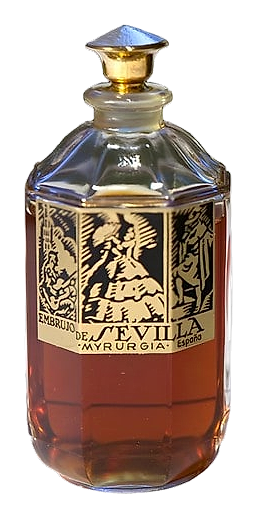
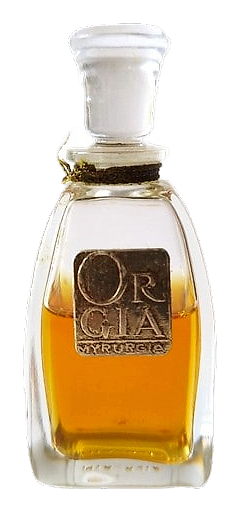
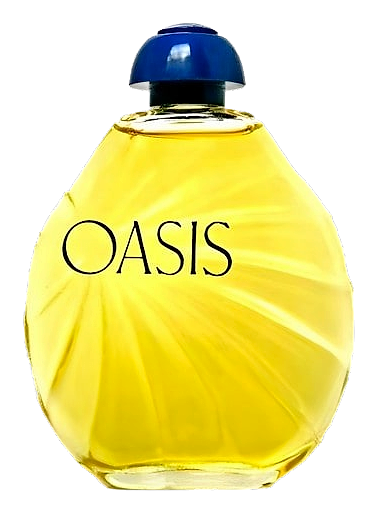
Oasis arrived in 1980 from Myrurgia, a Spanish perfumery house that had been quietly building its catalogue since 1916. By the time this composition reached release, the brand had already accumulated decades of work, a long conversation with materials, with skin, with what a fragrance could be when the goal wasn't spectacle but presence. Each release added something to that conversation, a new chapter in a house vocabulary that prized restraint and warmth over flash. Oasis belonged to a moment when the line was turning toward greener, more luminous territory, a shift in palette that opened up a different kind of lightness. It was made for women who wanted something that felt alive on the skin, something that moved through the hours rather than pinning the wearer to a single note.
What makes Oasis worth a second look is the contrast between its opening and its backbone. The top reads almost architectural, green leaves, bitter orange, bergamot, and a ribbon of Brazilian rosewood giving it a faintly cologne-like crispness. That first impression is sharp and clean, the kind of green that feels cut rather than wilted, carrying just enough bitterness to keep the sweetness honest. Then the heart pivots, nutmeg folding into jasmine and rose, adding a warm, almost edible glow that softens every edge the top notes set up.
The evolution
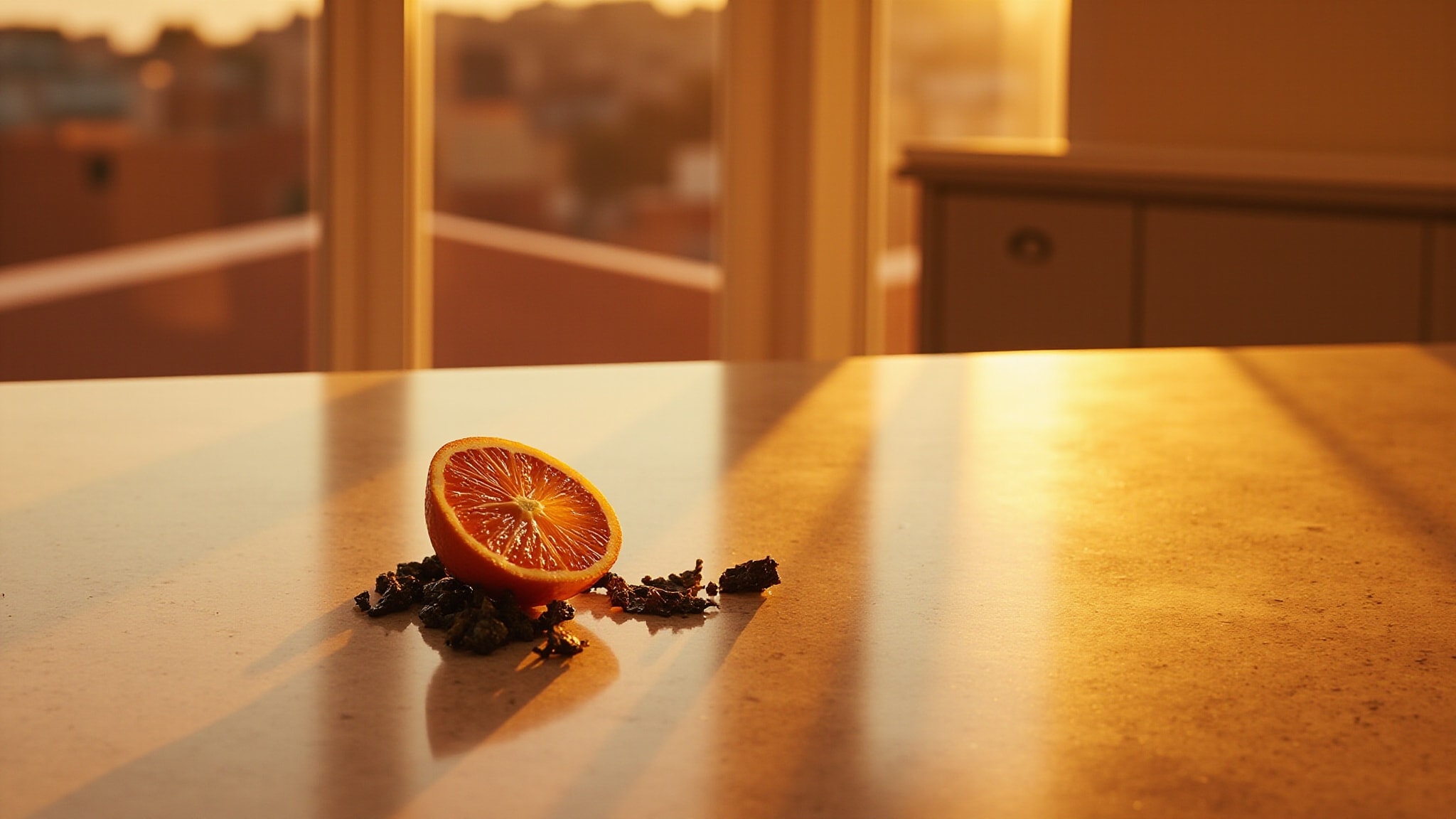
The first thirty minutes belong to the greens. Orange, bergamot, and a leafy snap cut through, with Brazilian rosewood lending a dry, almost pencil-shaving edge beneath the citrus. The interplay between the sharp citrus and the dusty wood creates an opening that feels both fresh and grounded, a brightness with backbone. Around the forty-minute mark, the composition shifts. The jasmine surfaces first, creamy and slightly indolic, followed by nutmeg's quiet warmth and a rose that leans more golden than jammy. The nutmeg acts as a bridge between the green top and the floral heart, its warmth pulling the coolness down into something more intimate. The heart stays for hours, a spiced floral that feels sun-warmed rather than sweet, a quality that comes from the balance between the soft jasmine and the spiced edges of the nutmeg. The drydown is where the composition reveals its staying power.
Cultural impact
Oasis occupies a particular corner of late-twentieth-century Spanish perfumery, a moment when green, luminous compositions were finding their footing alongside the richer, heavier scents that had long defined the broader market. Its citrus-spice-floral architecture reads as confident rather than nostalgic, a composition that holds up decades after its release. Wearers who find it tend to keep it: a green floral that doesn't apologize for its warmth, and a base that refuses to quit.