The Story
Why it exists.
The beginning
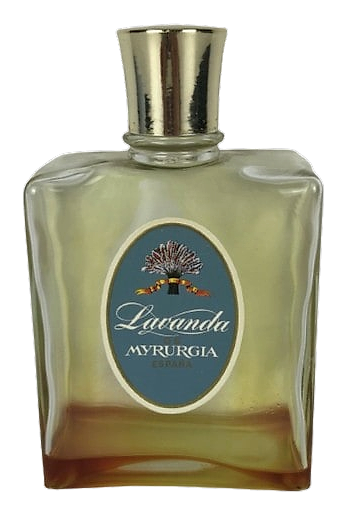
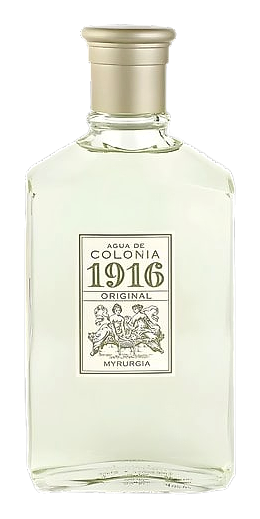
Myrurgia named this one for the year everything started. The house had been producing fragrances out of Barcelona for decades by the time 1916 was released in 1982, and the bottle sat in a catalogue that already included Embrujo de Sevilla and Hidalgo. 1916 was a different kind of offering: a cologne in the truest sense, built on the kind of citrus-aromatic structure that defined the genre before heavy orientals took over the decade. It reads less like a statement perfume and more like a house signature, a quiet return to the clean Mediterranean tradition the perfumers behind it knew intimately. Four notes do the entire job: lemon, bergamot, rosemary, orange blossom. No mystery, no performance anxiety.
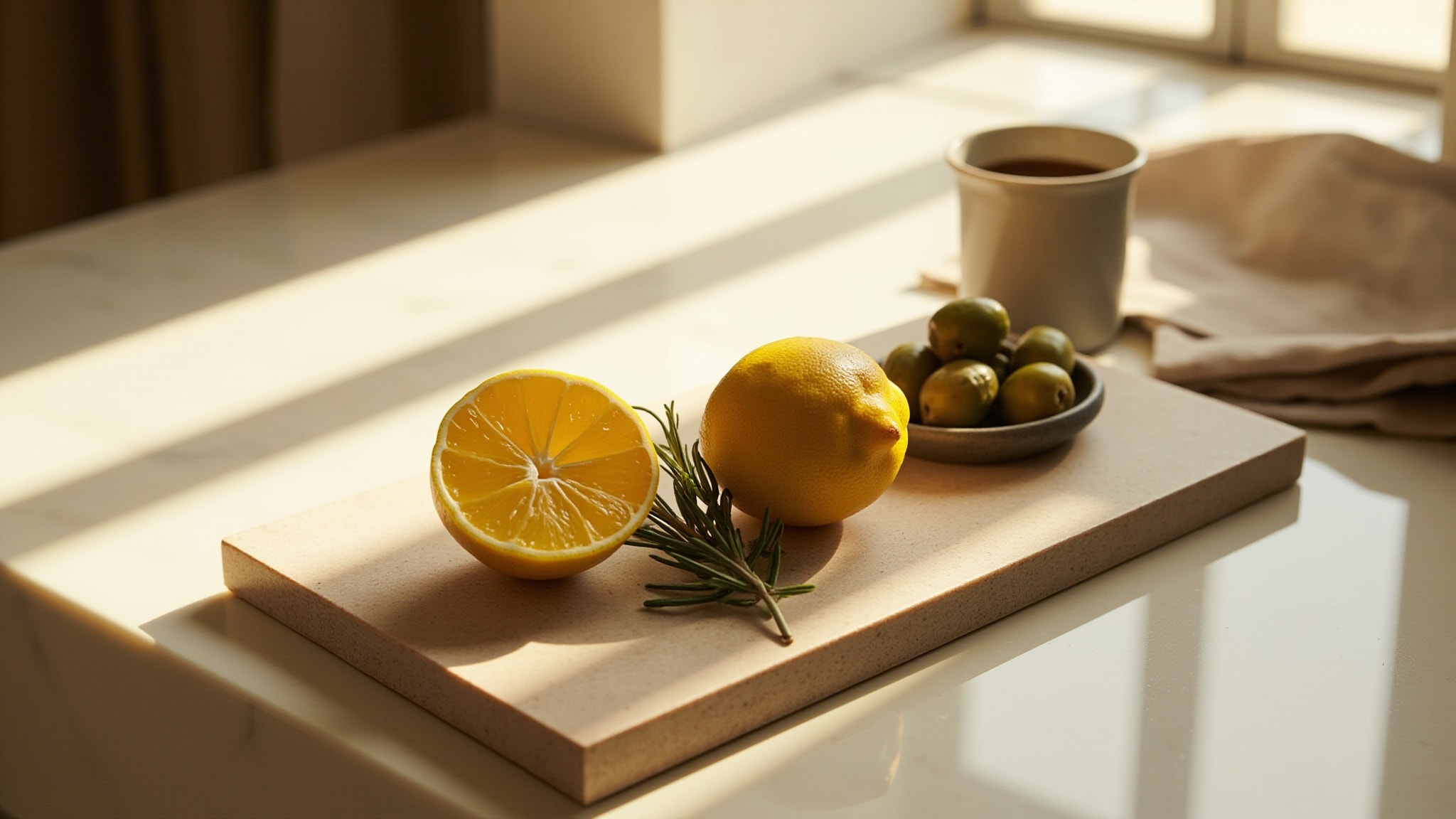
What makes the composition work is its refusal to add anything. Lemon and bergamot give the immediate lift, the bright snap that makes a cologne feel alive on skin. Rosemary threads through the top and the heart, pulling green and slightly medicinal, the way a kitchen smells when someone is cooking with intention. Orange blossom is the softener, the only concession to anything floral, and it sits just low enough to keep the whole thing from tipping into sharp. The accords confirm it: citrus, aromatic, fresh spicy, white floral, with woody undertones that show up more on fabric than on skin.
The evolution
The first five minutes are the loudest it gets. Lemon and bergamot arrive together, almost aggressive in their brightness, like the scent of peel just torn from the fruit. Within ten minutes the rosemary settles in, and the whole thing shifts from citrus-clean to something greener, more herbal, with a cooling quality that feels like walking past a garden wall in summer. The orange blossom shows up around the twenty-minute mark, barely-there, a softness under the herbs that keeps the composition from feeling austere. By the first hour, most of it is gone. What remains is a clean, soapy trace on the inner wrist and the collar, the ghost of rosemary more than anything else. On fabric, the drydown lingers longer: a faint lemon-resin shadow that survives until the next wash. This is not a fragrance that rewards patience. It is a cologne that does its job and leaves.
Cultural impact
1916 is the kind of cologne that doesn't need a story told about it. It exists in the long Mediterranean tradition of citrus-aromatics, and it wears in that company without trying to outshine anyone. Wearers reach for it when they want clean, not conversation. It suits hot weather, post-shower rituals, the kind of morning where ambition starts with a glass of cold water and a linen shirt. There is nothing performative about it, and that is exactly the point.