The Story
Why it exists.
The beginning
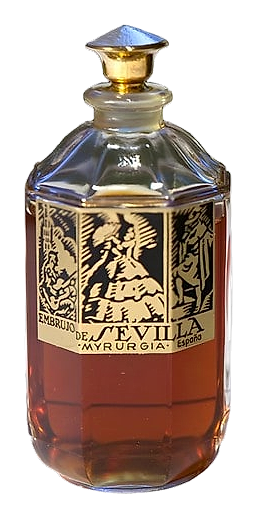
Jungla landed in 1933, the same year Myrurgia released Embrujo de Sevilla. The name means jungle in Spanish, but the composition reads more like a midnight bazaar than a tropical canopy. A dense swirl of spice and powder, it opens with something almost citrus-edged, then drops quickly into a warm, resinous haze. There's an animalic murmur beneath it all, a low hum that gives the fragrance its weight and keeps the sweetness from tipping into the cloying. Where a true jungle scent might offer green, dewy, and bright, Jungla goes the other direction entirely, toward shadow, warmth, and the dust of a crowded market lit by lantern light.
The oriental accord here is built on a triad of warmth. Spicy, ambery, musky. These three notes lean into each other in a way that gives Jungla its particular density. The spice is dry and almost peppery at first, then melts into the amber until the line between them blurs. The musk sits underneath everything, animalic without ever crossing into anything truly feral, lending a skin-like quality that makes the whole composition feel like it's breathing. The powder softens the edges, dusting over the sharper notes and pulling the warmth into something more intimate.
The evolution
The first 15 minutes read bright and almost citrus-spiced, the kind of spark that makes you check your wrist in surprise. The cinnamon-and-clove warmth hits fast, but there's a lift underneath it, something almost aldehydic that keeps the opening from collapsing into weight. By the 30-minute mark the spice has settled into something warmer, and that powder note begins to coat everything like fine dust on dark wood. You can still catch flickers of the brighter opening, but they're being slowly absorbed into the amber undertow. Past the two-hour mark the amber takes command. Deep, resinous, warm. The musky animalic edge has become more pronounced, giving the scent a slightly lived-in feel that's more intimate than aggressive. It reads like skin at this point, something that has settled into you rather than sitting on top.
Cultural impact
It's not a household name, and it doesn't pretend to be. Those who know it tend to keep the discovery to themselves, which has become part of its appeal. The powdery warmth and the slight animalic undertone mark it as unmistakably of its decade. There's a quality to Jungla that rewards slow attention. The opening promises brightness, then quietly reneges on that promise, trading spark for depth within the first half hour. It belongs to a lineage of fragrances that trusted their wearers to come closer, to lean in, to notice what lives beneath the surface. The restraint is the point.
The House
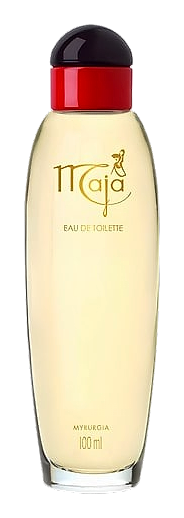
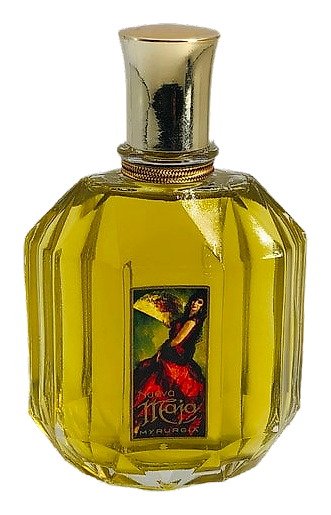
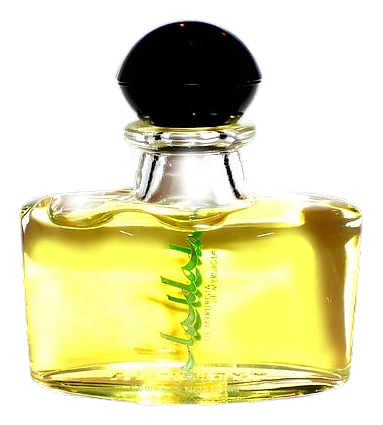
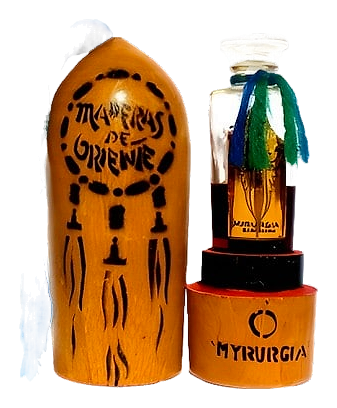
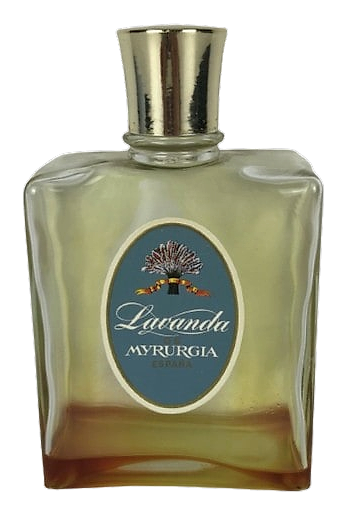
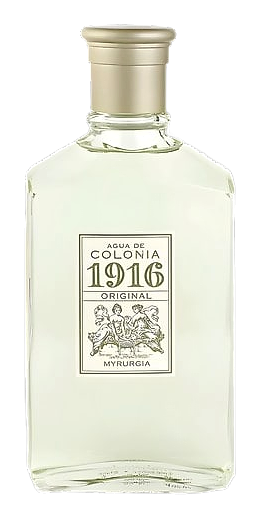
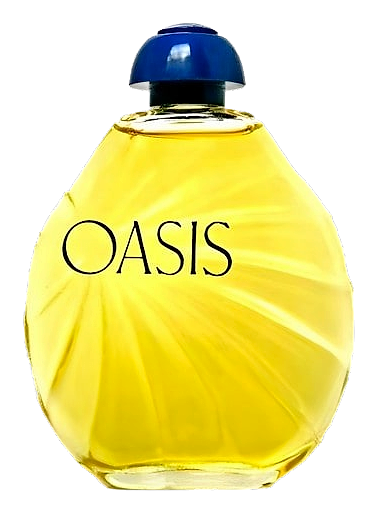
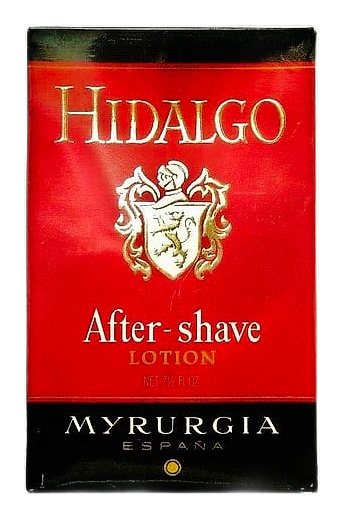
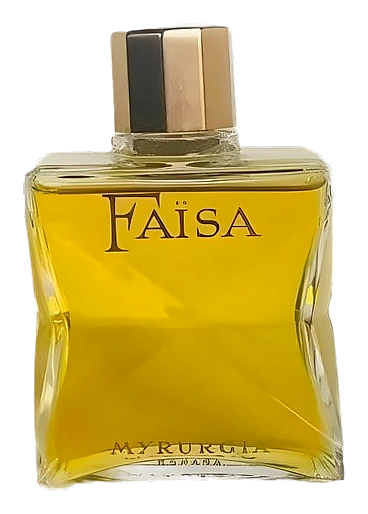
MyrurgiaMyrurgia is a Barcelona‑based fragrance house that has been crafting scented experiences for more than a century. Founded in 1916 by the Catalan Monegal family, the label grew from a modest workshop into a producer of fine perfumes, soaps and cosmetics. Its catalogue includes historic scents such as Lavanda (1916) and Embrujo de Sevilla (1933), alongside later icons like Hidalgo (1971) and Oasis (1980). Today Myrurgia sits within the Puig portfolio, yet it retains the quiet confidence of a family‑run atelier that values material integrity and quiet elegance.
The Creator
Ramón Monegal MasoRamón’s signature technique hinges on precise accord construction. He often begins with a clear heart—citrus, lavender or rosemary—then builds a supporting base of amber, cedar or sandalwood that grounds the composition.