The Story
Why it exists.
The beginning
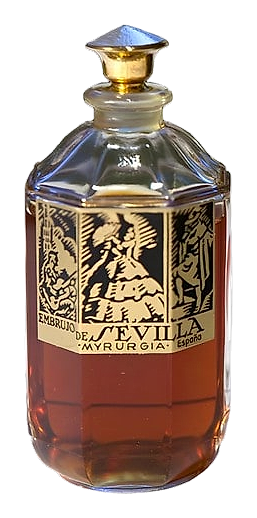
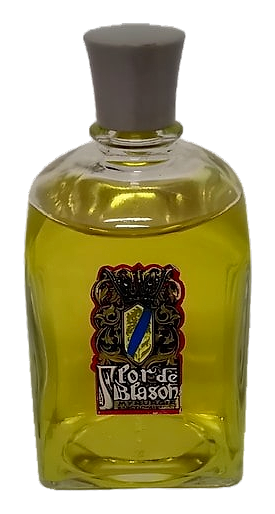
Flor de Blasón arrived in 1926 from Myrurgia. The name translates as "the flower of the coat of arms," a title that carries the formal flourish and decorative weight characteristic of its moment. The composition itself opens with the unmistakable brightness of bergamot and lavender, herbal and clean, the kind of aromatic clarity that announces a fragrance with intention. That crisp entry soon gives way to Bulgarian rose and carnation at the heart, warmed by geranium and given depth by clove. The base turns soft and powdery: heliotrope lending its almond-sweet, vanillic hush, tonka contributing its caramel warmth, and sandalwood smoothing everything into a creamy, lasting close. It is a floral-spicy composition, structured enough to feel deliberate, romantic enough to feel generous.
What makes Flor de Blasón interesting is the tension between its bright, herbal opening and its sweet, powdery base. The bergamot and lavender read with striking clarity, a fresh, aromatic entry that feels both lively and composed. The lavender in particular announces itself with confidence before the florals arrive, and clary sage adds a slightly bitter, almost medicinal edge that keeps the opening sharp. Then Bulgarian rose and carnation arrive, and the composition shifts toward something gentler, more decorative.
The evolution
The first thirty minutes belong to the herbs. Bergamot and lavender open clean and aromatic, with clary sage lending a slightly bitter, almost medicinal edge that keeps things sharp. Lavender is not shy here. It announces itself before the florals arrive, bright and full, the dominant voice of the opening. By the one-hour mark, Bulgarian rose and carnation settle in, warm and slightly spiced, with geranium adding a green-rosy lift. The carnation gives the heart a clove-like warmth that distinguishes it from simpler rose compositions, that distinctive spicy-sweet character unmistakable as it weaves through the Bulgarian rose. The drydown takes over by hour three or four. Heliotrope powder softens everything, tonka adds a caramel-vanilla sweetness, and sandalwood grounds the whole composition in something creamy and lasting.
Cultural impact
Flor de Blasón sits among Myrurgia's early compositions, a 1926 release that represents the house's distinctive take on the floral-spicy genre. Warmer than the chypres and aldehydic florals coming out of France in the same decade, it leans into a more powdery, romantic register: heliotrope lending almond sweetness, tonka adding caramel warmth, sandalwood smoothing the base. The bright herbal opening of bergamot and lavender, sharpened by clary sage, sets it apart from those softer French florals, giving it an aromatic clarity that feels distinctly Spanish in sensibility.