The Story
Why it exists.
The beginning
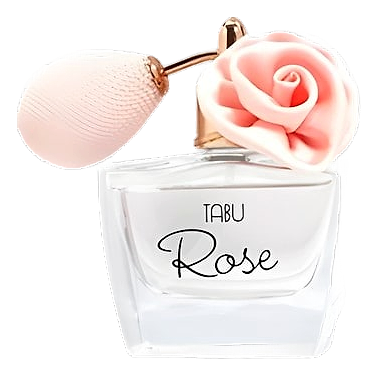
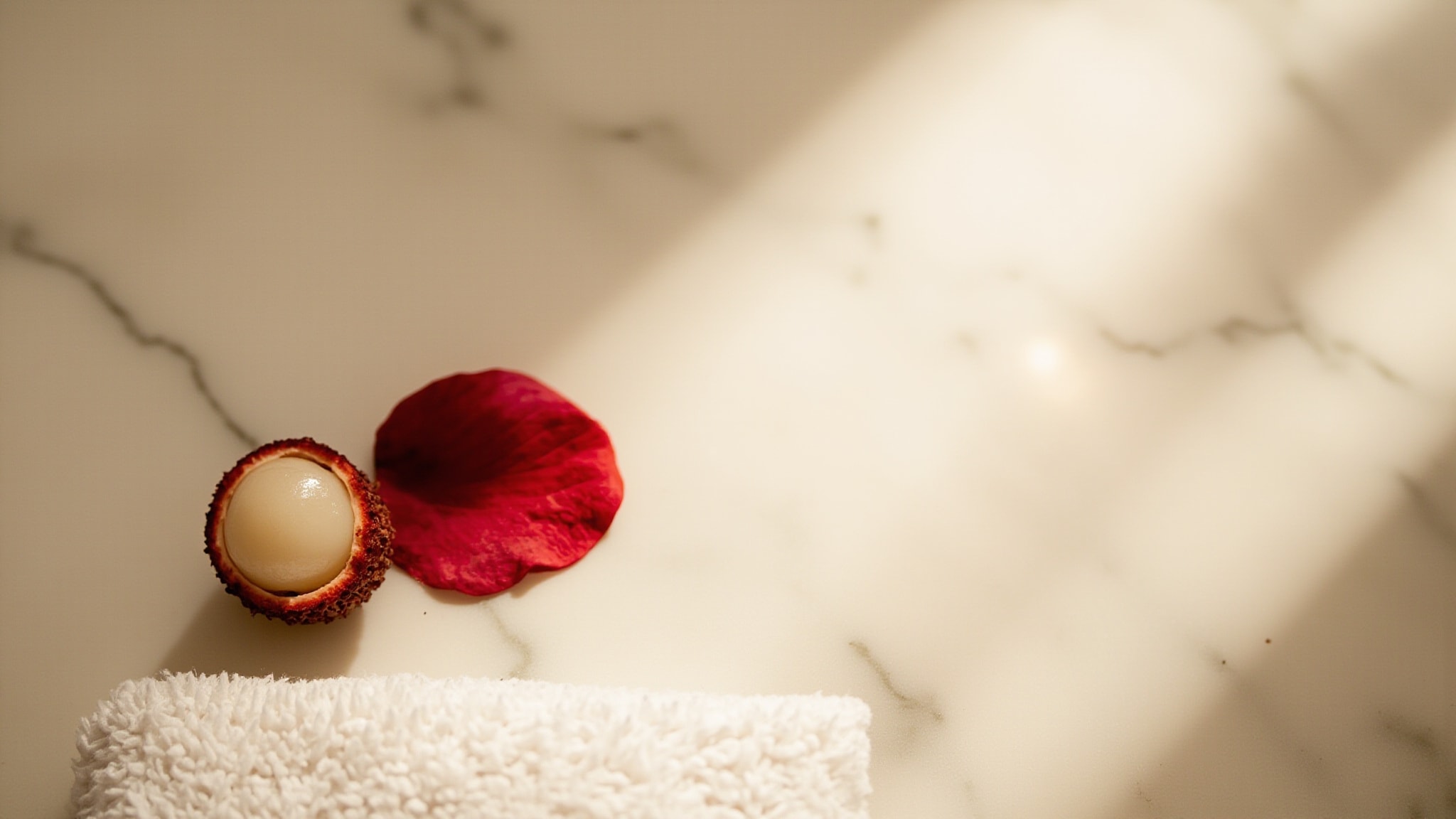
Tabu Rose arrived in 2015 as a modern chapter in Dana's long catalog of oriental and floral compositions. The name nods to the house's 1932 debut fragrance, a daring oriental that built Dana's reputation, but this is a gentler creature entirely. Where the original Tabu was bold and unapologetic, Tabu Rose is tender: a rose-forward fragrance that wears its name literally. The composition opens with Bulgarian rose and lychee, the rose offering a rich, dewy sweetness while the lychee adds a bright, slightly tropical lift. Amber settles beneath the surface warmth, grounding the florals without heaviness. Cedar arrives in the drydown, lending a quiet woody presence alongside hints of liquidambar resin.
The structure is simple on paper, Bulgarian rose, lychee, amber, cedar, but the interplay is what matters. Lychee pulls the rose away from vintage territory and into something tropical, while amber adds warmth beneath the petals that prevents the whole thing from reading as cold or metallic. Cedar in the base keeps the drydown grounded, preventing any floaty, soapy impression. The liquidambar note (sometimes listed as sweetgum) adds a faint resinous quality that bridges the fruity opening and woody close, giving Tabu Rose a smooth handoff between its phases rather than a sharp gear shift. It's a composition that earns its simplicity: nothing wasted, nothing missing, just rose done with restraint.
The evolution
The first minutes are gentle. Bulgarian rose opens alongside lychee, bright, slightly sweet, a little dewy. There's no sharp aldehyde kick or aggressive citrus; the entrance is soft by design. The lychee and rose dance together, the fruitiness keeping the floral from becoming heavy. As time passes, amber begins to breathe underneath, warming the rose without weighing it down. The fruity-floral warmth becomes the fragrance's central character, a stage where the rose remains prominent but softened by the amber underneath. Cedar announces itself gradually, not as a dramatic shift but as a quiet settling. The tropical notes recede and the drydown takes on a woody, slightly resinous character from the liquidambar and cedar together. What remains is a skin-close warmth: amber and wood, barely there, the memory of rose rather than rose itself.
Cultural impact
Tabu Rose stood apart with its restraint. Where many rose fragrances leaned into projection and presence as selling points, this one offered quietude. Its gentle character attracted wearers who preferred softness over assertiveness, people who wanted a rose that accompanied rather than announced. The composition spoke to those who appreciated subtlety in their fragrance choices, finding comfort in a quieter aromatic presence.