The Story
Why it exists.
The beginning
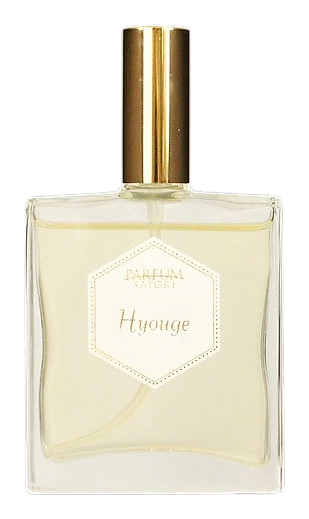
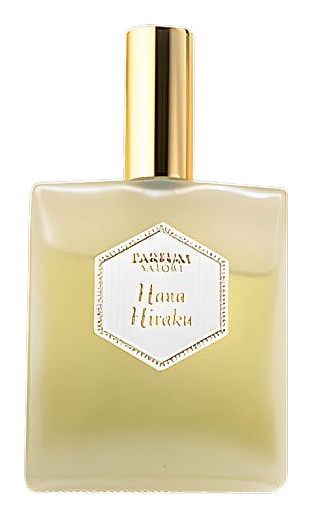
Hana Hiraku arrived in 2016 from Ōsawa Satori. The name points to a flower opening, and that idea feels central to the composition. Rather than presenting Japanese magnolia as a polished blossom alone, Hana Hiraku places the flower's creamy character beside a broader arrangement of white blooms, dry woods, and savory miso and soy notes. Magnolia provides a soft floral center, while the surrounding ingredients give the fragrance depth and definition. The result is a study in contrast: floral brightness placed beside food-like warmth, with a clear space for each accent to register as the scent moves from its opening into a more textured drydown.
The unusual part is the tension between magnolia's creamy softness and soy's rounded savoriness. Magnolia gives the composition its floral center, while tuberose, jasmine, rose, iris, ylang-ylang, and chamomile build a white floral heart with different textures inside it. As the fragrance develops, the bouquet becomes less uniformly sweet and more layered, with magnolia's smooth creaminess tempered by the sharper floral character of tuberose and the softer variations of jasmine, rose, iris, and ylang-ylang. Chamomile adds a gentle herbal undertone. Then the base turns quietly earthy.
The evolution
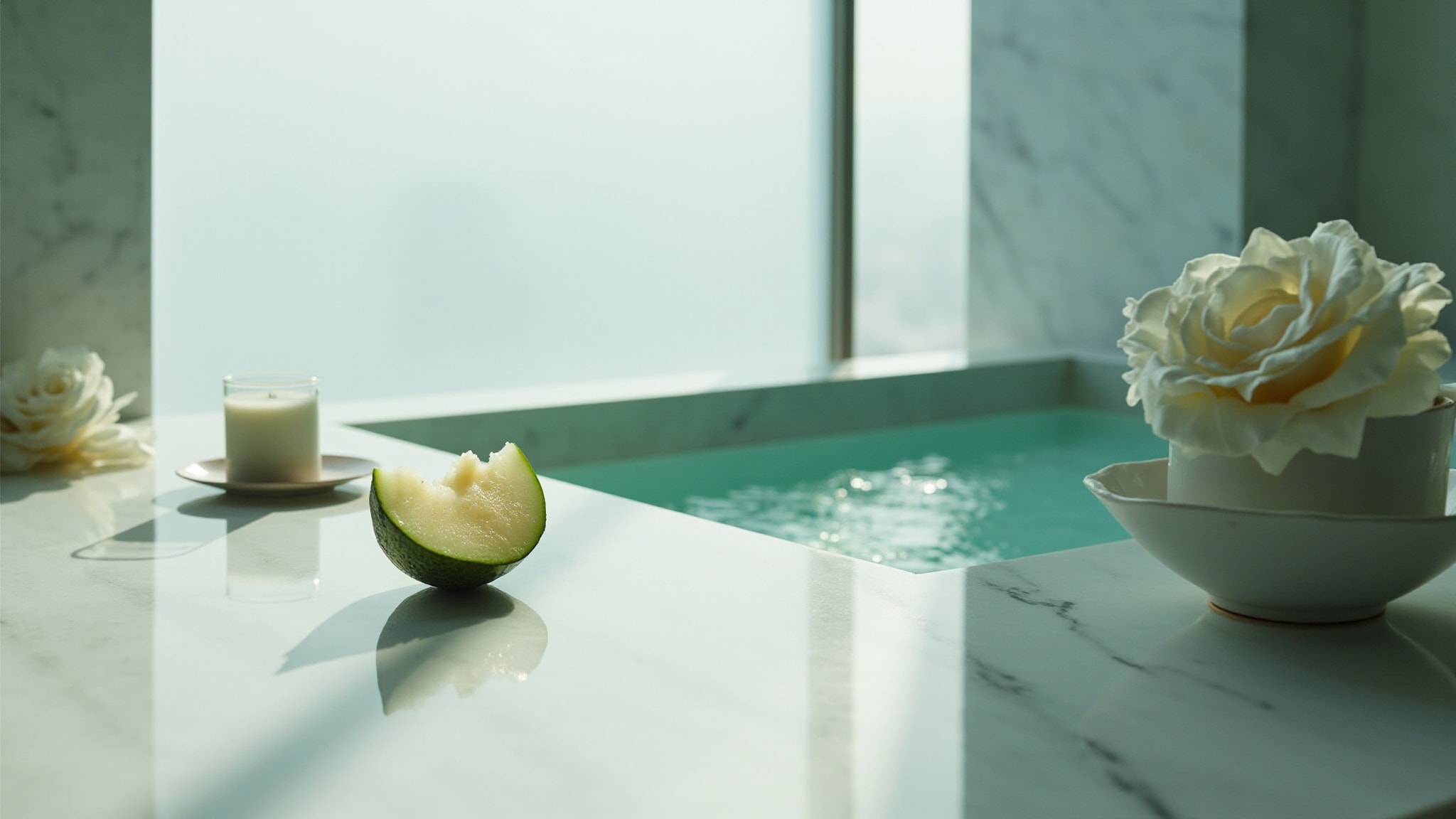
Hana Hiraku begins with the bright, cold-fruit feeling of melon, sharpened by bergamot and green galbanum. That opening has an almost aquatic snap, like fruit served beside a rainy window. The fruit impression is clean and lively, while galbanum gives it a green, resinous edge and bergamot adds brightness without making the opening feel heavy. As it settles, the heart becomes more tactile and floral: magnolia brings creaminess, tuberose adds a polished white-flower intensity, and jasmine, rose, iris, and ylang-ylang give the bouquet a slow, evolving depth. The floral notes do not arrive all at once, but gradually shift around one another as the fragrance warms against the skin. The surprise arrives later, when salt, beeswax, soybean, sandalwood, and cedar introduce miso-like savoriness and dry wood.
Cultural impact
Hana Hiraku reflects a contemporary fragrance sensibility built around contrast: bright fruit, green galbanum, creamy magnolia, and a base that recalls salt, soy, wax, and pale wood. The composition is most compelling when these materials are considered as parts of a unified scent rather than isolated novelties. Bright melon and bergamot create a clear opening, while green galbanum adds a sharper, vegetal quality. Magnolia then brings a rounded creaminess into the heart, surrounded by the more textured white-flower presence of tuberose, jasmine, rose, iris, and ylang-ylang. The later notes change the fragrance's direction.
The House
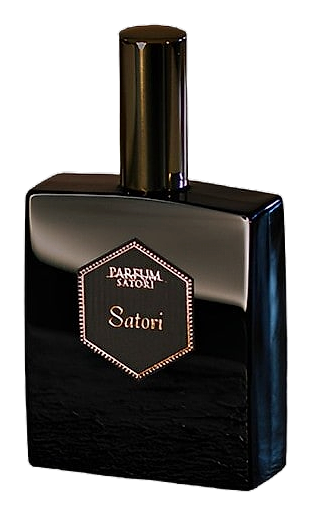
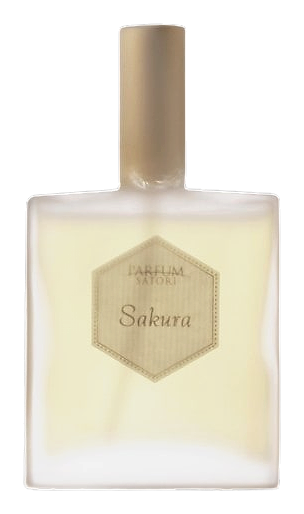
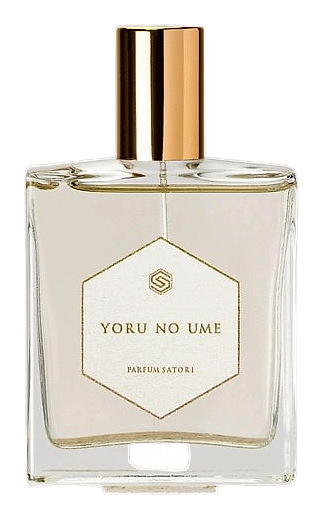
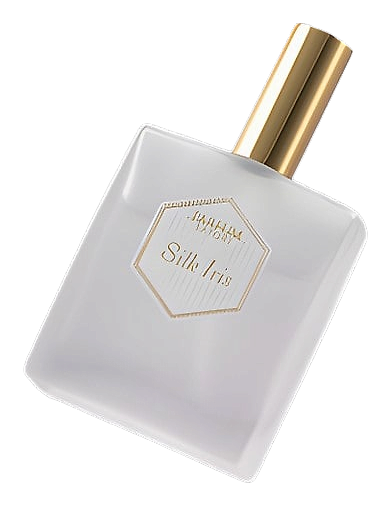
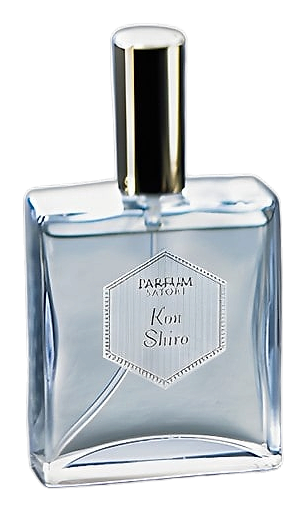
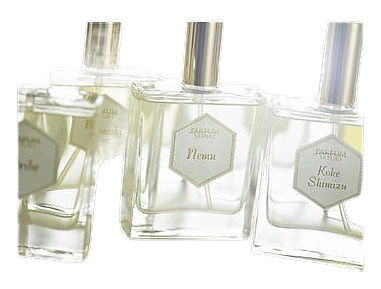
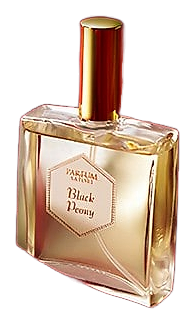
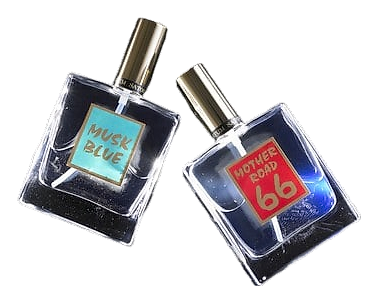
Parfum SatoriParfum Satori occupies a quiet corner of Tokyo's Roppongi district, inside a residential building that requires deliberate intent to find. The house is the personal project of Satori Osawa, who founded and heads the brand as both creator and perfumer. Her work draws from Japanese philosophy and aesthetics, translating concepts like wabi-sabi, impermanence, and cultural memory into liquid form. Among the collection are pieces like Murasaki no Ue, named after the 11th-century author Lady Murasaki; Yoru no Ume, an evening meditation; and Sakura, exploring cherry blossom as both beauty and fleetingness. Osawa is one of the few Japanese members of the Association of Perfumers of France, founded in 1942, which gives her a rare standing in both Eastern and Western perfumery traditions. The house produces a focused line of fragrances, each carrying a specific cultural message or wish, positioned as aromatic interpretations of Japanese spirit rather than commercial products.
The Creator
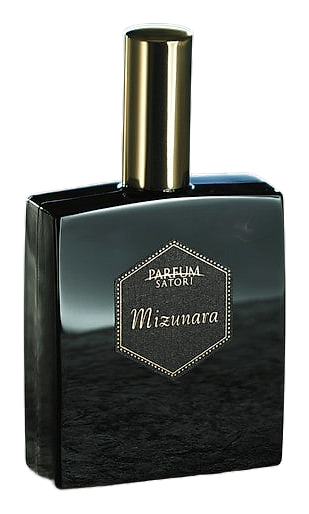
Ōsawa Satori / 大沢 さとりOsawa's work tends toward restraint and complexity. She favors natural materials with depth and history: wood notes like Mizunara, green and aromatic facets that recall Japanese forests, and the subtle astringency of tea in all its forms.