The Story
Why it exists.
The beginning
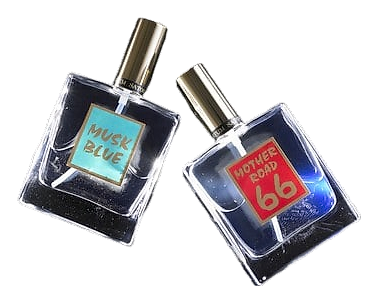
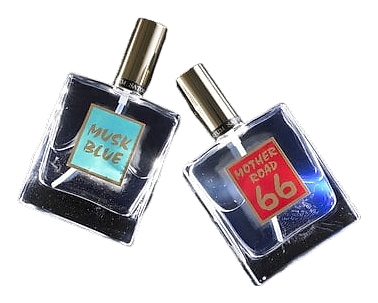
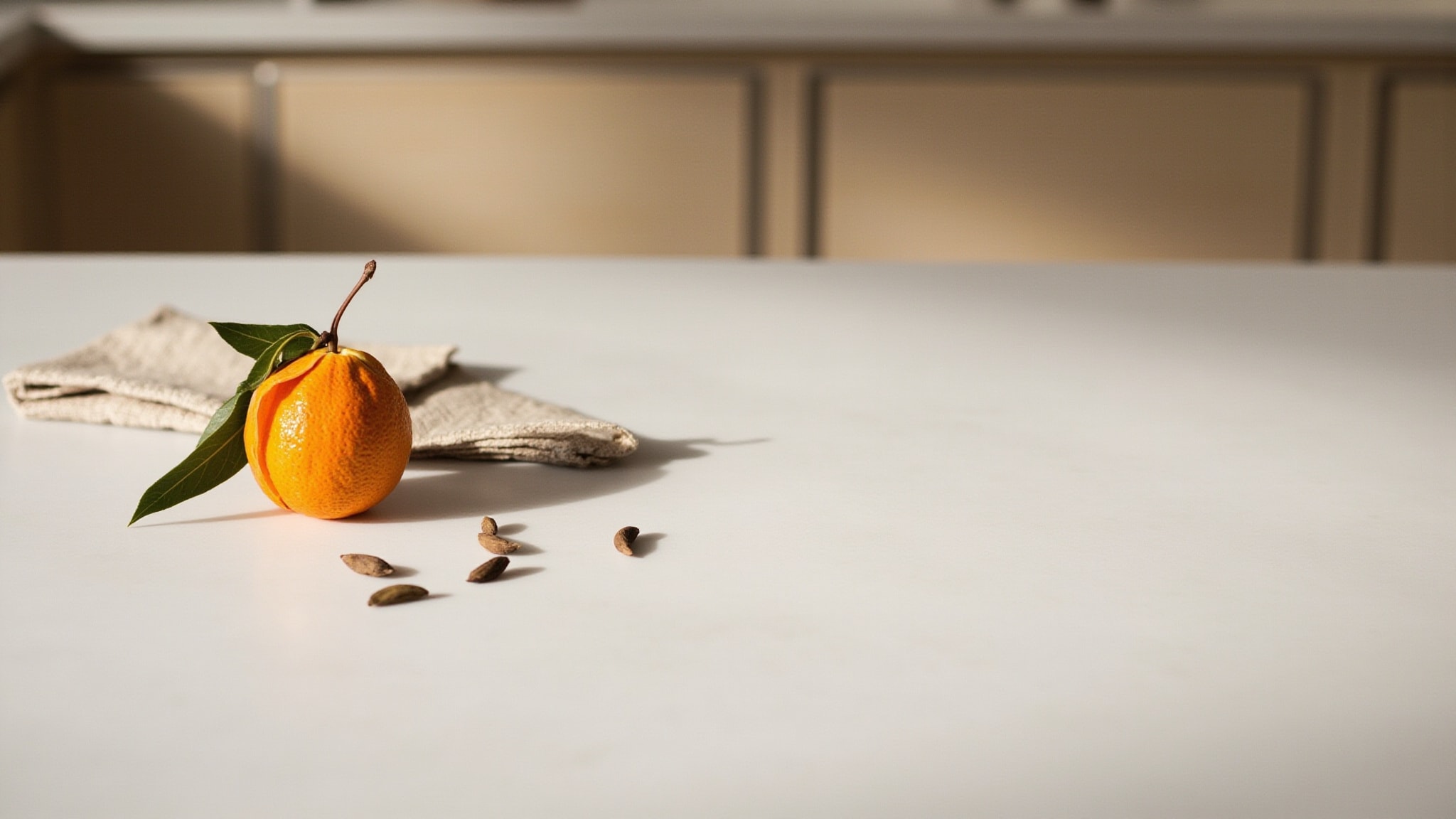
Musk Blue arrived in 2007, composed by Satori Osawa. Its name points directly to the clean, close-fitting character of musk, but the composition never settles for a simple blue splash. Bergamot, lemon, and mandarin orange bring an immediate brightness, sharpened by cardamom. The citrus opening feels lively and lucid, with the sharper spice giving it a measured edge. That opening soon gives way to Mimosa, lavender, violet, iris, and cloves, creating a floral center with enough structure to feel composed rather than decorative. As these notes settle, the fragrance moves between cool citrus brightness, soft floral powder, and the clean warmth of musk.
The interesting part is the tension between cool brightness and powdery softness. Citrus and cardamom make the first impression clean and alert, while iris and violet introduce a suede-like elegance. Lavender keeps the heart aromatic, and cloves add a dry, peppery flicker beneath the florals. At the base, Pine Tree and Canadian Balsam bring resinous depth, preventing the musk from feeling weightless. It is a measured take on freshness, built with space between its contrasting materials.
The evolution
The opening starts with a brisk lift: bergamot, lemon, mandarin orange, and cardamom create a clean, sparkling first impression. Mimosa, lavender, violet, iris, and cloves then draw it inward. The flowers do not bloom loudly; they soften the citrus into a powdery, aromatic center, while cloves add a faintly peppery edge. As the fragrance dries down, the bright fruit and spice recede. Pine Tree and Canadian Balsam deepen the composition, giving it a resinous, evergreen shadow. Musk keeps the finish close to skin, and amber adds a warm trace beneath the cool floral air. Over time, the scent shifts from crisp citrus to a softly floral heart, then settles into a woody, resinous base with subtle warmth. By the end, it feels like a clean blue shirt under evening light: crisp at first, then softly woody and quietly warm, with a moderate trail that lingers close to the wearer.
Cultural impact
Musk Blue presents freshness as a deliberate composition rather than a fleeting impression. Bergamot, lemon, and mandarin orange establish a bright opening, followed by the softer interplay of mimosa, lavender, violet, iris, and cloves. The floral heart gains a faintly peppery accent from cloves before pine tree and Canadian balsam introduce a deeper resinous character. Musk and amber complete the scent with a close, clean warmth. The result is a balanced floral-woody-musk profile that moves clearly from luminous citrus to powdery flowers, evergreen depth, and a softly ambered finish.
The House
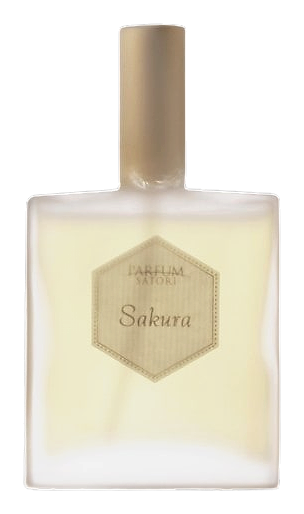
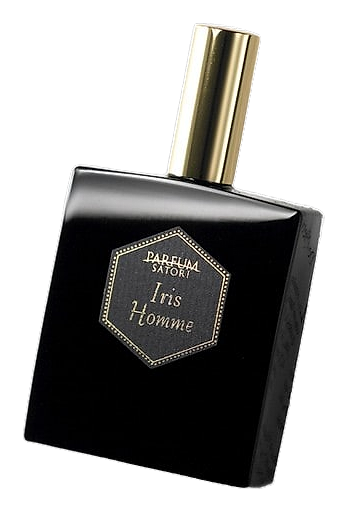
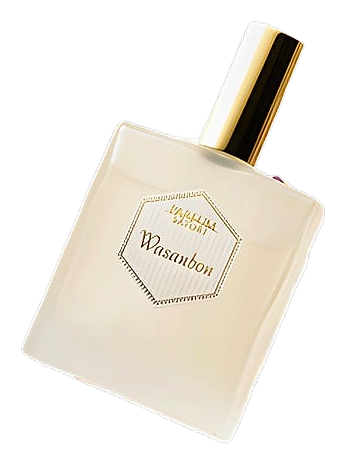
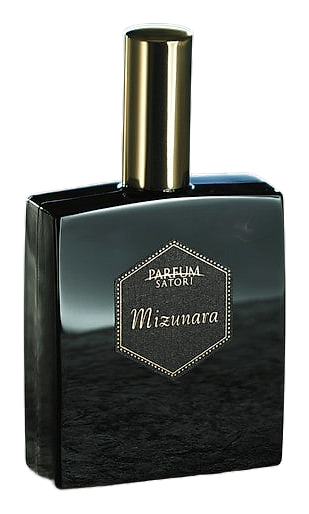
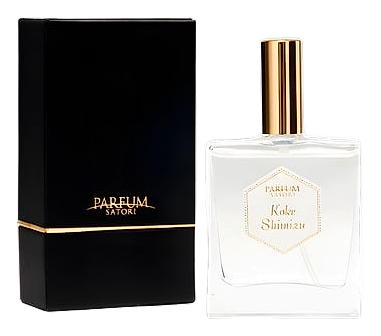
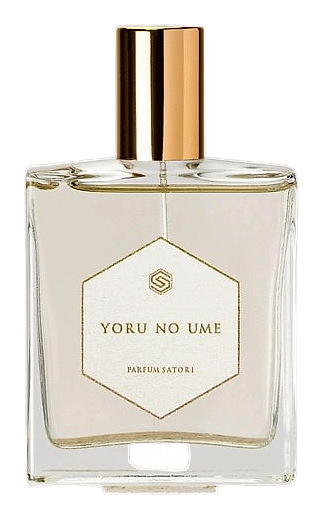
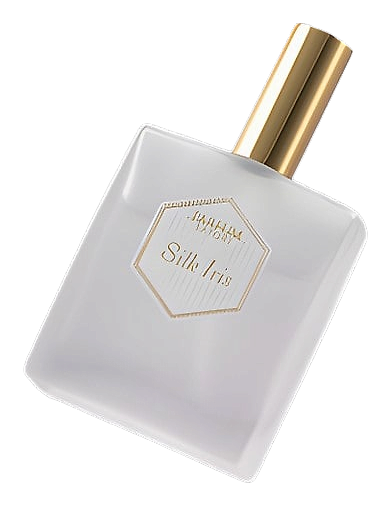
Parfum SatoriParfum Satori occupies a quiet corner of Tokyo's Roppongi district, inside a residential building that requires deliberate intent to find. The house is the personal project of Satori Osawa, who founded and heads the brand as both creator and perfumer. Her work draws from Japanese philosophy and aesthetics, translating concepts like wabi-sabi, impermanence, and cultural memory into liquid form. Among the collection are pieces like Murasaki no Ue, named after the 11th-century author Lady Murasaki; Yoru no Ume, an evening meditation; and Sakura, exploring cherry blossom as both beauty and fleetingness. Osawa is one of the few Japanese members of the Association of Perfumers of France, founded in 1942, which gives her a rare standing in both Eastern and Western perfumery traditions. The house produces a focused line of fragrances, each carrying a specific cultural message or wish, positioned as aromatic interpretations of Japanese spirit rather than commercial products.
The Creator
Satori OsawaOsawa's signature rests on a tension between botanical clarity and cultural storytelling. She reaches frequently for ingredients with deep resonance in Japanese ceremony and daily ritual: green tea in its many expressions, yuzu, hinoki, sansho, shiso, and other native aromatics.