Canadian Balsam
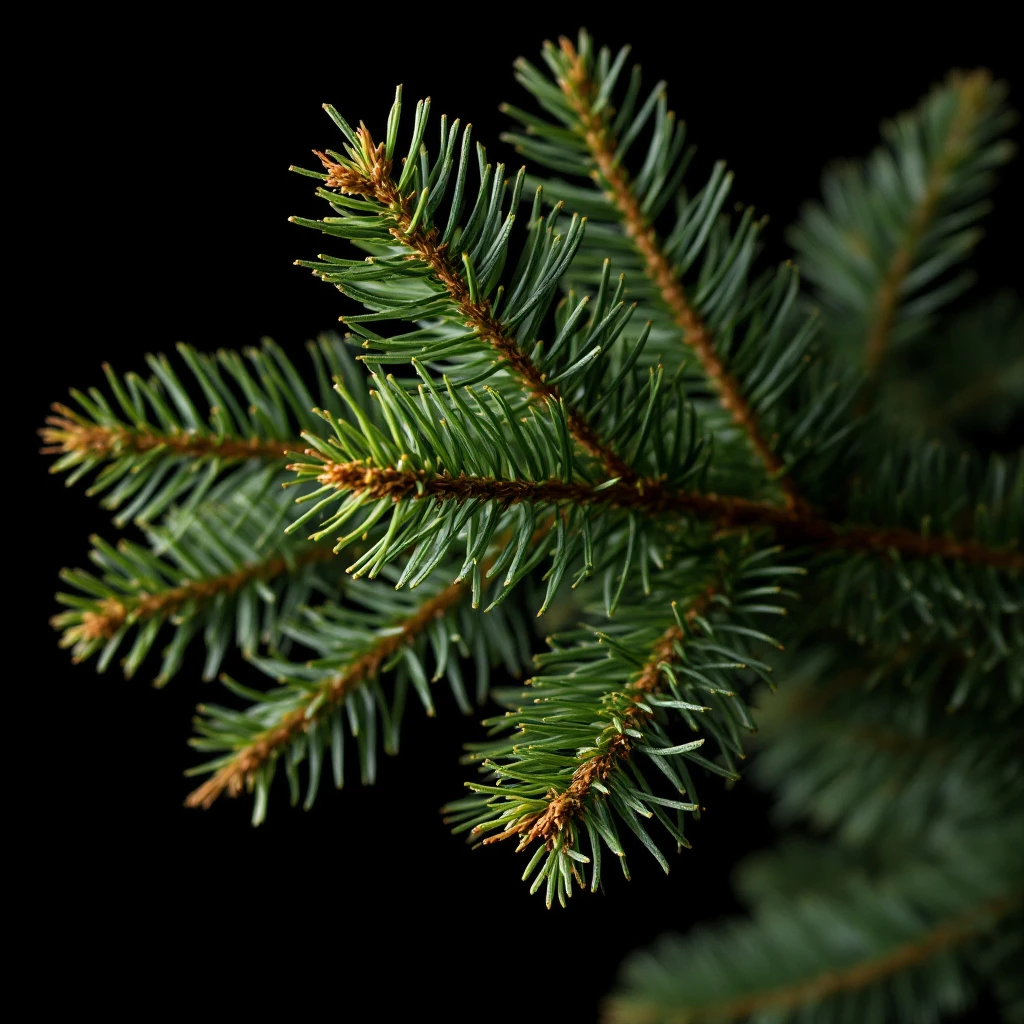
Canadian Balsam, extracted from the Balsam Fir (Abies balsamea), captures the crisp, invigorating essence of northern forests. This North American material has anchored perfumery formulations since commercial solvent extraction began in the 1880s, delivering bold coniferous character and natural resinous warmth.
Character
How it smells
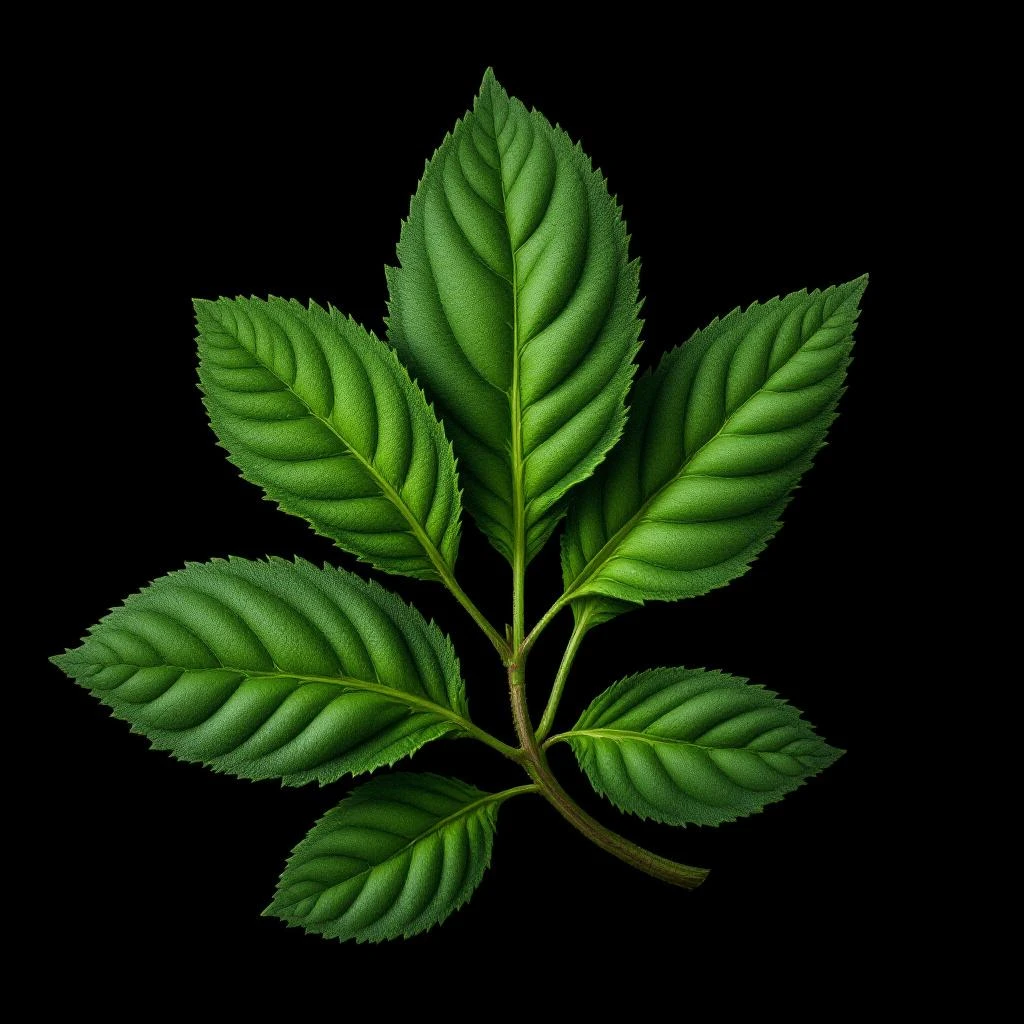
The crisp scent of northern forests
Balsam Fir resin once served as a precision cement for optical lenses, giving Canadian Balsam an unexpected role in microscope and telescope manufacturing.




Origin
Canada
The Balsam Fir held significant medicinal value for many First Nations peoples across Canada long before commercial fragrance production began. Indigenous communities recognized the antimicrobial properties of Balsam Fir, using it as a traditional remedy for various ailments.
When commercial solvent extraction launched in the 1880s, Canada and the northeastern United States became the primary production zones for this material. The timing aligned with growing industrial demand for natural coniferous materials in perfumery.
Canadian Balsam quickly established itself as a reliable source of forest-fresh aroma, finding its place in masculine colognes, fougeres, and aromatic compositions. The material's association with northern forests and wilderness gave it an authenticity that resonated with perfumers seeking genuine coniferous character.
Wears it best
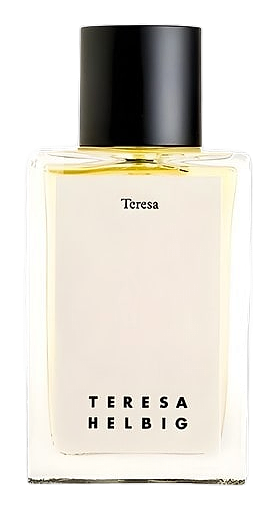
Fragrances featuring Canadian Balsam

Brands
Brands known for Canadian Balsam
Good to know
Questions, answered
The essentials on Canadian Balsam in perfumery: how it smells, where it comes from, and how it behaves on skin.
What does Canadian Balsam smell like?
Canadian Balsam delivers a fresh, bracing coniferous aroma with bold pine and fir notes. The scent evokes walking through a northern forest, combining crisp needle freshness with warm resinous undertones.
Is Canadian Balsam the same as Peru Balsam?
No, they are distinct materials. Canadian Balsam comes from Abies balsamea (Balsam Fir), while Peru Balsam derives from Myroxylon balsamum, a Central American tree. Their aromatic profiles and origins differ significantly.
When did commercial Canadian Balsam production begin?
Commercial solvent extraction of Balsam Fir began in the 1880s, initially concentrated in Canada and the northeastern United States. This marked the first systematic production of the material for the fragrance industry.
What parts of the Balsam Fir are used for extraction?
Extraction primarily uses the needles and small twigs of the Balsam Fir tree. These aerial parts contain the highest concentration of aromatic compounds that yield Canadian Balsam's characteristic coniferous scent.
How long has Balsam Fir been used traditionally?
First Nations communities across Canada used Balsam Fir for medicinal purposes for generations before commercial extraction began. Research has confirmed the antimicrobial properties that underpinned these traditional applications.
What fragrance families use Canadian Balsam?
Canadian Balsam appears frequently in fougeres, aromatic chypres, and masculine colognes. Its authentic coniferous character also makes it valuable in forest-themed and nature-inspired fragrance compositions.
What extraction method produces Canadian Balsam?
Solvent extraction is the primary method used since the 1880s. Fresh Balsam Fir needle material is processed with solvents to extract the oleoresin, yielding both essential oil and absolute for fragrance use.
Does Canadian Balsam have non-fragrance applications?
Yes. Balsam Fir resin has served as a precision cement for optical lenses in microscopy and telescopes. The oleoresin's adhesive properties made it valuable in optical manufacturing before synthetic alternatives became available.