The Story
Why it exists.
The beginning
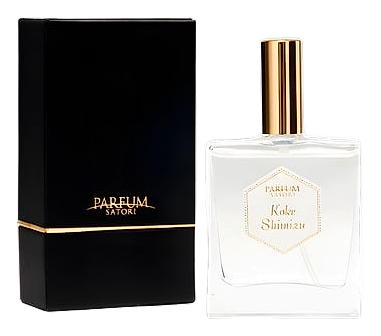
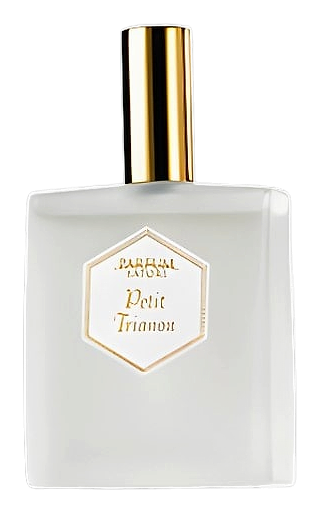
Petit Trianon takes its name from the small châteaux of the same name, a quieter, more contained space set apart from grandeur. Launched in 2012, the fragrance is Satori Osawa's olfactory translation of that particular kind of beauty: refined, slightly melancholic, and built for intimacy rather than display. The Petit Trianon was a place built for stepping away from the larger world. Osawa's composition follows that logic: elegance that doesn't announce itself. The scent opens with hyacinth and neroli, a green-white pairing that feels like walking through a walled garden at dawn, before settling into a heart of rose, carnation, and clove.
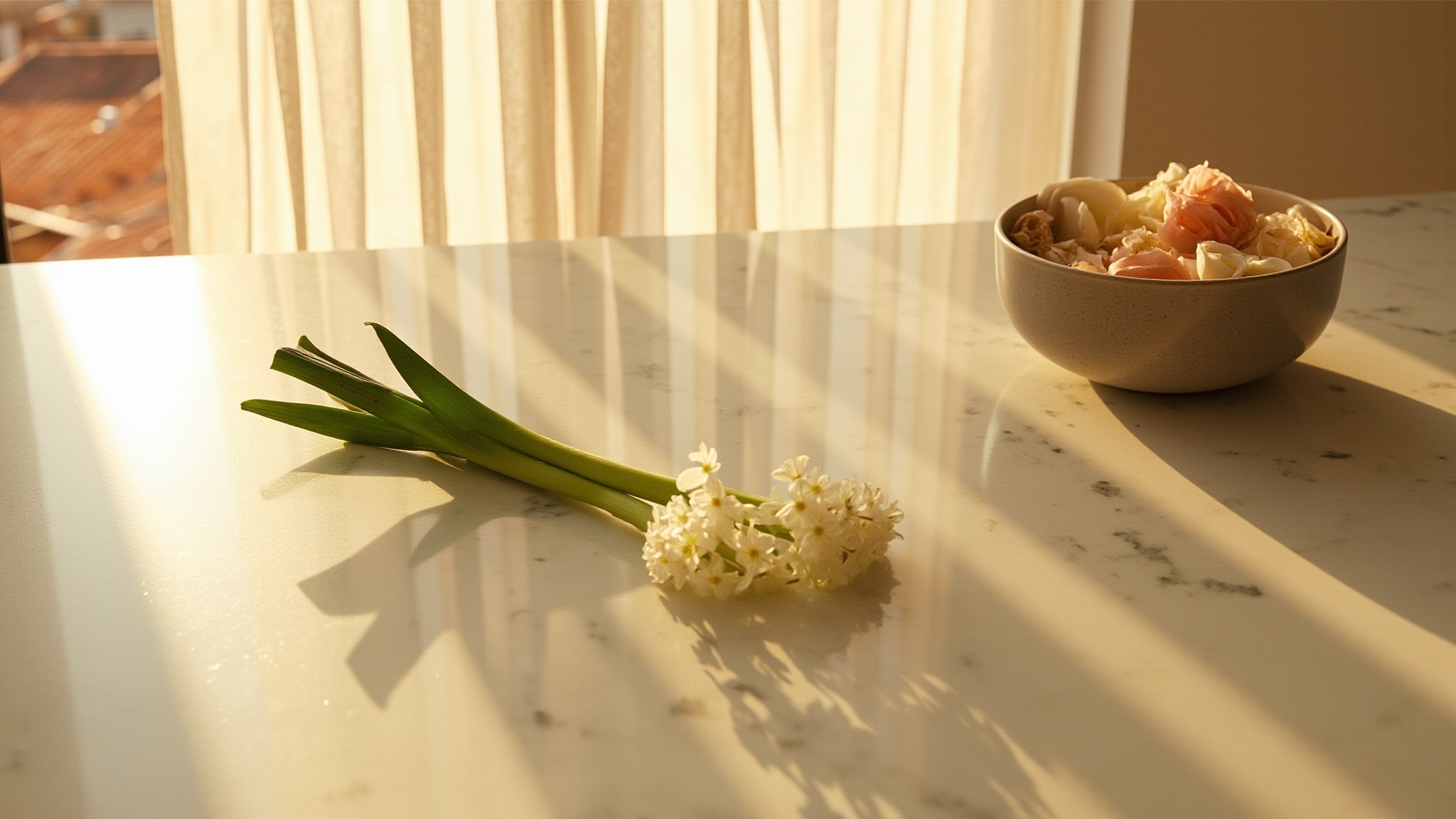
The choice to build around hyacinth and neroli at the top is unusual for a floral led by rose. Here the greenness comes first and stays. Hyacinth gives that wet-stem quality, almost vegetal, before neroli lifts it toward something luminous. It sets up a tension the heart then resolves: carnation and clove arriving with warmth, almost edible, pushing against the cool floral start. That push-pull between garden-cool and spice-warm is what gives Petit Trianon its particular character. It's not a clean floral. It's a floral with weather.
The evolution
The first fifteen minutes belong to hyacinth, green, almost watery, like stems just snapped. Neroli threads through it, keeping the brightness lifted. There's something faintly metallic at the edges, a coolness that reads as glass or stone. The neroli fades first, around the twenty-minute mark, and clove begins to surface underneath the hyacinth like heat building under green leaves. By forty minutes the composition has reorganized entirely. Rose takes center, but it's not the rose of a bouquet, it's rose with carnation behind it, clove-edged, slightly peppery. The jasmine adds density without sweetness, more texture than bloom. This heart phase runs long, maybe two to three hours, and it stays remarkably consistent. The base doesn't crash the party. Sandalwood arrives quietly, warm and a little creamy, and the amber softens everything without adding sweetness. Musk underneath holds it all to skin. Six hours in, what's left is sandalwood, amber, and the faint ghost of carnation, warm, close, powdery in the best sense. It doesn't project much past the second hour.
Cultural impact
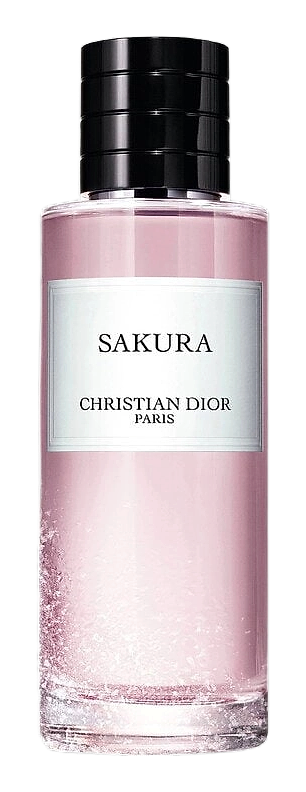
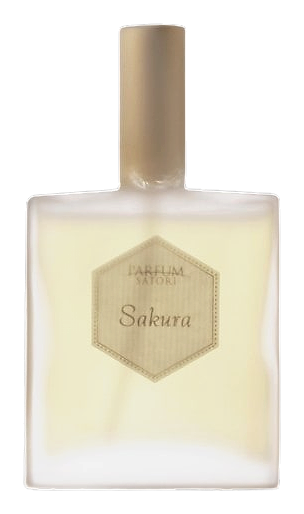
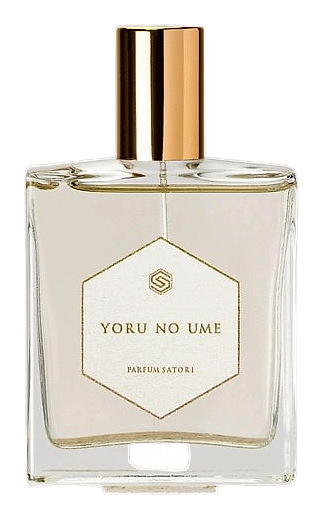
Petit Trianon wears like a quiet luxury: the kind of fragrance that doesn't ask to be noticed but rewards anyone close enough to catch it. It sits naturally beside the brand's other works, Sakura, Yoru no Ume, Murasaki no Ue, as a piece that carries historical reference without costume. The châteaux inspiration gives it a particular elegance, a reference to a smaller, more private architectural space, and that sensibility of contained beauty is part of why it stands out even within Parfum Satori's own catalog.
The House
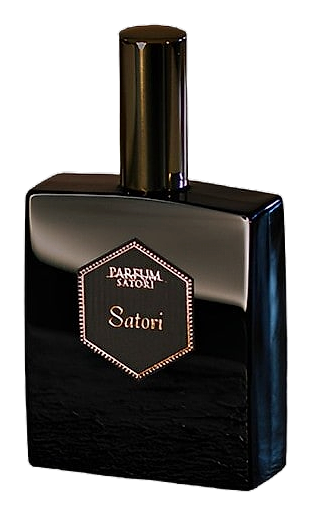
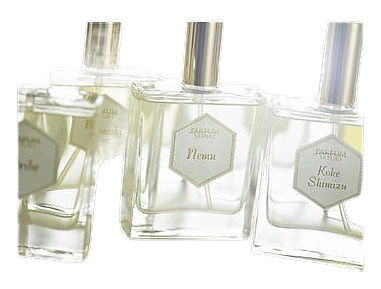
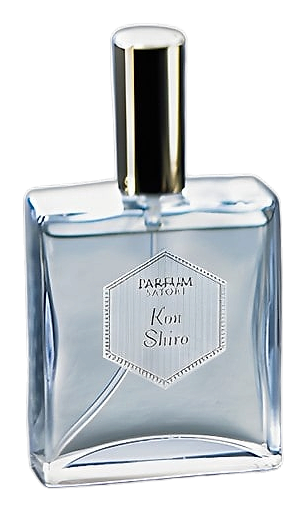
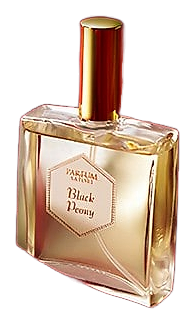
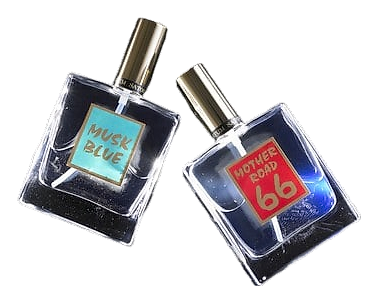
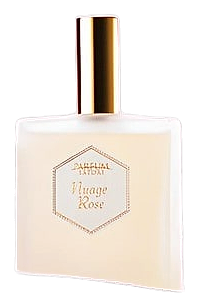
Parfum SatoriParfum Satori occupies a quiet corner of Tokyo's Roppongi district, inside a residential building that requires deliberate intent to find. The house is the personal project of Satori Osawa, who founded and heads the brand as both creator and perfumer. Her work draws from Japanese philosophy and aesthetics, translating concepts like wabi-sabi, impermanence, and cultural memory into liquid form. Among the collection are pieces like Murasaki no Ue, named after the 11th-century author Lady Murasaki; Yoru no Ume, an evening meditation; and Sakura, exploring cherry blossom as both beauty and fleetingness. Osawa is one of the few Japanese members of the Association of Perfumers of France, founded in 1942, which gives her a rare standing in both Eastern and Western perfumery traditions. The house produces a focused line of fragrances, each carrying a specific cultural message or wish, positioned as aromatic interpretations of Japanese spirit rather than commercial products.
The Creator
Satori OsawaOsawa's signature rests on a tension between botanical clarity and cultural storytelling. She reaches frequently for ingredients with deep resonance in Japanese ceremony and daily ritual: green tea in its many expressions, yuzu, hinoki, sansho, shiso, and other native aromatics.