
The Story
Why it exists.
The beginning
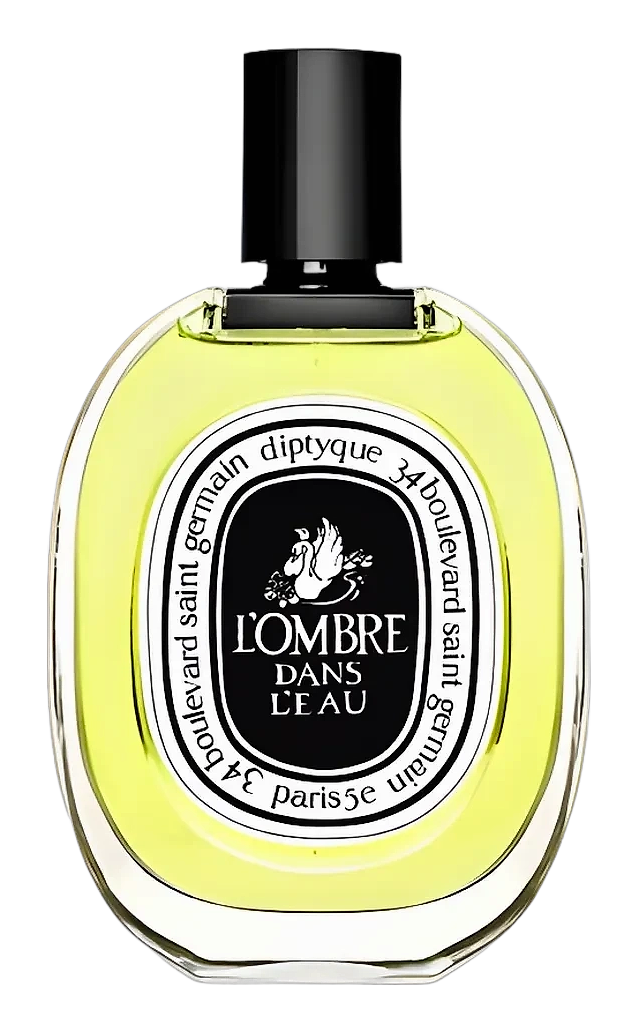
Serge Kalouguine created L'Ombre dans l'Eau in 1983, working from a name that already told you everything. Shadow in the water. The title wasn't metaphor, it was instruction. The idea was to capture the stillness of a river at the edge of a garden, where green things lean over and their reflection becomes something else entirely. Kalouguine spent thirty years with the house of Fragonard before this commission from Diptyque, and that rigor shows. This isn't a landscape sketch. It's a finished painting that happens to smell like one.
What makes the composition unusual is the structural logic: blackcurrant leaf and Bulgarian rose shouldn't work as equals, but here they do. The leaf brings an astringent, almost wet quality, like pressing your nose to something just pulled from water. The rose doesn't compete. It softens the whole thing into something rounded, breathing. Bergamot and mandarin in the heart keep it from ever going heavy, while ambergris and musk anchor the base into skin-warm territory that lingers. The whole pyramid is greener than it is floral, which is exactly the point, you're standing next to the water, not picking flowers from the bank.
The evolution
It opens green and immediate. The blackcurrant leaf arrives first, sharp and vegetable, almost vegetal, not the berry but the green part that no one else bothers with. Within minutes the rose swells and the whole thing softens into a green-floral that reads almost aquatic, like wet stone and petals. The drydown is where this one earns its reputation. Musk and ambergris settle in, turning the initial brightness into something that lives close to the skin for hours. What surprises is the longevity, most green florals vanish within two hours. This one holds a quiet, steady presence through a full workday, never projecting far, never letting you forget it's there.
Cultural impact
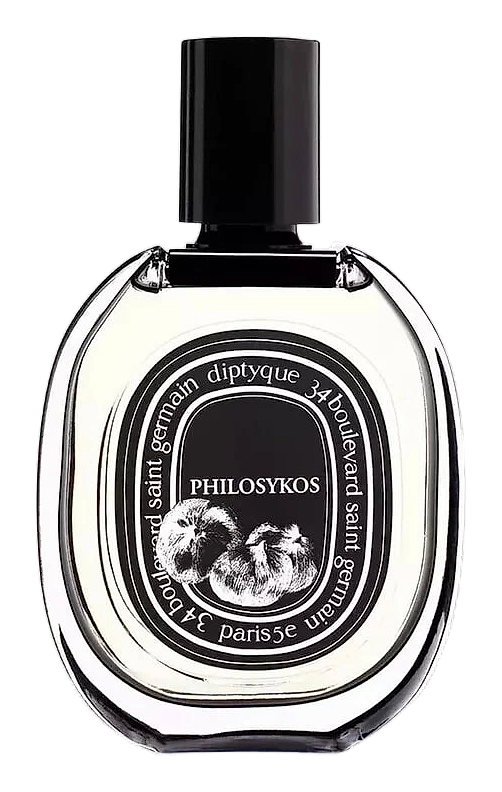
Released in 1983, L'Ombre dans l'Eau arrived at a moment when green fragrances were still considered masculine territory and rose was firmly in the powder-soft camp. Neither label fit. The cassis-leaf note was unusual enough to intrigue the niche crowd while the rose kept it accessible, and it quietly earned a place in the Diptyque canon alongside Philosykos and Tam Dao, fragrances that smell like places rather than ideas of places.