
The Story
Why it exists.
The beginning
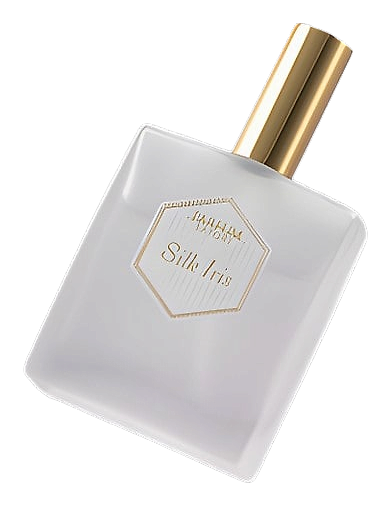
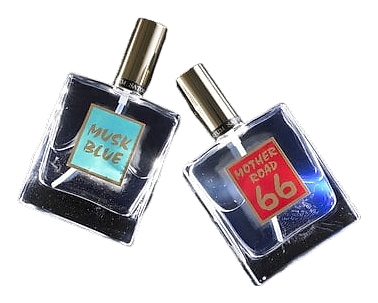
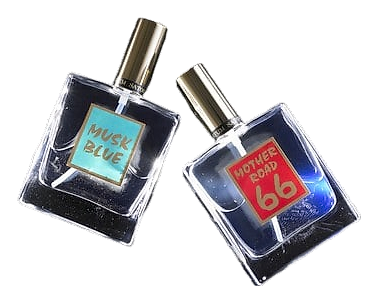
Mother Road 66 arrived in 2007 from the Tokyo atelier of Parfum Satori. The name borrows Route 66, that mythic American artery stretching from Chicago to the Pacific, a road more imagined than driven by most. The fragrance offers a Mediterranean herb-field composition, Italian citrus at the head, rosemary and lavender from the coastal scrubland, black pepper for the dust. The opening is brisk and sun-warmed, that particular brightness of Sicilian bergamot and lemon zest cut with the snap of cracked black peppercorn. Almost immediately the herbal notes begin to uncurl, rosemary leading with its camphorated lift, then lavender arriving in slow waves, less soapy than aromatic, more like the plant itself growing wild on a hillside.
What makes this composition unusual is its structural restraint. Osawa builds the green spine from galbanum, a sharp resinous material that smells like a crushed stem, and grounds it in Brazilian rosewood at the heart. The galbanum does the heavy lifting in the first twenty minutes, assertive and almost vegetable in its intensity, before the rosewood rounds it out with a creamy, woody warmth that softens the sharpness without dulling it. The rosemary-lavender pairing is classic fougère territory, but the addition of clove in the middle gives it an almost medicinal warmth.
The evolution
The first ten minutes are the loudest this gets. Italian mandarin, lemon, and bergamot arrive together with a bright green crack from the galbanum, and the black pepper sits underneath like a thumb pressed on the citrus, keeping it from drifting into simple freshness. Rosemary steps forward around the twenty-minute mark alongside lavender, pulling the whole thing into a dried-herb register. The clove surfaces slowly, not as spice but as warmth, a low hum behind the lavender's softness. Brazilian rosewood adds a creamy wood note that keeps the heart from going too austere. By the third hour the top notes have long since folded into the composition. What's left is moss, a touch of amber, powder, and white musk, sitting very close to skin. On fabric the next morning, it reads as clean cotton with a faint herbal memory, the kind of trace that makes someone lean in rather than pull back. Lasts a solid workday on most skin types.
Cultural impact
Within Parfum Satori's catalog, Mother Road 66 plays the role of the everyday composition, the one wearers reach for when the more contemplative pieces feel like too much. It's the lighter offering in a lineup that tends toward denser, more inward-looking work, the fragrance you put on for a Saturday morning rather than a quiet evening at home. The Japanese hand in the composition, that powdery, mossy, almost laundered finish, sets it apart from Western citrus-aromatics with superficially similar note structures.
The House
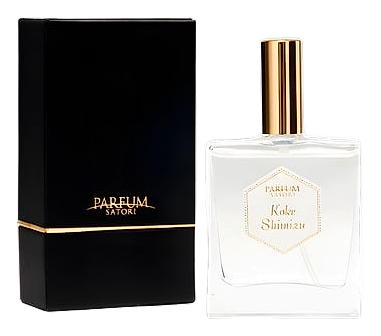
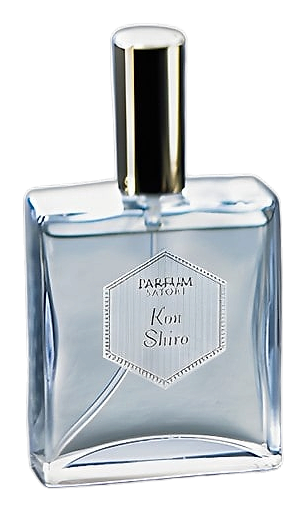
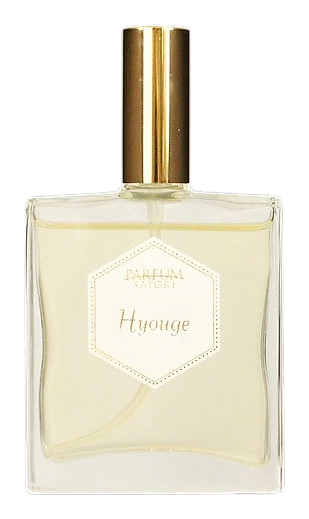
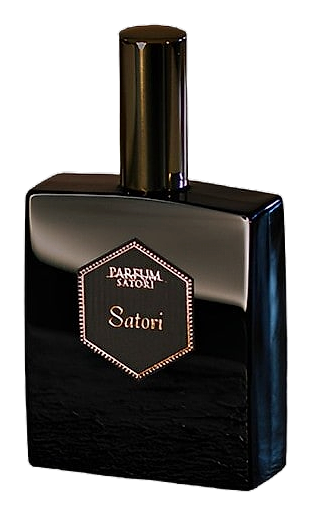
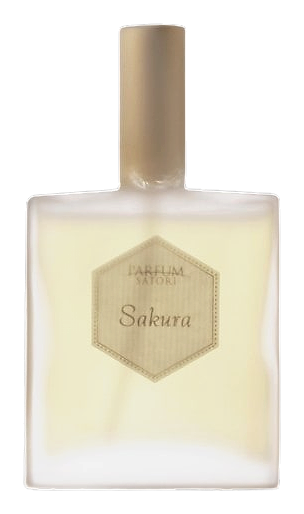
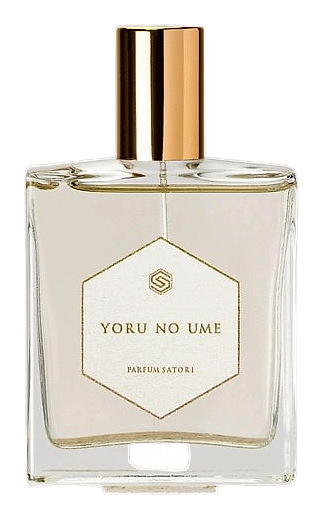
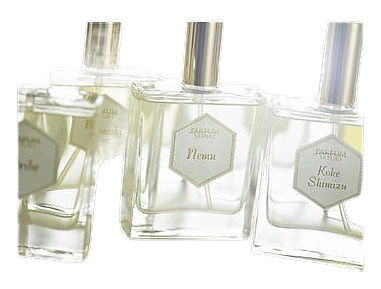
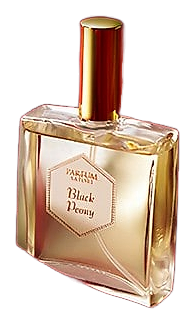
Parfum SatoriParfum Satori occupies a quiet corner of Tokyo's Roppongi district, inside a residential building that requires deliberate intent to find. The house is the personal project of Satori Osawa, who founded and heads the brand as both creator and perfumer. Her work draws from Japanese philosophy and aesthetics, translating concepts like wabi-sabi, impermanence, and cultural memory into liquid form. Among the collection are pieces like Murasaki no Ue, named after the 11th-century author Lady Murasaki; Yoru no Ume, an evening meditation; and Sakura, exploring cherry blossom as both beauty and fleetingness. Osawa is one of the few Japanese members of the Association of Perfumers of France, founded in 1942, which gives her a rare standing in both Eastern and Western perfumery traditions. The house produces a focused line of fragrances, each carrying a specific cultural message or wish, positioned as aromatic interpretations of Japanese spirit rather than commercial products.
The Creator
Ōsawa Satori / 大沢 さとりOsawa's work tends toward restraint and complexity. She favors natural materials with depth and history: wood notes like Mizunara, green and aromatic facets that recall Japanese forests, and the subtle astringency of tea in all its forms.