
The Story
Why it exists.
The beginning
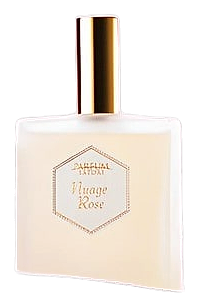
Nuage Rose arrived in 2011 from Satori Osawa, a Japanese perfumer whose work sits within the country’s niche fragrance landscape. The composition reads like a study in gentle density. This is not a rose that announces itself across a room. It's a rose that accumulates, layer by layer, until you realize you're inside it. Two roses anchor the heart: Damask rose, rich and almost edible, and Rose de Mai, the rarer May-harvested variety that carries a lemony, honeyed edge. Around them, violet and mimosa add a powdery softness that keeps the composition from tipping into sweetness. The opening cuts against the soft core with pink pepper, a sharp, slightly cool note that keeps the florals from reading as precious.
What makes the composition structurally interesting is what happens before the roses arrive. Pink pepper in the opening does real work. It's not decorative. It introduces a cool, slightly sharp quality that prevents the florals from reading as precious or vintage. The pear softens that entry but doesn't sweeten it. Then the double rose heart arrives, and this is where the composition shows its hand. Two distinct rose varieties appear in the formula. The Damask rose brings a deep, almost jam-like quality, the scent of petals steeped in their own sweetness.
The evolution
The first phase belongs to the pepper. It's not aggressive, but it's present, and it keeps the pear from reading as a simple fruit note. Think cool air on skin, with something faintly spicy underneath. The rose doesn't rush in. It builds gradually, and when both varieties arrive together, the composition gets dense in a quiet way. Mimosa adds a yellow, almost hay-like sweetness. Violet contributes something cooler, slightly candied. This is the phase where Nuage Rose earns its name, the heart where the cloud imagery starts to make sense. The scent does feel weighty and enveloping here, but not insubstantial. There's body to it. The drydown starts shifting as the hours pass. The roses recede. Iris and sandalwood take over, and ambrette seed gives everything a clean, warm skin scent. The next morning, what's left is a faint powdery musk, close to the body.
Cultural impact
Nuage Rose has carved out a following among wearers who want a rose composition with substance and structure. It's a fragrance that appeals to people who usually avoid rose-forward scents, drawing them in with the peppery opening and keeping them interested through a layered heart that feels substantial rather than one-note. Wearers who describe it tend to reach for words like 'shy' and 'noble,' which tells you something about who it appeals to. Those who love it often point to the way the scent behaves over time, shifting from bright pepper through dense double rose and into a powdery, intimate base.
The House
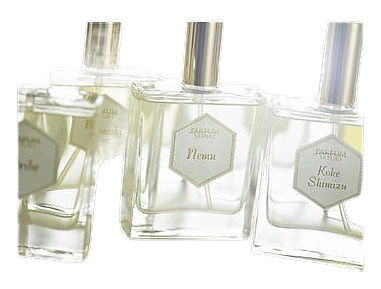
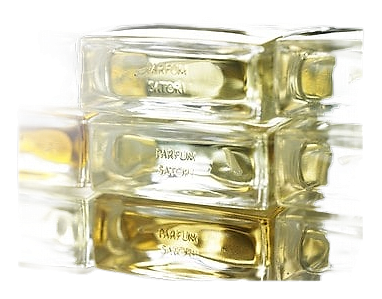
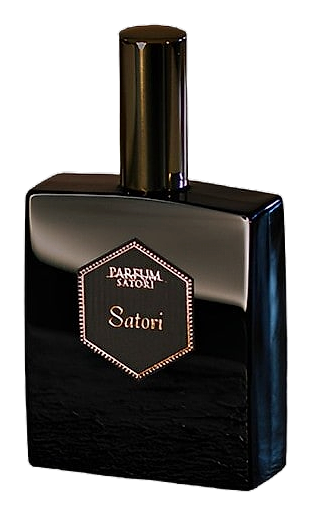
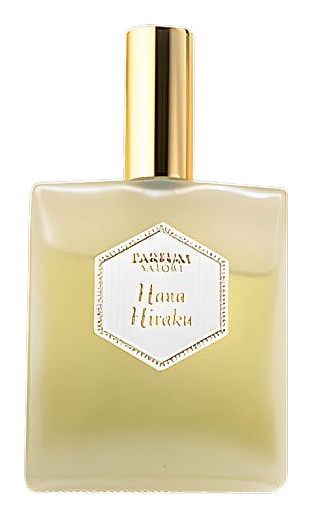
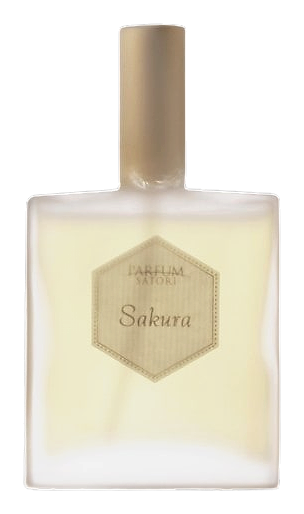
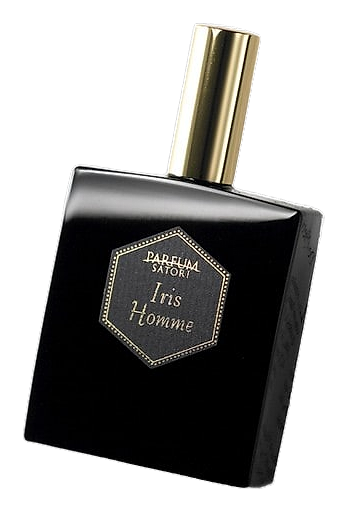
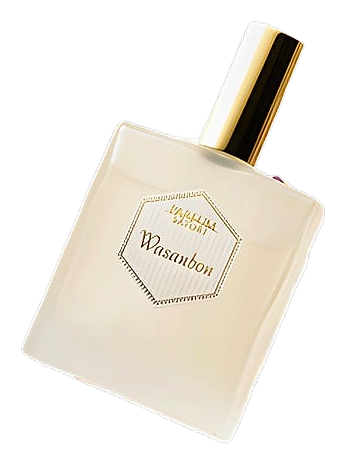
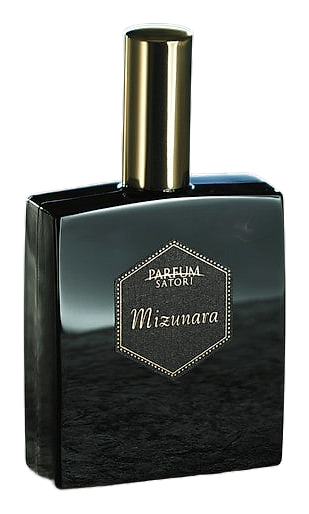
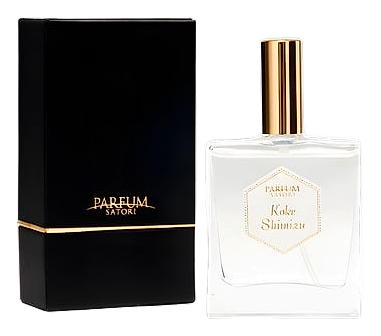
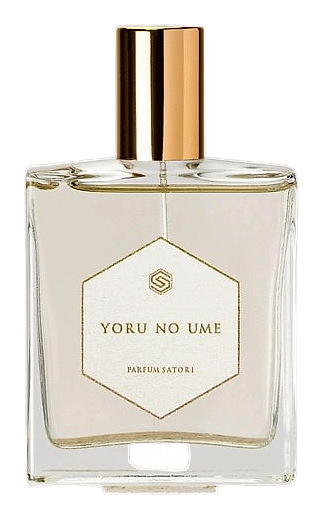
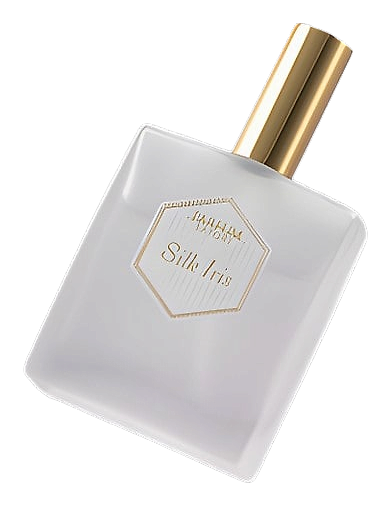
Parfum SatoriParfum Satori occupies a quiet corner of Tokyo's Roppongi district, inside a residential building that requires deliberate intent to find. The house is the personal project of Satori Osawa, who founded and heads the brand as both creator and perfumer. Her work draws from Japanese philosophy and aesthetics, translating concepts like wabi-sabi, impermanence, and cultural memory into liquid form. Among the collection are pieces like Murasaki no Ue, named after the 11th-century author Lady Murasaki; Yoru no Ume, an evening meditation; and Sakura, exploring cherry blossom as both beauty and fleetingness. Osawa is one of the few Japanese members of the Association of Perfumers of France, founded in 1942, which gives her a rare standing in both Eastern and Western perfumery traditions. The house produces a focused line of fragrances, each carrying a specific cultural message or wish, positioned as aromatic interpretations of Japanese spirit rather than commercial products.
The Creator
Satori OsawaOsawa's signature rests on a tension between botanical clarity and cultural storytelling. She reaches frequently for ingredients with deep resonance in Japanese ceremony and daily ritual: green tea in its many expressions, yuzu, hinoki, sansho, shiso, and other native aromatics.