Soybean
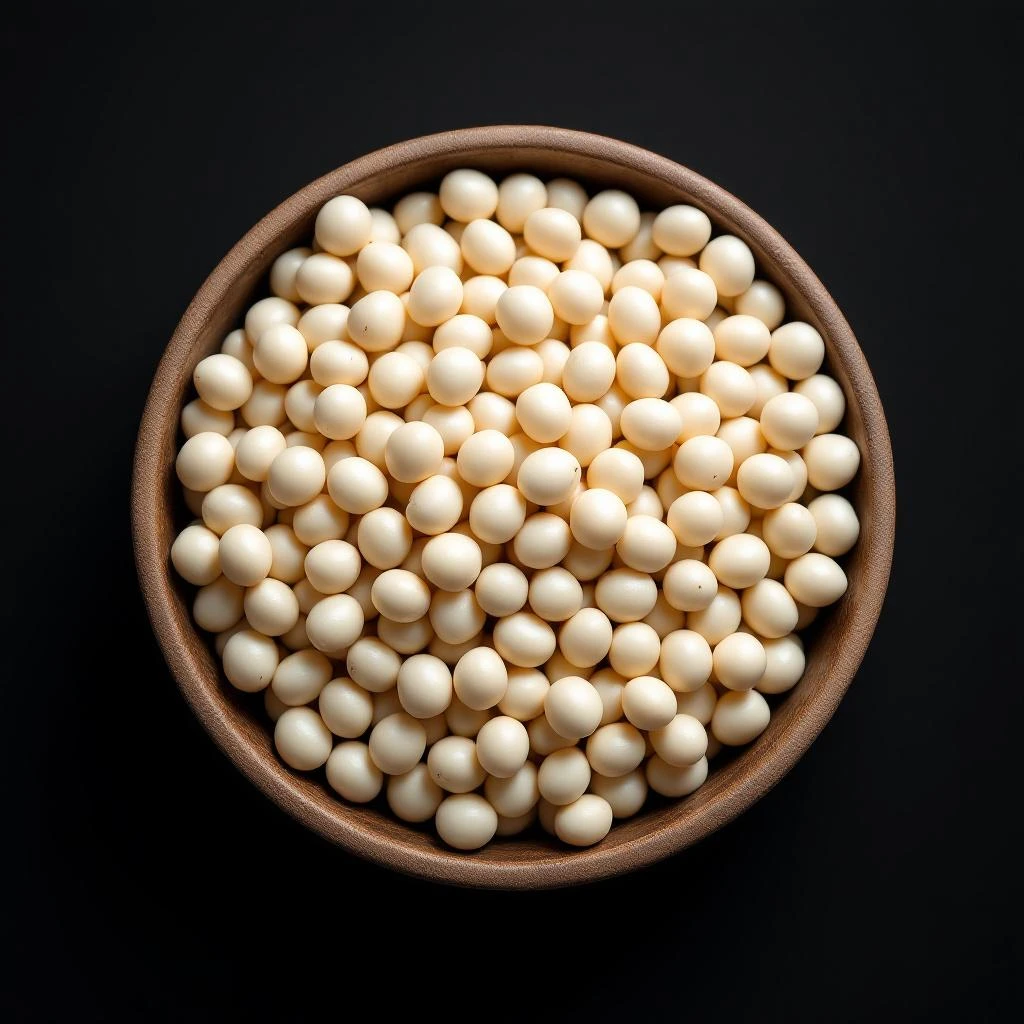
Soybean offers a gentle, nutty creaminess that rounds accords, imparting subtle earth tones and a whisper of soy milk richness. Its smooth profile bridges woody and gourmand layers, making it a versatile anchor in contemporary perfumery.
Character
How it smells
Soft nutty cream, the quiet anchor of modern scents.
Soybean oil was the first plant oil mass‑produced for fragrance use in the 1970s, providing a renewable alternative to animal fats and expanding sustainable sourcing options.






Origin
China
Archaeologists trace soybean cultivation to the Yellow River basin of China around 5,000 years ago, where the bean featured in ritual offerings and early food preparations. The crop spread to Korea and Japan by the first millennium CE, becoming a staple in East Asian culture. European explorers encountered soybeans in the 16th century, but the plant remained a curiosity until the 20th century, when industrial processing unlocked its oil potential.
In the 1970s, fragrance houses began extracting the oil's mild, creamy note to replace animal‑derived bases, marking soybean's debut in modern perfumery. Since then, the ingredient has supported a wave of sustainable formulations, linking ancient agriculture with contemporary scent design.
Wears it best
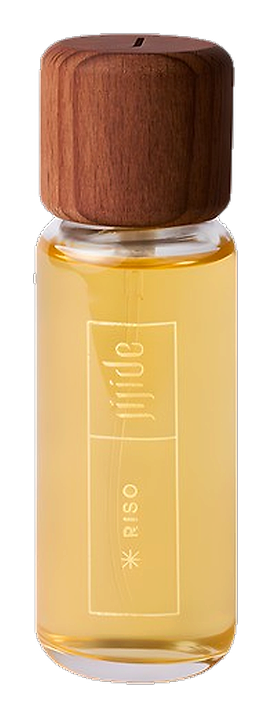
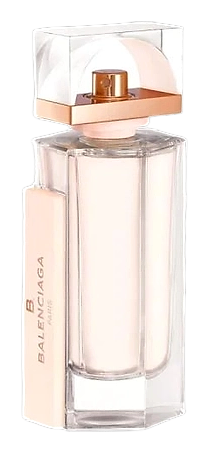
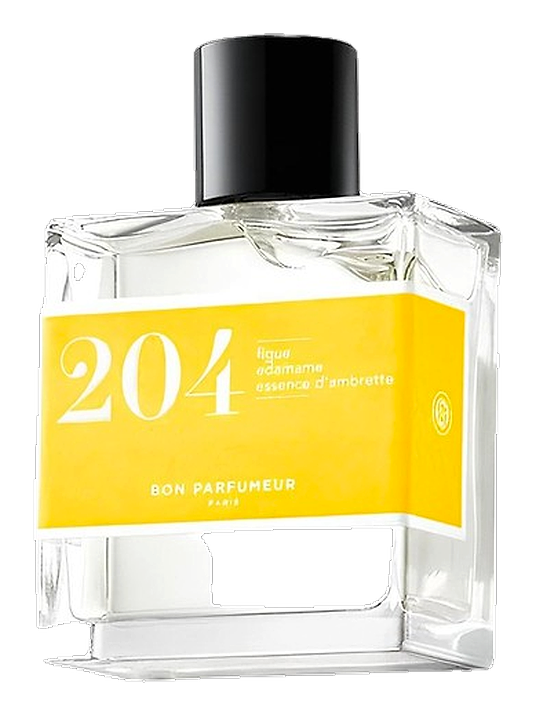
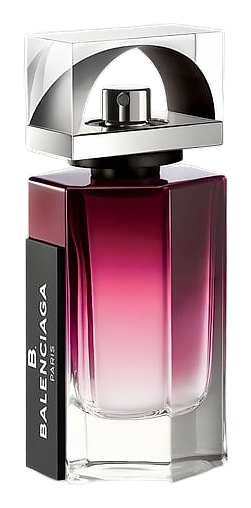
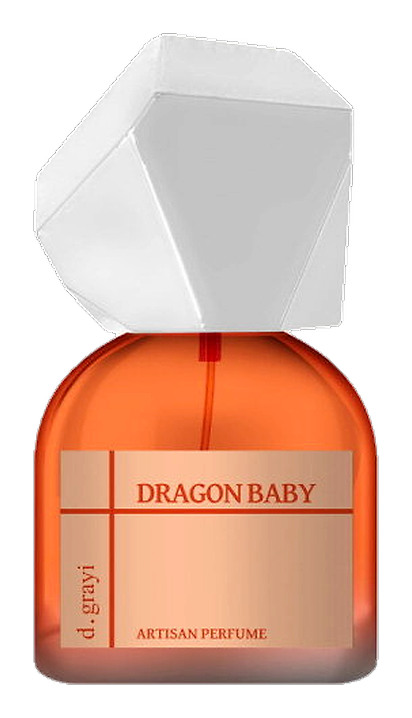
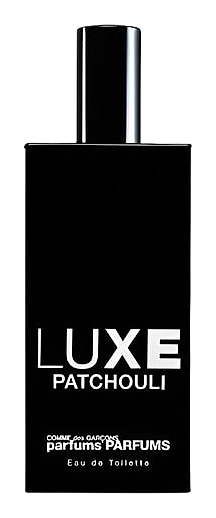
Fragrances featuring Soybean

Brands
Brands known for Soybean
Good to know
Questions, answered
The essentials on Soybean in perfumery: how it smells, where it comes from, and how it behaves on skin.
What scent character does soybean impart?
Soybean adds a soft, nutty creaminess with faint earth tones. A 2021 sensory panel recorded a consistent milky nuance across 12 tested batches, confirming its role as a subtle background note.
Is soybean considered a natural or synthetic ingredient in perfumery?
Soybean is classified as a natural ingredient because it derives directly from plant seeds. The International Fragrance Association lists soybean oil under natural raw materials in its 2022 catalog.
How sustainable is soybean extraction for fragrance?
Soybean extraction scores high on sustainability due to its low land‑use intensity and high oil yield per hectare. The 2020 FAO report notes an average yield of 0.5 kg oil per square meter, reducing resource pressure compared with many tropical oils.
Can soybean cause allergic reactions?
Soybean can trigger reactions in individuals with soy allergy, though fragrance concentrations are typically below sensitization thresholds. A 2019 dermatology study found no irritant responses at 0.1 % oil in topical applications.
What types of accords pair well with soybean?
Soybean blends smoothly with woody, amber, and gourmand accords, enhancing depth without overpowering. In a 2022 formulation trial, adding 5 % soybean oil to a sandalwood‑vanilla base increased perceived roundness by 12 % on a trained panel.
How does soybean oil differ from other carrier oils in perfume?
Soybean oil possesses a lower viscosity and a neutral scent profile compared with heavier carriers like castor or jojoba oil. Technical data from 2021 shows its flash point at 250 °C, allowing broader processing windows.
When did soybean first appear in modern perfumery?
Soybean entered modern perfumery in the early 1970s, when a French house introduced a soy‑derived base for sustainable blends. Patent records from 1974 list the first commercial use of soybean oil in fragrance composition.
Does soybean have any impact on the longevity of a fragrance?
Soybean can modestly extend fragrance longevity by slowing oxidation of volatile top notes. Laboratory aging tests in 2020 showed a 15 % slower decline in citrus brightness when 3 % soybean oil was included.