The Story
Why it exists.
The beginning
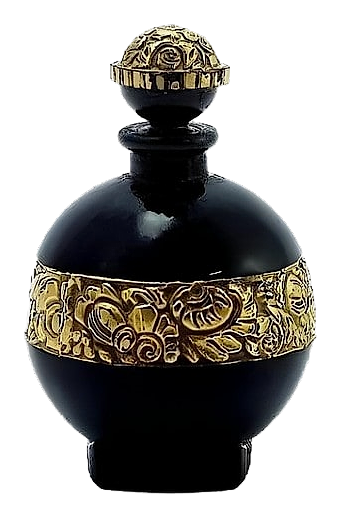
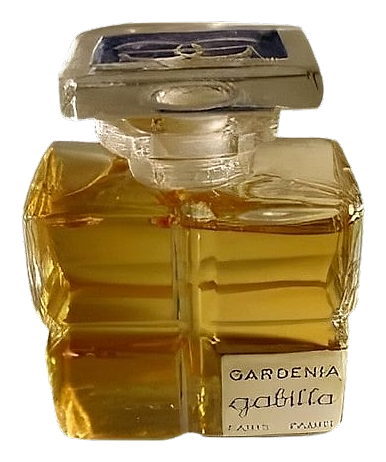
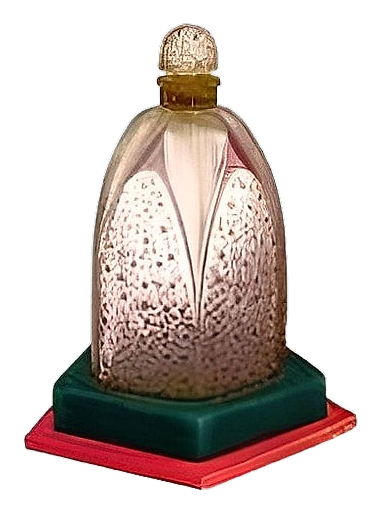
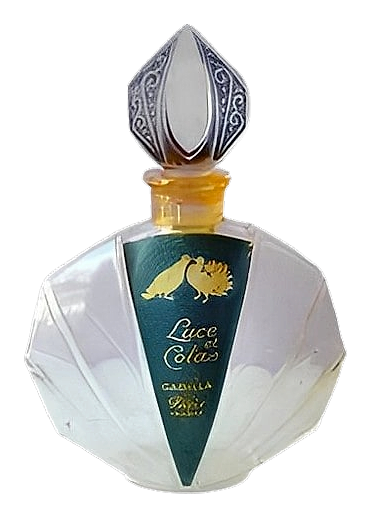
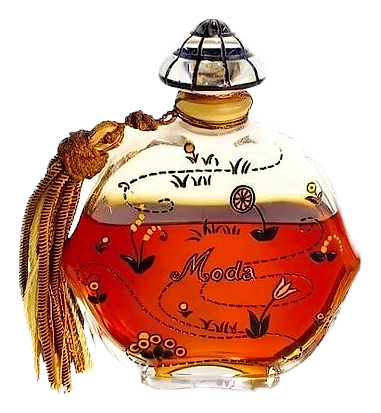
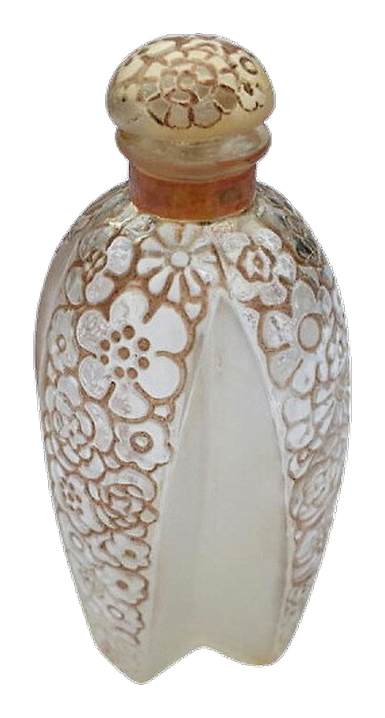
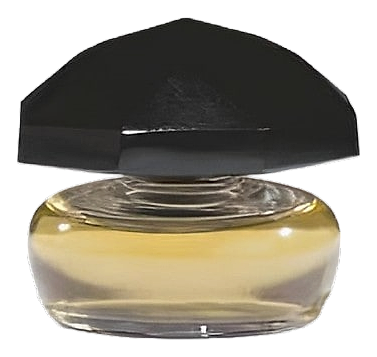
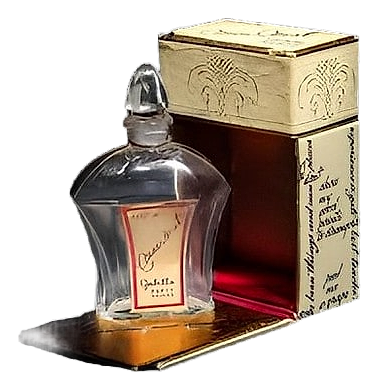
Parfum Mae West arrived in 1933, the work of Henriette Gabilla, the founder of her own Parisian house. By the early 1930s she had built a catalogue of refined compositions that marked her presence in the French perfume scene. This particular release carries the name of Mae West, a figure so widely known in her era that her very name carried weight at the perfume counter. Gabilla's choice to name a fragrance for her was a confident gesture, the perfumer placing her composition alongside a personality that needed no introduction. It was a quieter way of saying the fragrance could hold its own in any company, a piece of branding that lifts the bottle from mere toiletry into something with a story already attached.
The composition draws on a green-floral register that suits the playful character of its namesake. What makes this release distinctive is its confident sweetness, the way it leans into fruit and petal without losing its poise. A side of pink pepper lends a sting of unpredictability, the kind of detail tucked into a heart note to keep compositions from going soft. It is a 1933 take on flirtation, brewed by a woman who did not need permission from the fashion press to like what she liked.
The evolution
The first hour opens with citrus snap, the zest bright enough to cut through the sweetness underneath. Green notes rise quickly, lending weight and a certain garden-in-morning quality before the heart begins to settle. Around the second hour the fruit and floral register deepens, the pink pepper warming rather than stinging, a slow exhale into something rounder. The drydown is where this composition earns its keep: a soft musk-and-floral close that stays intimate against the skin. After 4-6 hours the citrus has long gone, but the green warmth persists well into evening. It does not shout. It does not project from across a room. What it does is whisper at close quarters and stay pleasant on a sweater the next morning. The musk that anchors the close carries a faint sweetness with it, the kind of trace that lingers on a lapel or scarf long after the perfume itself has softened into memory.
Cultural impact
Named for Mae West, Parfum Mae West draws a clear line back to the glamour and wit of the early twentieth century, and the fragrance leans into that tension with its bold green opening and soft, lingering base. Collectors of vintage perfumery tend to treat bottles like this as small artifacts, pieces of a vanished olfactory world. The scent reads as a curio, a flirtation with another era, and a reminder that perfumery once carried as much attitude as the personalities who wore it. The green-floral register feels period-true, the kind of composition that would have sat comfortably on a vanity in 1933 and still feels considered today.
The House
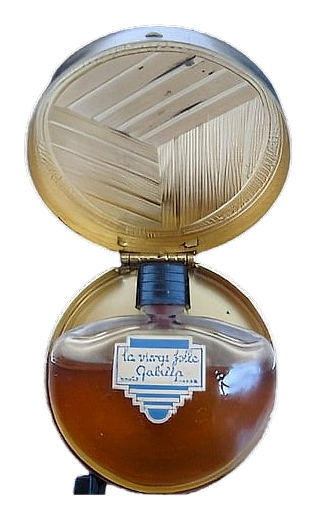
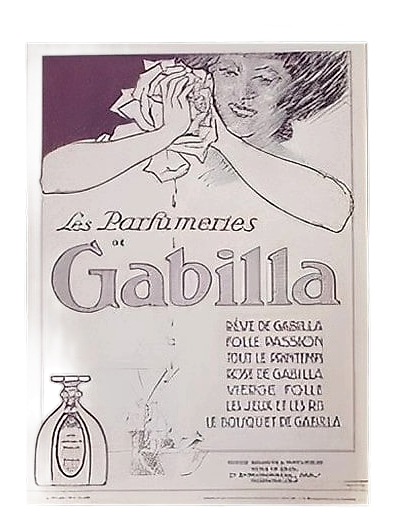
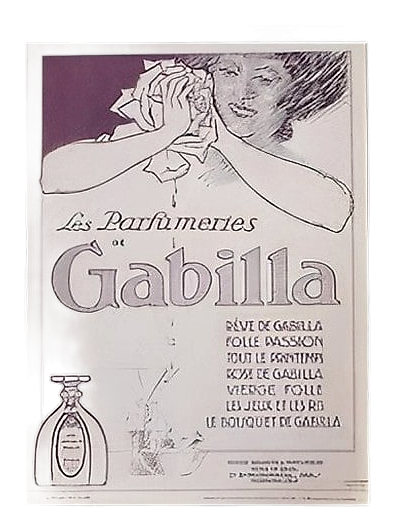
GabillaGabilla is a Parisian perfume house founded in 1910 by Madame Henriette Gabilla, a Syrian‑born pioneer who began blending scents in the late 1880s. Over five decades the atelier released more than eighty fragrances, many of which bear the year of their launch in their title. The brand’s catalogue reads like a chronicle of early‑20th‑century French perfume, with classics such as Violette (1912), Lilas (1922) and La Vierge Folle (1929) still cited by collectors. Gabilla’s legacy rests on a quiet confidence: a modest boutique on rue Edouard VII, a steady output of refined compositions, and a reputation built on craftsmanship rather than flash.
The Creator
Henriette GabillaGabilla favored layered constructions that unfolded over time. She began with a clear, luminous top, often built from citrus or green notes, then introduced a heart of rose, jasmine, or oud that lingered like a whispered secret.