The Story
Why it exists.
The beginning
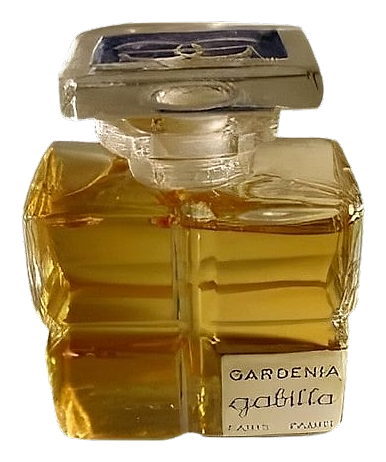
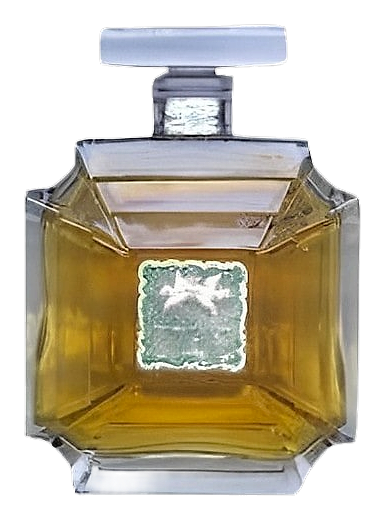
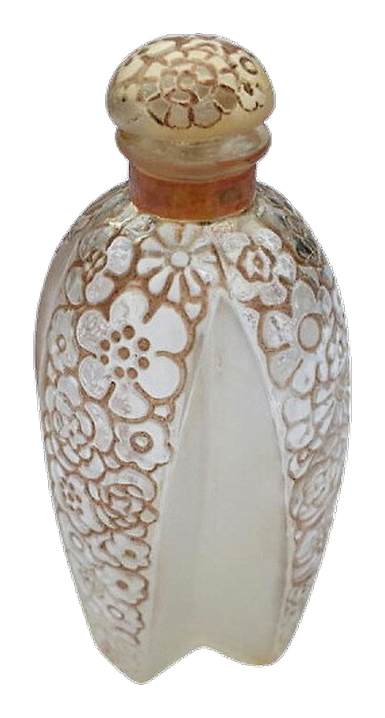
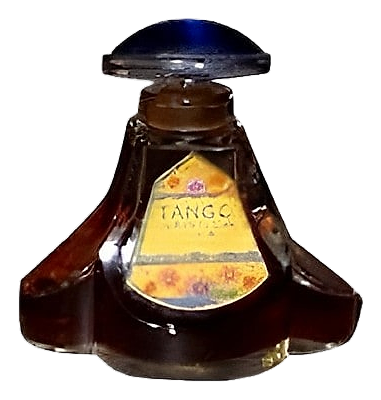
Tango landed in 1925, the work of Henriette Gabilla, the perfumer who had spent years shaping her craft in essential oils and accords. By the mid-1920s, her atelier was producing a steady stream of compositions, each one a small statement of intent. Tango arrived in that prolific stretch, joining Violette and Lilas in a catalogue that tracked the evolution of French perfume in real time. The name pointed to a fashionable moment in Paris, an idea borrowed from elsewhere and absorbed into the rhythm of the city's nightlife. Tango, with its soapy floral lift and its syrupy labdanum-and-date base, translated that feeling into something wearable, a scent of warmth held under polite restraint. It was an Eastern gesture wearing Parisian manners, and it caught on for exactly that reason.
The tango's pull had everything to do with contrast: propriety on the surface, intensity underneath. Gabilla's composition leans into that tension. Labdanum and dates give the base a syrupy, resinous weight that reads almost edible, while a soapy floral quality keeps the top clean enough to pass for polite company. The leathery undertone runs through both halves, a thread of dry animal warmth that prevents the syrup from turning cloying. It is a fragrance built on opposites that refuse to cancel each other out: sweetness held in check by soap, richness cut by something almost austere.
The evolution
Tango opens with a clean, slightly waxy lift, the kind of brightness that reads as freshly laundered linen catching afternoon light. The soapy floral arrives early and refuses to leave, threading through every stage like a watermark held against the paper of the composition. As the first minutes pass, the amber family begins to gather underneath, and labdanum thickens the air with a sticky, resinous warmth. Dates pull the base toward something spoonable, almost edible, the syrup deepening as the minutes stack up. Around the heart, the soapy floral and the labdanum spar gently, neither giving way, and the leathery note settles in as a binding thread, dry and a little smoky.
Cultural impact
When Tango debuted in 1925, Paris was deep in its soapy-mediterranean phase, a stretch when the city's perfumers were leaning into clean florals and warm resinous bases at once. The launch arrived squarely inside that conversation rather than beside it. Gabilla, still a relatively young house under Henriette Gabilla's direction, used Tango to stake out a position among the more literary perfumers of the era, the kind of houses that wrote bulletins with their bottles and treated each composition like a small editorial statement.
The House
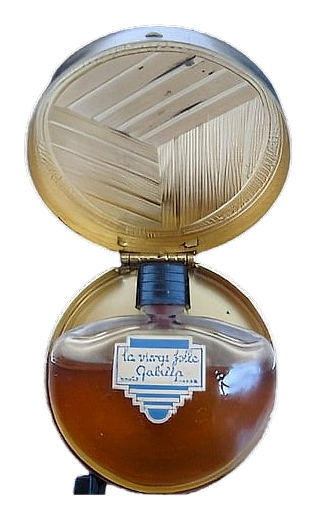
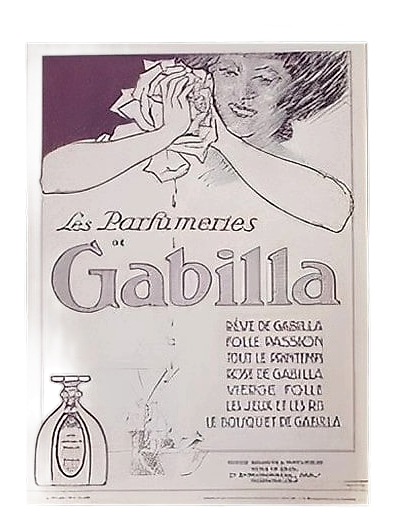
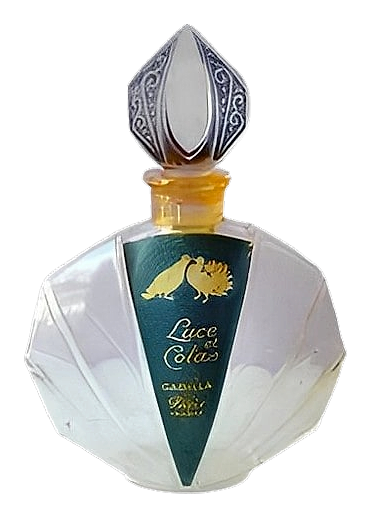
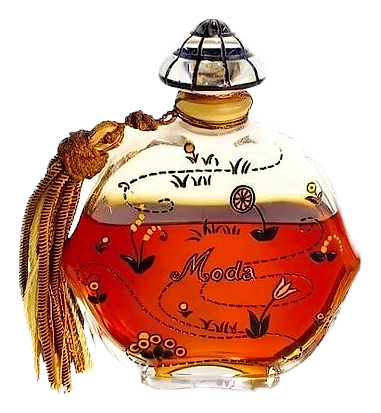
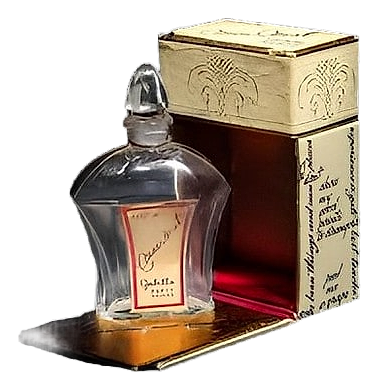
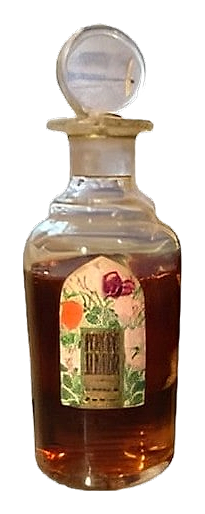
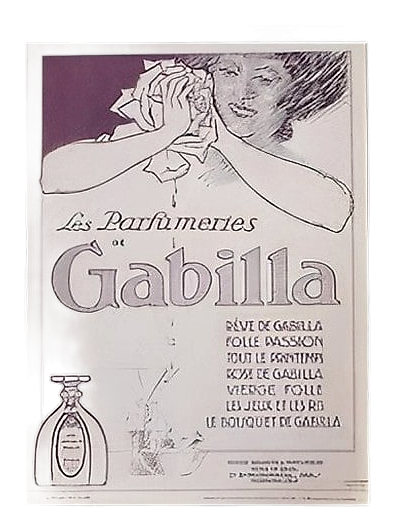
GabillaGabilla is a Parisian perfume house founded in 1910 by Madame Henriette Gabilla, a Syrian‑born pioneer who began blending scents in the late 1880s. Over five decades the atelier released more than eighty fragrances, many of which bear the year of their launch in their title. The brand’s catalogue reads like a chronicle of early‑20th‑century French perfume, with classics such as Violette (1912), Lilas (1922) and La Vierge Folle (1929) still cited by collectors. Gabilla’s legacy rests on a quiet confidence: a modest boutique on rue Edouard VII, a steady output of refined compositions, and a reputation built on craftsmanship rather than flash.
The Creator
Henriette GabillaGabilla favored layered constructions that unfolded over time. She began with a clear, luminous top, often built from citrus or green notes, then introduced a heart of rose, jasmine, or oud that lingered like a whispered secret.