The Story
Why it exists.
The beginning
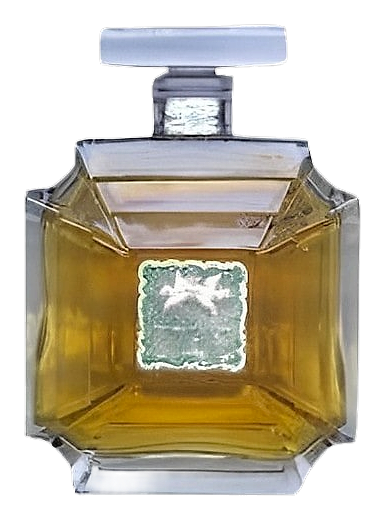
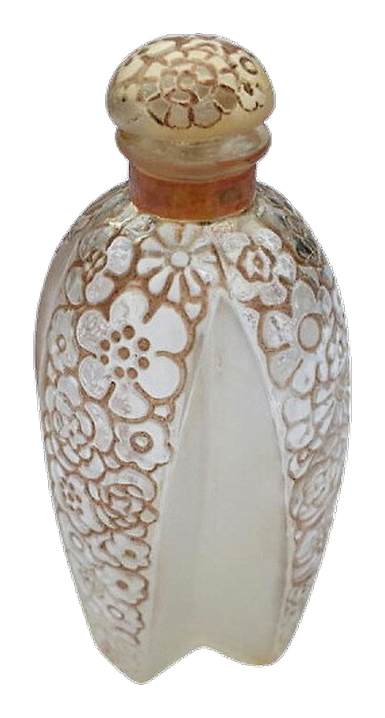
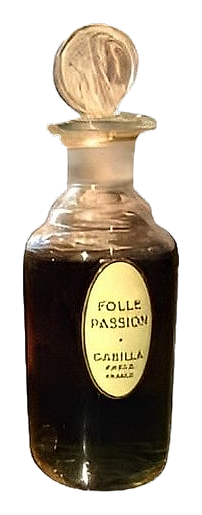
Folle Passion arrived in 1912 from the atelier of Henriette Gabilla, a perfumer whose name had already begun to circulate in certain circles well before this debut. Gabilla's house was still young at launch, the catalogue still finding its footing, yet there was already a restlessness in the output. Folle Passion belongs to that early wave, a composition that marked one of the first statements from a house still learning the weight of its own voice. The name itself reads almost confessional in French. Mad passion. Untamed feeling. But the formula stayed measured, and Gabilla trusted restraint, allowing the title to promise excess while the juice delivered something far more disciplined.
What makes Folle Passion worth pausing for is the tension inside its own name. Folle promises abandon. The accord delivers composure. A pure floral at a moment when other houses were beginning to experiment with new materials, Gabilla held true to powdery petals and traditional extraction methods. The composition reflects the house's stated belief that scent should echo a lived moment without demanding attention. No architectural claims designed to dominate a room. Just a floral that knows how to stay in its lane and make the lane worth visiting.
The evolution
The opening presents itself softly, like a petal unfolding rather than a fruit being sliced. There's a brief lift at the threshold, unforced and momentary, before the florals settle into their main conversation. Within twenty minutes, the composition turns inward. The initial brightness recedes. What replaces it is a softer, powdery warmth, the kind that clings to fabric and lingers in the folds of a scarf. By the second hour, the fragrance has moved from floral into something more intimate. It reads warmer, almost skin-like, with a faint sweetness that suggests the natural residue of dried petals rather than any added confection. The composition continues to compress as the hours pass, each stage drawing the scent closer to the body until it becomes less a perfume worn and more a memory carried.
Cultural impact
Folle Passion sits in a small category of early twentieth century florals whose appeal has only sharpened with time. It belongs to the same early-Gabilla cluster as Violette and Le Bouquet de Gabilla, fragrances that anchor the house's foundational catalogue and give it shape. The name itself, with its promise of madness and passion, sits in deliberate contrast to the composition's composure. That tension is part of what makes it worth knowing about, part of what continues to draw curious noses back to the bottle decades after its release.
The House
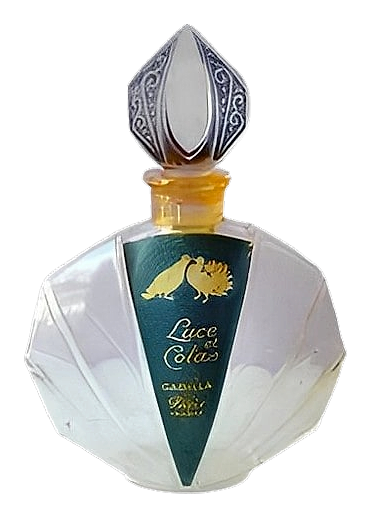
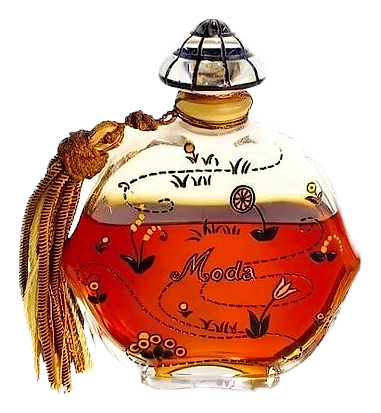
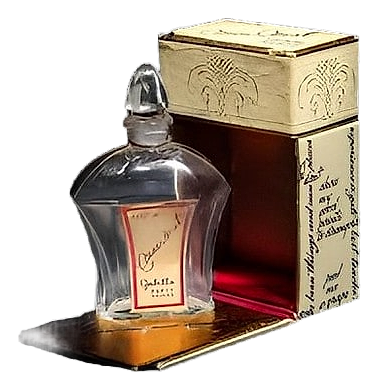
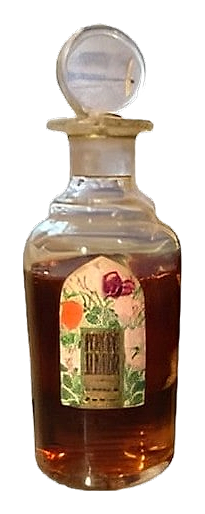
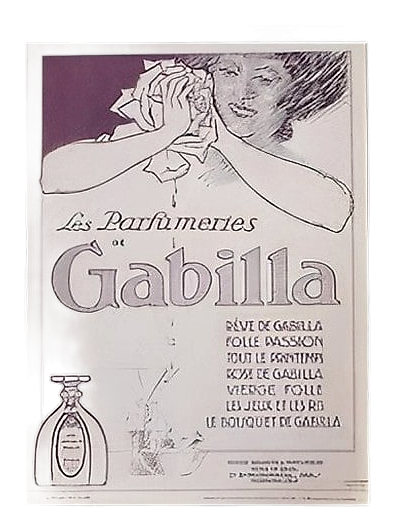
GabillaGabilla is a Parisian perfume house founded in 1910 by Madame Henriette Gabilla, a Syrian‑born pioneer who began blending scents in the late 1880s. Over five decades the atelier released more than eighty fragrances, many of which bear the year of their launch in their title. The brand’s catalogue reads like a chronicle of early‑20th‑century French perfume, with classics such as Violette (1912), Lilas (1922) and La Vierge Folle (1929) still cited by collectors. Gabilla’s legacy rests on a quiet confidence: a modest boutique on rue Edouard VII, a steady output of refined compositions, and a reputation built on craftsmanship rather than flash.
The Creator
Henriette GabillaGabilla favored layered constructions that unfolded over time. She began with a clear, luminous top, often built from citrus or green notes, then introduced a heart of rose, jasmine, or oud that lingered like a whispered secret.