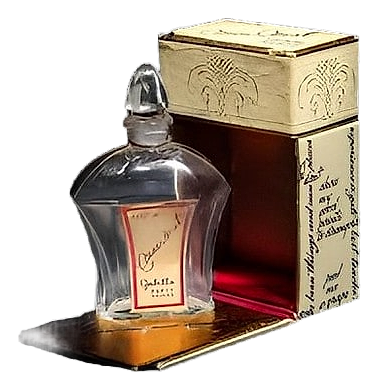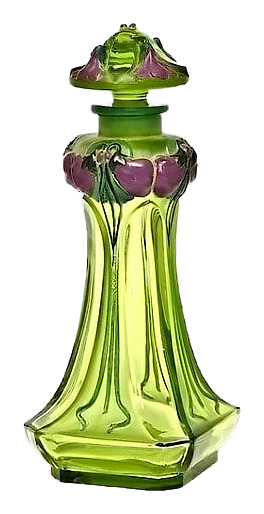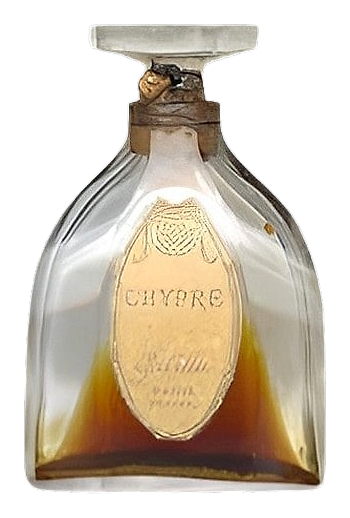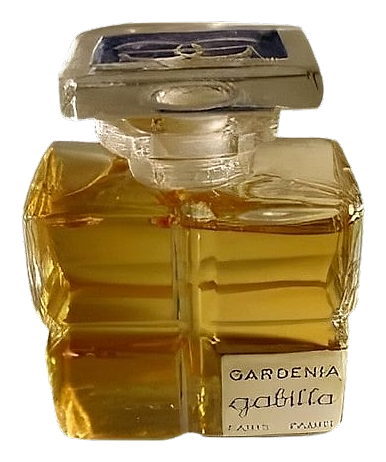
The Story
Why it exists.
The beginning
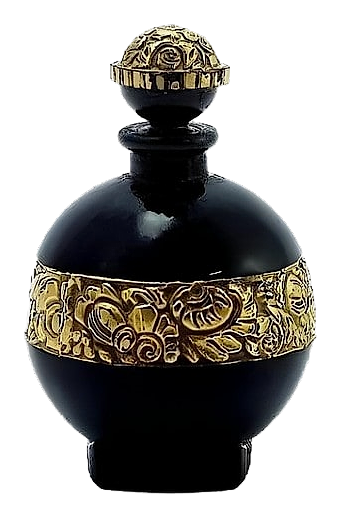
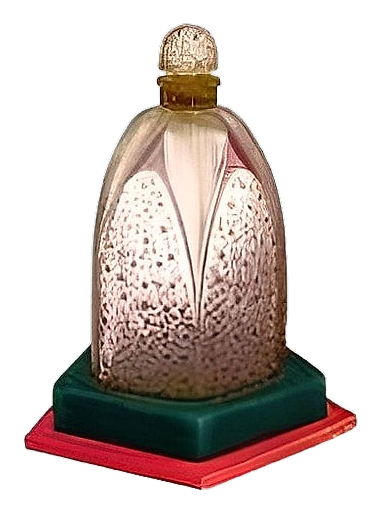
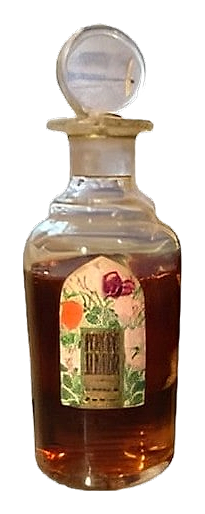
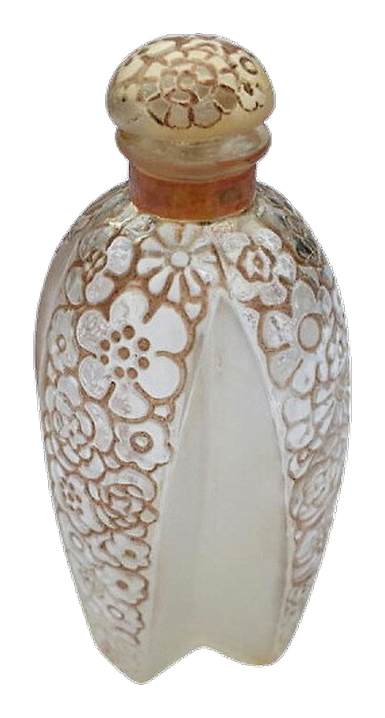
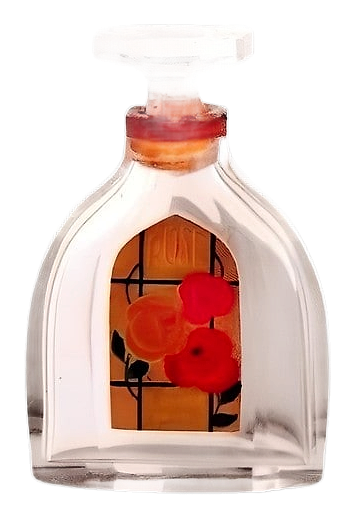
Henriette Gabilla released La Rose de Gabilla in 1912, and the composition marked a statement of purpose built to honor the flower that had long anchored French perfumery. The fragrance features Rose as its central material, set against a backdrop of floral and citrus accords that give the single bloom room to expand without crowding it. Rather than hiding behind spectacle, Gabilla composed with intention: the citrus brightens the edges, the floral accord cushions the petals, and the rose carries the whole structure on its own. The result reads as a quiet correction in a crowded field, a reminder that one flower, treated with respect and given space to breathe, can hold an entire composition without needing assistance.
What makes La Rose de Gabilla distinctive is what it refuses to do. The main accords read as rose, floral, and citrus, a triangle narrow enough to suggest intention rather than abundance. This was perfumery as Gabilla composed it: each ingredient earning its place through careful balance, nothing there for ornament. The rose sits at the center, the floral accord wraps around it like soft fabric, and the citrus lifts the whole arrangement so it never grows heavy.
The evolution
The opening belongs to rose, and it arrives with presence rather than hesitation. The flower announces itself with a density that feels grounded, carried forward by a citrus lift that keeps the petals from sinking into sweetness. The first impression is one of warmth meeting brightness in the same breath. As the composition moves forward, the rose settles into a warmer register, the citrus gradually receding while the floral accord softens the edges and adds a rounded depth. The base holds a quiet softness that wasn't announced but arrives anyway, the way good bases do, a final layer that clings to the skin and keeps the memory of the rose alive even after the top notes have passed. Longevity is moderate, the kind that lets you forget you're wearing anything at all until you catch a wisp of it on your wrist an hour later.
Cultural impact
A composition like this sits in an interesting place. Released in 1912, La Rose de Gabilla offers a portrait of rose framed by floral and citrus accords, a structure that reads as deliberate rather than decorative. The fragrance presents one flower as the main material, but the supporting accords give it dimension, keeping the composition from collapsing into a single dimension. Wearers who appreciate rose compositions often find that La Rose de Gabilla offers something specific: a treatment of the flower that balances softness with structure, sweetness with citrus lift.
The House
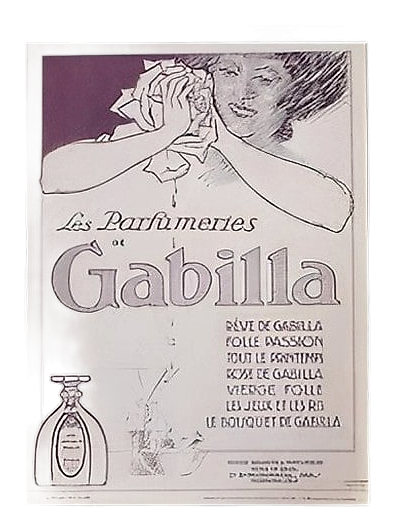
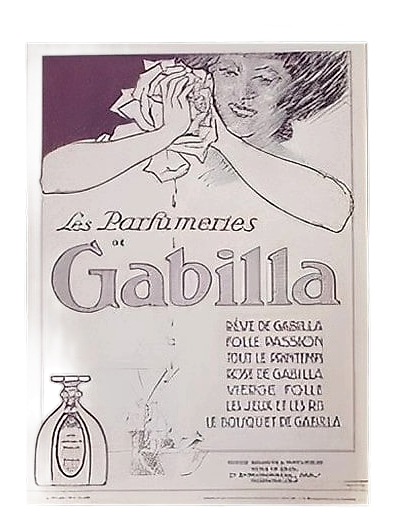
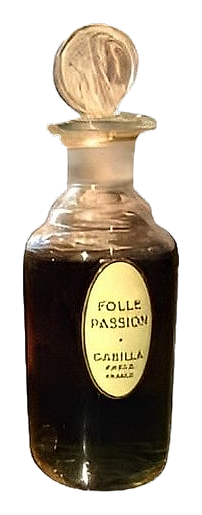
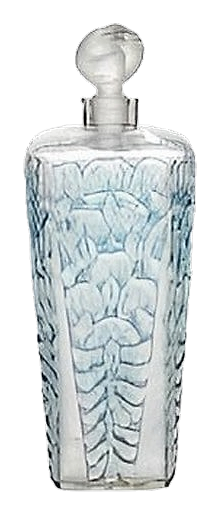
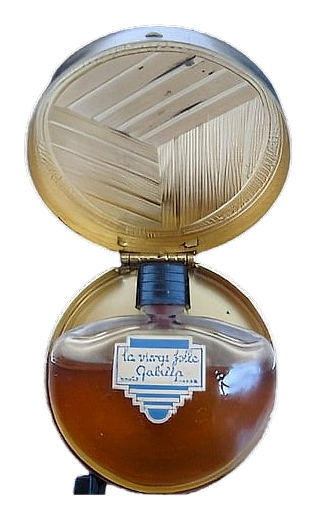
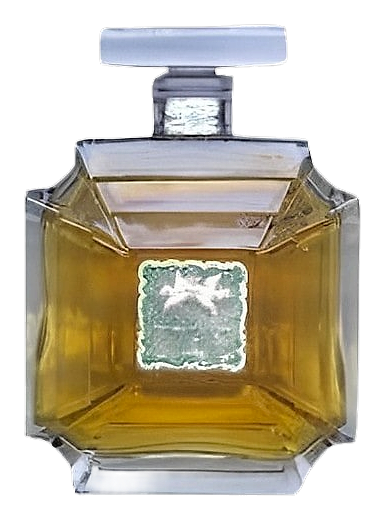
GabillaGabilla is a Parisian perfume house founded in 1910 by Madame Henriette Gabilla, a Syrian‑born pioneer who began blending scents in the late 1880s. Over five decades the atelier released more than eighty fragrances, many of which bear the year of their launch in their title. The brand’s catalogue reads like a chronicle of early‑20th‑century French perfume, with classics such as Violette (1912), Lilas (1922) and La Vierge Folle (1929) still cited by collectors. Gabilla’s legacy rests on a quiet confidence: a modest boutique on rue Edouard VII, a steady output of refined compositions, and a reputation built on craftsmanship rather than flash.
The Creator
Henriette GabillaGabilla favored layered constructions that unfolded over time. She began with a clear, luminous top, often built from citrus or green notes, then introduced a heart of rose, jasmine, or oud that lingered like a whispered secret.