The Story
Why it exists.
The beginning
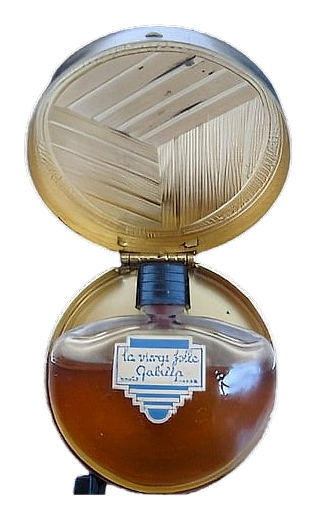
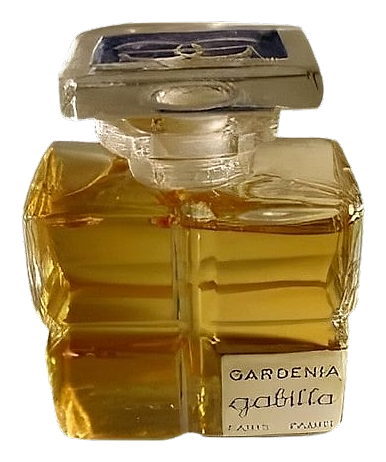
Gardenia belongs to the catalogue of Gabilla, a house whose name carries a quiet weight in the world of French perfumery. The composition is a soliflore, built around a single bloom given the full room to speak. That kind of editorial confidence runs through the brand's work, from compositions like Violette and La Vierge Folle, both popular entries in the line. Gardenia followed the same instinct, letting one flower carry the entire frame. The gardenia here reads as a creamy, almost edible white floral, dense and unmistakable, holding its shape close to the skin without dissolving into abstraction. It's the kind of fragrance that assumes the wearer already understands the flower and doesn't need a bouquet to soften the message.
White floral, lactonic, animalic, and green: those are the accord families Gardenia moves through, and each one leaves a clear fingerprint on the composition. The white floral and lactonic qualities dominate the centre, lending that buttery, creamy density the flower is loved for. But a green thread runs underneath, pulling the bloom away from confection and back toward something living, something cut from a stem rather than poured from a jar. The animalic facet is faint but deliberate, adding warmth and a skin-like quality that keeps the fragrance intimate rather than ornamental.
The evolution
Gardenia opens with a dewy, almost wet green that reads like the very first moment a bloom is touched, cool and vegetal, with a crispness that surprises before the flower arrives in full. The green is brief but grounding, setting the stage for what follows. Then the gardenia takes over, flooding the space with a creamy, buttery warmth that feels denser than the opening suggested. The lactonic quality settles in soon after, giving the impression of warm milk or coconut flesh without ever tipping into sweetness. The white floral accord blooms at the centre and holds there, steady and almost edible, with very little interruption. As the composition wears on, the green recedes and the animalic thread becomes more noticeable, lending a subtle warmth that reads more like skin than perfume. The gardenia softens but never disappears.
Cultural impact
Gardenia belongs to a quieter tradition in French perfumery, the soliflore that refuses to dress itself up. Its commitment to a single flower places it among compositions that assumed the wearer already knew what a gardenia smelled like and didn't need to be persuaded. There's a confidence in that kind of restraint, an editorial choice that trusts the material more than the market. It places the fragrance in conversation with the soliflore tradition itself, the kind of work that lets one bloom speak without interruption.
The House
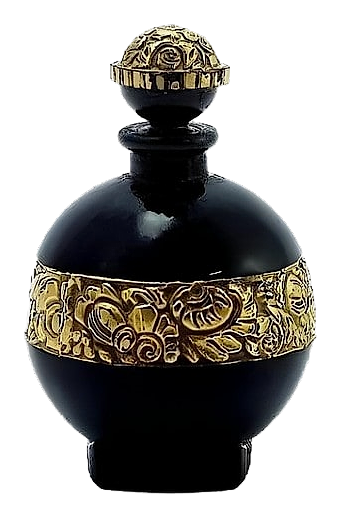
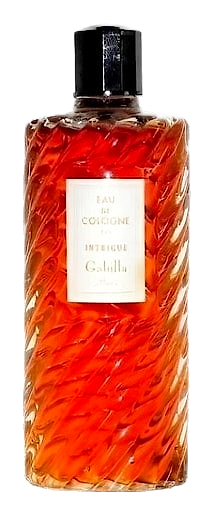
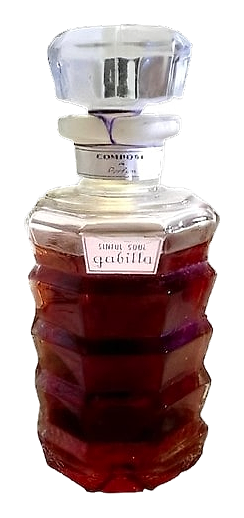
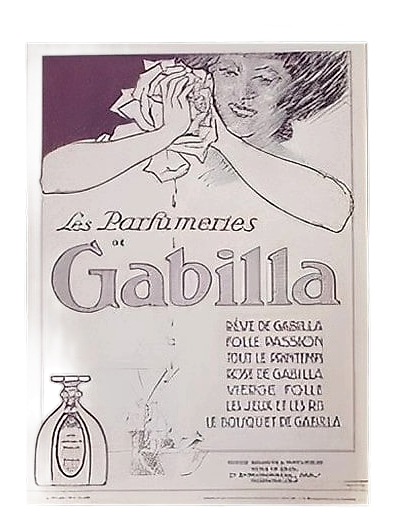
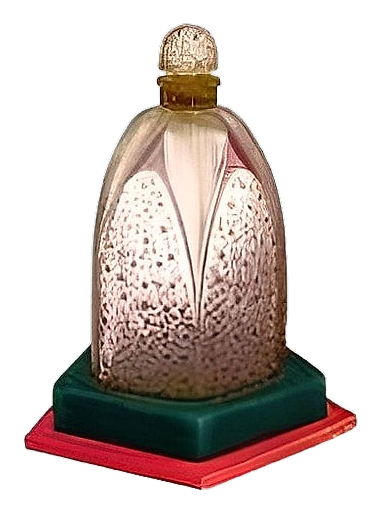
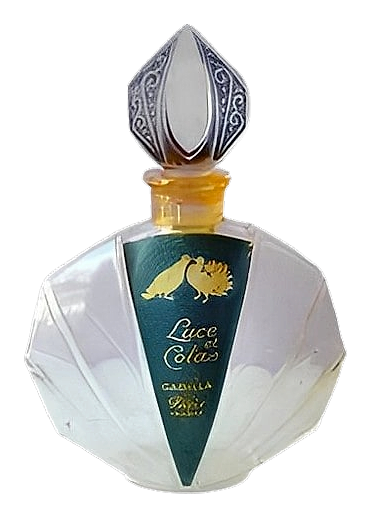
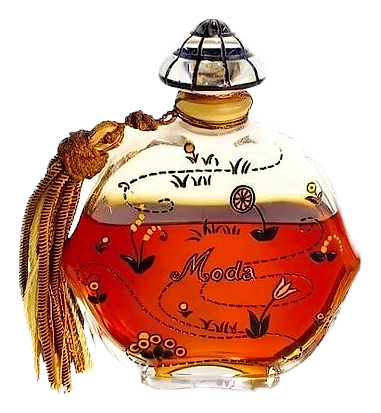
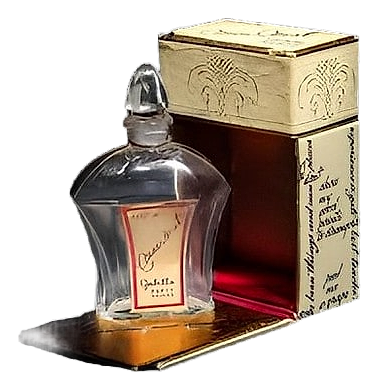
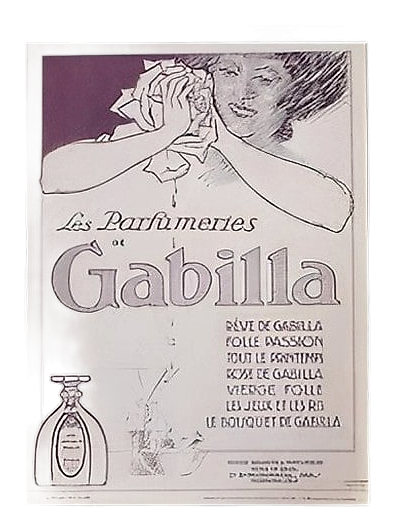
GabillaGabilla is a Parisian perfume house founded in 1910 by Madame Henriette Gabilla, a Syrian‑born pioneer who began blending scents in the late 1880s. Over five decades the atelier released more than eighty fragrances, many of which bear the year of their launch in their title. The brand’s catalogue reads like a chronicle of early‑20th‑century French perfume, with classics such as Violette (1912), Lilas (1922) and La Vierge Folle (1929) still cited by collectors. Gabilla’s legacy rests on a quiet confidence: a modest boutique on rue Edouard VII, a steady output of refined compositions, and a reputation built on craftsmanship rather than flash.
The Creator
Henriette GabillaGabilla favored layered constructions that unfolded over time. She began with a clear, luminous top, often built from citrus or green notes, then introduced a heart of rose, jasmine, or oud that lingered like a whispered secret.