Henriette Gabilla
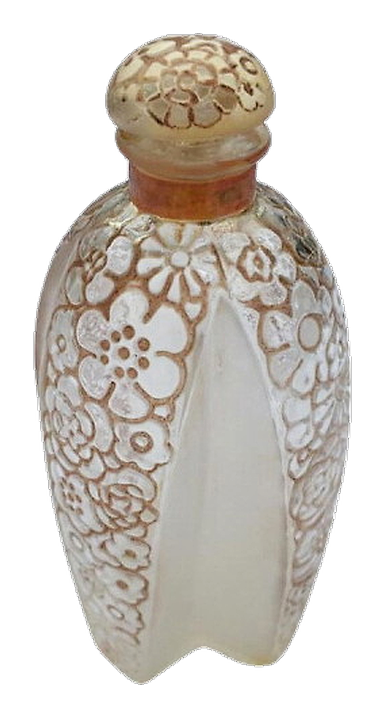
Henriette Gabilla arrived in Paris from Syria with a notebook of scent ideas and a determination to break the glass ceiling of a male‑dominated craft. She began blending in 1890, experimenting in a modest studio before opening her own boutique at 6 rue Edouard VII in 1910. The shop quickly became a salon where aristocrats and artists sampled her daring compositions. Over five decades she released more than eighty fragrances, each presented with a ceremony that highlighted the perfume’s story. Between 1915 and 1927 she partnered with Baccarat, commissioning crystal flasks that turned each bottle into a work of art. Inspired by the bold marketing of Coty, Gabilla expanded her reach, selling eighty‑six distinct scents worldwide in just twelve years. Her relentless curiosity and business acumen earned her the title of the first female perfumer in history, a milestone that still resonates in today’s industry.
The hits
Notable creations

The signature
How Henriette composes
Gabilla favored layered constructions that unfolded over time. She began with a clear, luminous top, often built from citrus or green notes, then introduced a heart of rose, jasmine, or oud that lingered like a whispered secret. Her bases leaned heavily on amber, sandalwood, and musk, giving each perfume a warm, lingering finish. She pioneered the use of crystal and cut‑glass bottles, believing that the visual clarity of the container amplified the scent’s purity. Throughout her career she returned to a handful of trusted raw materials, allowing subtle variations to keep each new release fresh while maintaining a recognizable signature.
Philosophy
What drives Henriette
Gabilla believed that a perfume should capture a moment and preserve it for the senses. She treated each ingredient as a memory, selecting raw materials that evoked a specific place or feeling. Rather than chasing trends, she let the character of a flower, a resin, or a spice dictate the structure of a scent. She trusted the chemistry of the lab but never let it override intuition. For her, the act of creation was a dialogue between the nose and the heart, a quiet conversation that demanded honesty and patience.
The houses
Maisons Henriette composes for
In the same league