The Story
Why it exists.
The beginning
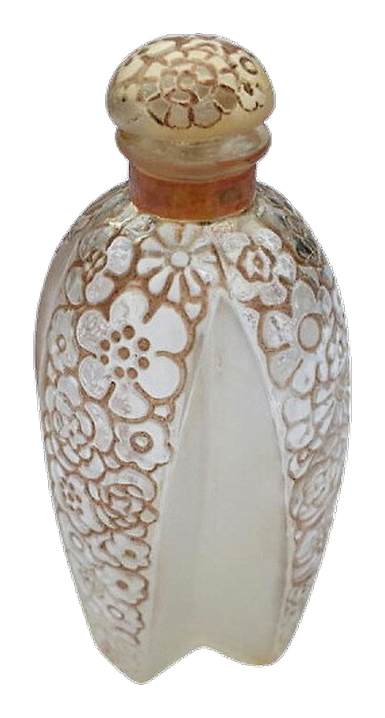
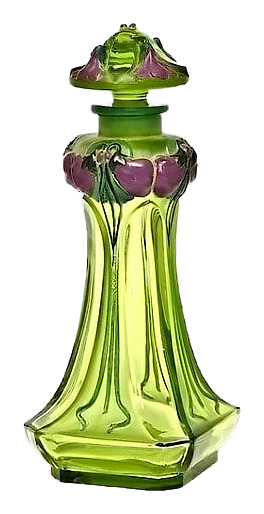
Violette arrived in 1912, one of the early compositions bearing the name of Henriette Gabilla. She named the fragrance after the violet, a flower that already carried centuries of European perfume vocabulary behind it. Gabilla's interest, though, was less in tradition and more in the flower's quieter register. The violet leaf's green earthiness. The powder that rises from crushed petals. The sense of something grown close to the ground. The composition leans into understatement from the first breath. There is no sharp citrus to cut through the softness, no bright bergamot to lift the opening, no animalic warmth to add weight. Just violet, handled with the kind of attention that treats a single material as worthy of an entire composition.
What's interesting about a violet-centered composition from 1912 is the restraint it requires. Violet is one of those materials that can easily disappear into powder and sweetness if a perfumer lets it. The flower absolute carries an almost confectionary softness, and the leaf offers a dewy green counterweight that has to be handled carefully or it tips into cucumber. A composition built on violet alone is really a composition built on the tension between those two poles.
The evolution
The first thirty minutes are the softest the fragrance will ever be. Violet opens with that characteristic hush, the powdery, almost soapy sweetness of fresh petals crushed between fingers. There's a coolness underneath, a faint green shimmer that keeps things from tipping into full sweetness. It doesn't sparkle. It just settles. Somewhere in the second hour, the base registers begin to rise. What was a whisper becomes a murmur. The powder deepens into something warmer, almost waxy, with a dry woody edge that grounds the composition. The old wood quality comes through here, not as a dominant note but as a structural support, the way old floorboards hold up a room without drawing attention to themselves. There's also a trace of something that reads as imitation vanilla, that particular warm, slightly synthetic sweetness that has its own kind of nostalgia baked into it.
Cultural impact
Violette sits among the early floral compositions bearing the Gabilla name. It's a fragrance that takes the violet, a flower with deep roots in European perfumery, and treats it as a complete composition rather than a note in a larger structure. The 1912 date places it at a moment when violet already had a long history in the perfume vocabulary, and Gabilla's approach to the material was characteristically understated. Violette doesn't announce itself. It simply exists, close to the skin, asking only to be noticed by someone already paying attention.
The House
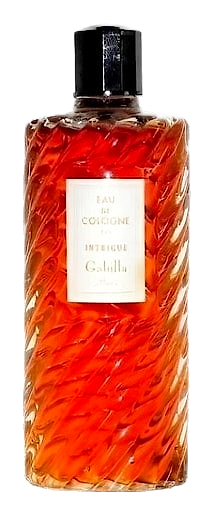
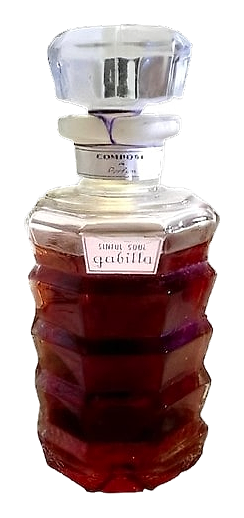
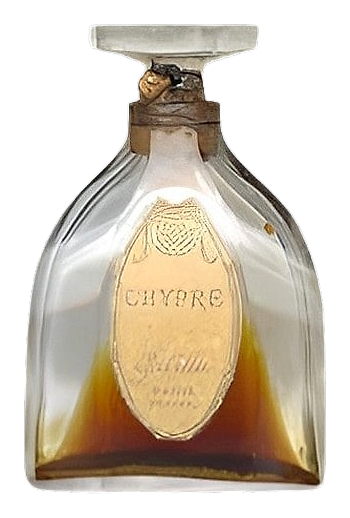
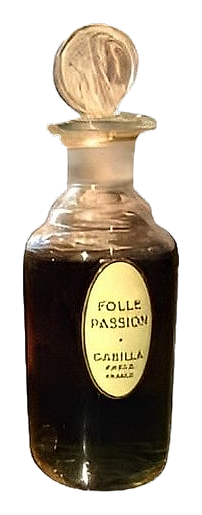
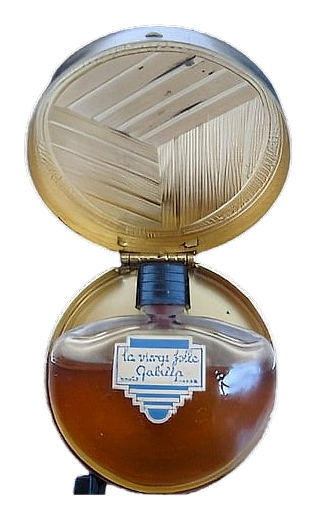
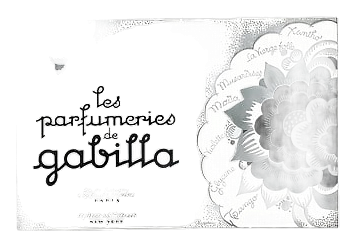
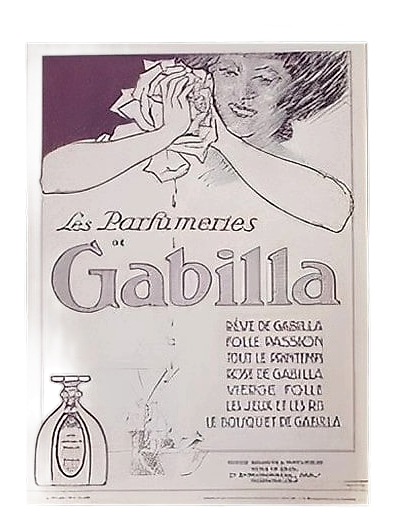
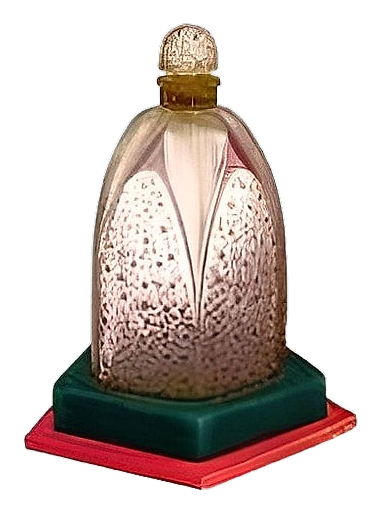
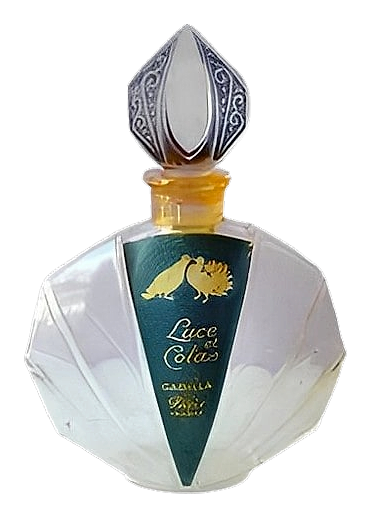
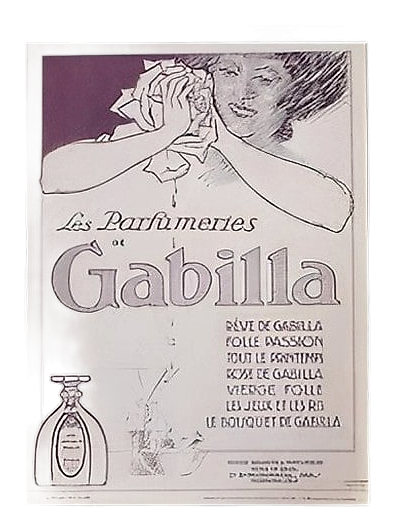
GabillaGabilla is a Parisian perfume house founded in 1910 by Madame Henriette Gabilla, a Syrian‑born pioneer who began blending scents in the late 1880s. Over five decades the atelier released more than eighty fragrances, many of which bear the year of their launch in their title. The brand’s catalogue reads like a chronicle of early‑20th‑century French perfume, with classics such as Violette (1912), Lilas (1922) and La Vierge Folle (1929) still cited by collectors. Gabilla’s legacy rests on a quiet confidence: a modest boutique on rue Edouard VII, a steady output of refined compositions, and a reputation built on craftsmanship rather than flash.
The Creator
Henriette GabillaGabilla favored layered constructions that unfolded over time. She began with a clear, luminous top, often built from citrus or green notes, then introduced a heart of rose, jasmine, or oud that lingered like a whispered secret.