
The Story
Why it exists.
The beginning
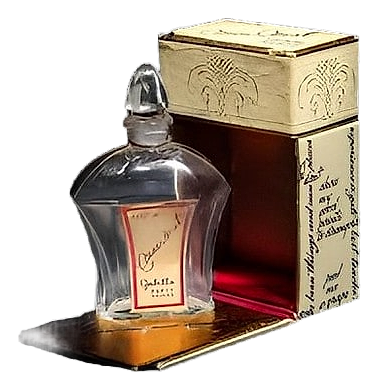
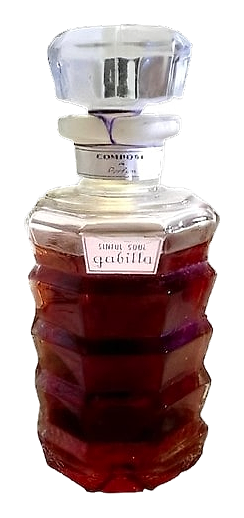
Henriette Gabilla released Sinful Soul in 1934, a composition that stands as one of the more curious entries in her catalogue. The fragrance emerged from a period when her hand had been steadily developing, each release refining an approach that valued nuance over noise. Gabilla's compositions tended toward the personal and the particular, a perfume understood as an echo of a lived moment, intimate rather than declarative. The name itself reads as a quiet provocation: not 'sin' as scandal, but as the private kind, the unspoken appetite. There's a modesty to the title that suggests the fragrance within will follow the same logic, offering something felt rather than announced.
What distinguishes this composition is its opening: an apple-forward brightness that most early-1930s florals didn't attempt. That apple reads almost edible at first, then sharpens into something closer to a green apple still on the branch, tart and vegetal rather than sweet. The sensation is immediate and recognizable, a fruit note that refuses to soften into the usual confection. That brightness doesn't vanish. It thins, but it stays present through the heart, lending a crispness beneath whatever florals sit in the middle.
The evolution
The first 30 minutes are about that apple, bright, almost sharp, leaning toward a green rind rather than flesh. Around 45 minutes in, the green notes deepen and the herbal register rises: something almost camphoraceous lifts the composition, cooling it rather than warming it. By the second hour the florals begin to surface. The drydown settles into a quieter herbal-musky shadow that lingers on skin. What's surprising is how the green-apple top refuses to fully disappear; a faint fruit sharpness survives under the base, giving the late stage an unexpected lift that belongs more to the opening than the close. This persistence of the opening note through every phase of wear is what makes Sinful Soul feel composed rather than constructed. The apple doesn't simply hand off to the florals and retire; it watches, and occasionally interjects.
Cultural impact
Sinful Soul occupies an unusual place in early-1930s French perfume. The composition deviates from the expected, built around an apple-forward character that gives it a profile difficult to mistake for anything else from Gabilla's catalogue. Vintage bottles surface occasionally, and the fragrance is recognized by those who encounter it for its persistent green character, a quality that sets it apart from the more conventional florals and orientals of its period. That deviation is part of why the fragrance continues to draw attention.
The House
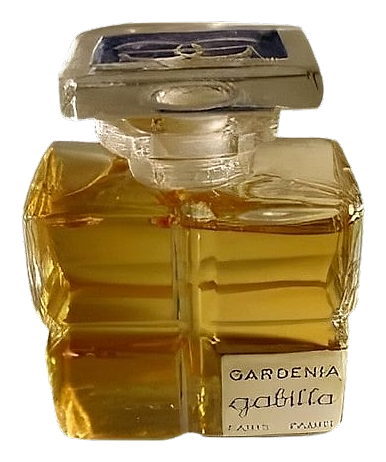
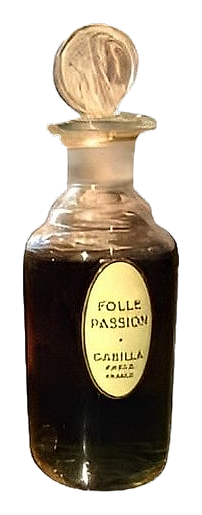
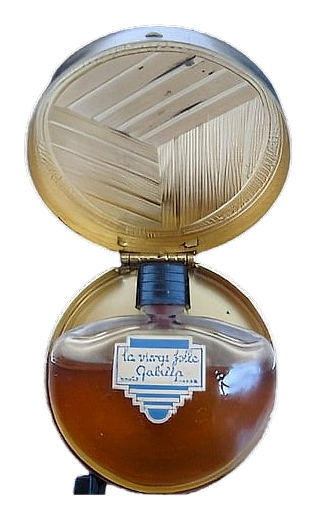
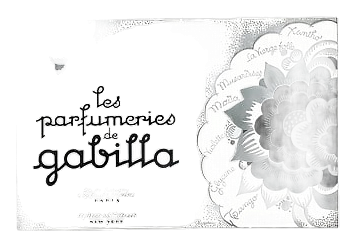
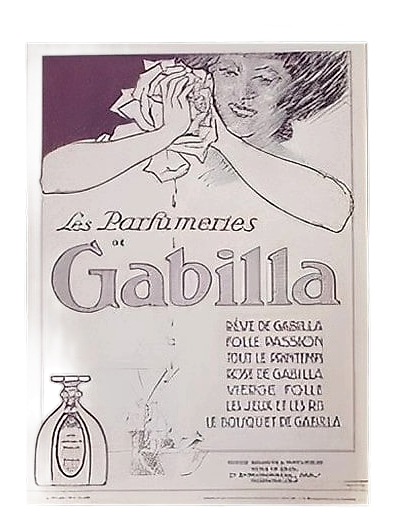
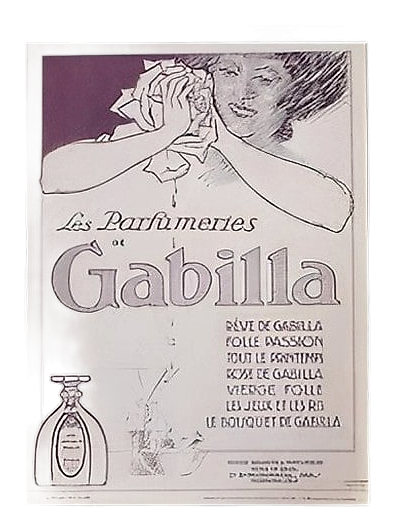
GabillaGabilla is a Parisian perfume house founded in 1910 by Madame Henriette Gabilla, a Syrian‑born pioneer who began blending scents in the late 1880s. Over five decades the atelier released more than eighty fragrances, many of which bear the year of their launch in their title. The brand’s catalogue reads like a chronicle of early‑20th‑century French perfume, with classics such as Violette (1912), Lilas (1922) and La Vierge Folle (1929) still cited by collectors. Gabilla’s legacy rests on a quiet confidence: a modest boutique on rue Edouard VII, a steady output of refined compositions, and a reputation built on craftsmanship rather than flash.
The Creator
Henriette GabillaGabilla favored layered constructions that unfolded over time. She began with a clear, luminous top, often built from citrus or green notes, then introduced a heart of rose, jasmine, or oud that lingered like a whispered secret.