The Story
Why it exists.
The beginning
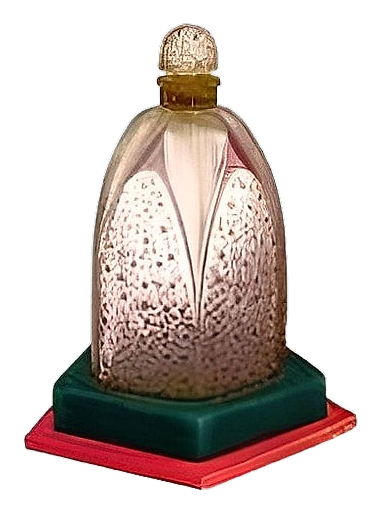
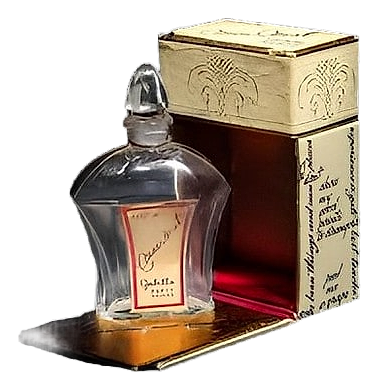
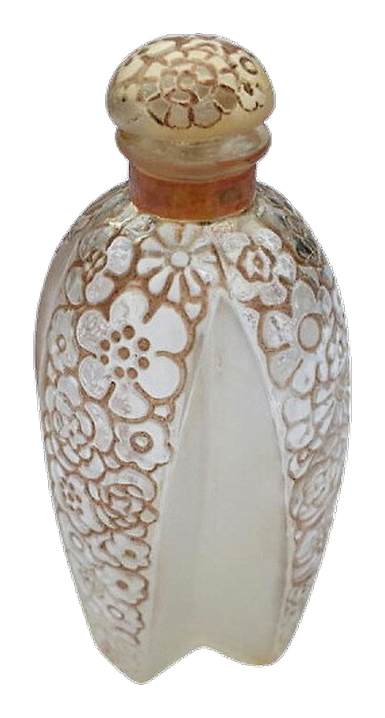
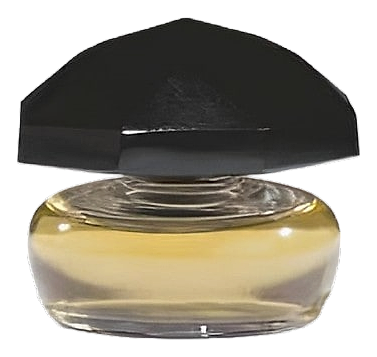
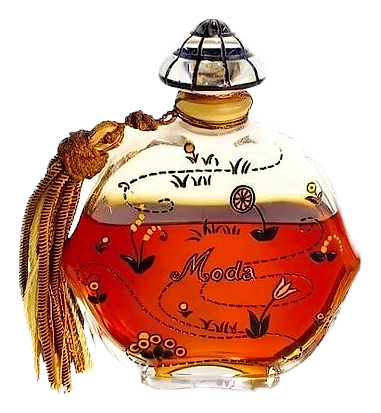
Moda arrived in 1918 from the atelier of Henriette Gabilla. What survives from that moment is little beyond the scent itself. Gabilla didn't keep detailed records of which customers asked for it first, or which occasions it was made to suit, and no entry in the surviving house papers traces the exact commission or the mood that prompted it. What endures is a sweet, uncomplicated confection, a composition that asks almost nothing of the wearer and offers a great deal in return. On skin it reads immediately accessible, the kind of fragrance that doesn't demand a season, a dress code, or an occasion to justify itself. The opening pour is generous in a way most period fragrances aren't. It doesn't withhold, doesn't build toward a reveal, doesn't ask you to be patient.
What's curious about Moda is how defiantly unserious it is, and how that lightness sits inside the house's overall catalogue of more considered work. Surrounded by compositions built for slower listening, by florals that demand a still room and an unhurried wrist, Moda behaves like a bright interruption. The contrast says something about Henriette Gabilla's confidence as a perfumer, that she didn't need every release to carry the weight of an argument. Some compositions can simply exist as pleasure, and a house with real range lets itself prove that.
The evolution
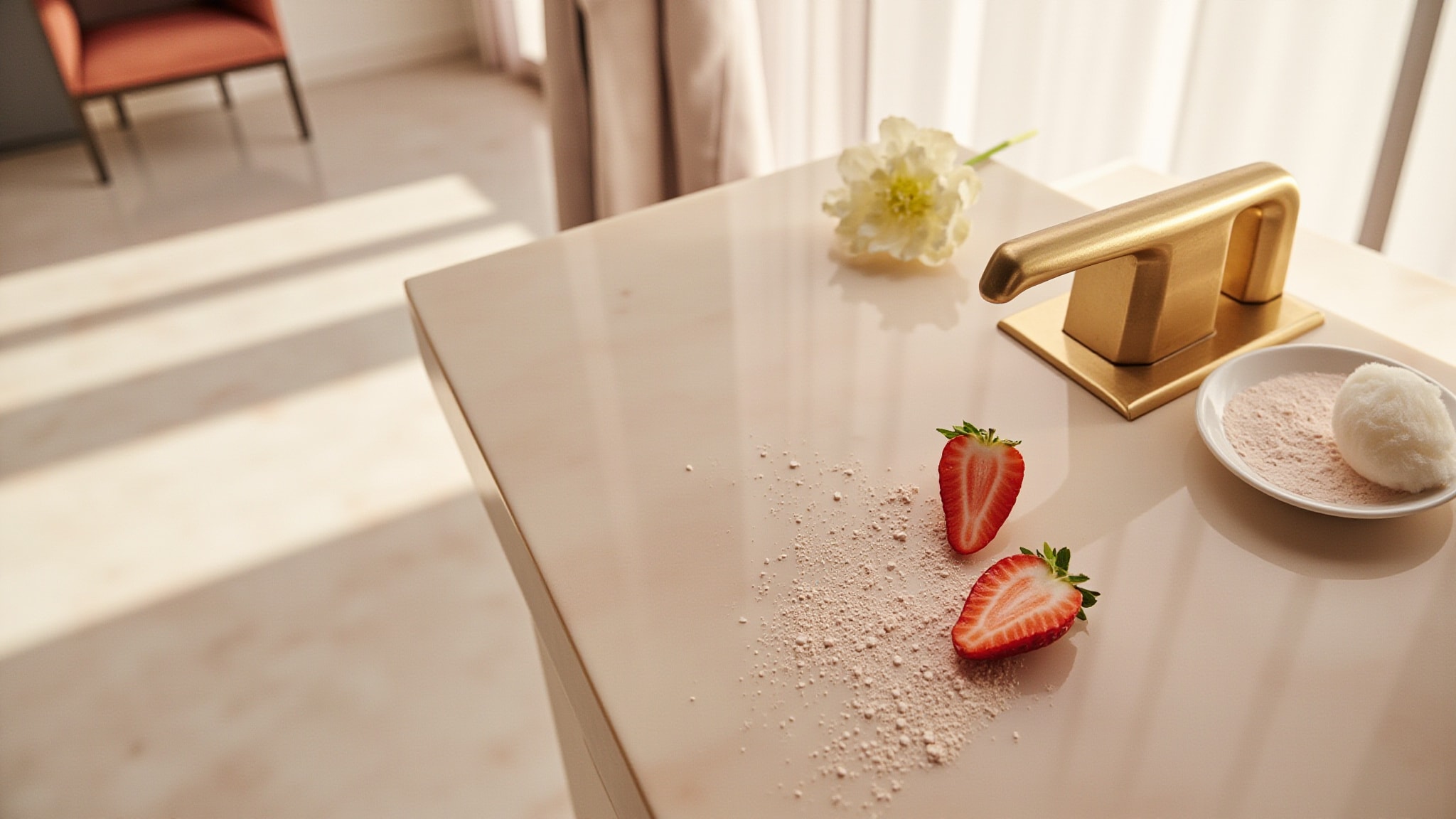
The first hour is a rush of sweetness, almost aggressively cheerful, like biting into a candied fruit and getting more sugar than you bargained for. Whoever wore this in 1918 was making a statement. There's no pretense of subtlety in the opening. It announces. Then, slowly, something warmer moves in underneath. The sweetness rounds out, loses its sharp edges, and begins to read less like candy and more like skin that happens to smell good. The drydown is where Moda surprises anyone who dismissed it as a one-note novelty. What remains on fabric the next morning is a soft warmth with a ghost of that earlier sweetness still hovering at the edges. Over the course of a wearing, the fragrance softens and broadens, the initial sugar settling into a quieter register, less a perfume you're wearing and more a scent you've become.
Cultural impact
Moda occupies an unusual corner of the Gabilla catalogue. It is the one you wear when you'd rather be charming than impressive, the composition that smiles back at you rather than asking you to take notes. For collectors, it remains the house's reminder that Gabilla could write in any register she chose, that the same hands responsible for the more serious work could also turn out something this unapologetically sweet, this uncomplicated, this willing to be loved for exactly what it is.
The House
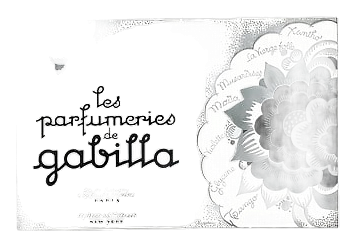
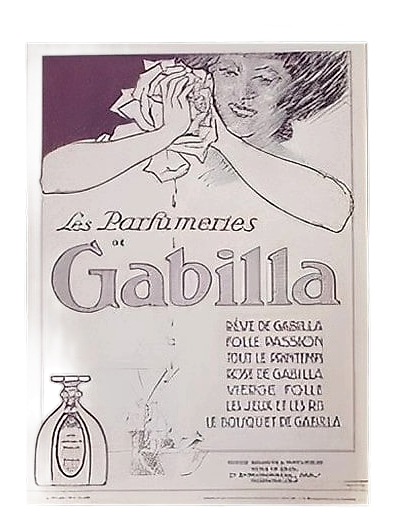
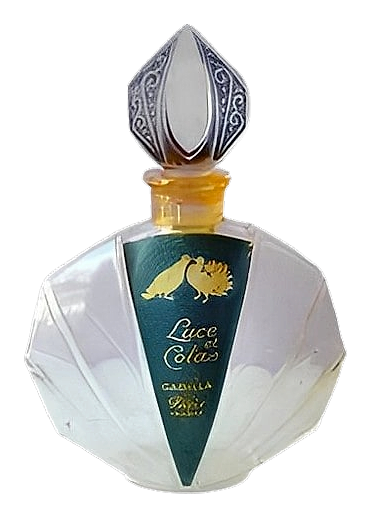
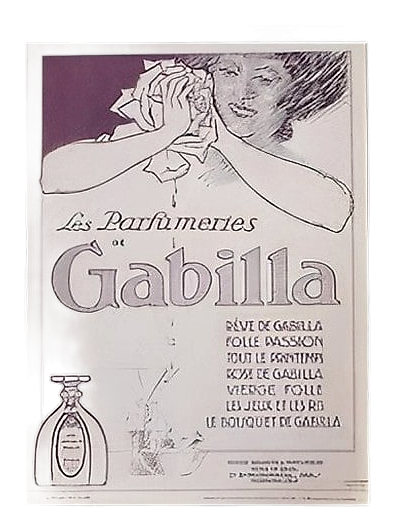
GabillaGabilla is a Parisian perfume house founded in 1910 by Madame Henriette Gabilla, a Syrian‑born pioneer who began blending scents in the late 1880s. Over five decades the atelier released more than eighty fragrances, many of which bear the year of their launch in their title. The brand’s catalogue reads like a chronicle of early‑20th‑century French perfume, with classics such as Violette (1912), Lilas (1922) and La Vierge Folle (1929) still cited by collectors. Gabilla’s legacy rests on a quiet confidence: a modest boutique on rue Edouard VII, a steady output of refined compositions, and a reputation built on craftsmanship rather than flash.
The Creator
Henriette GabillaGabilla favored layered constructions that unfolded over time. She began with a clear, luminous top, often built from citrus or green notes, then introduced a heart of rose, jasmine, or oud that lingered like a whispered secret.