
The Story
Why it exists.
The beginning
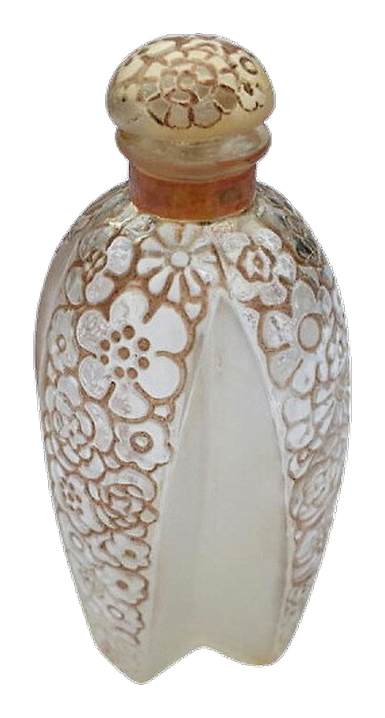
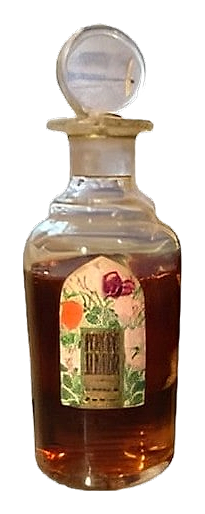
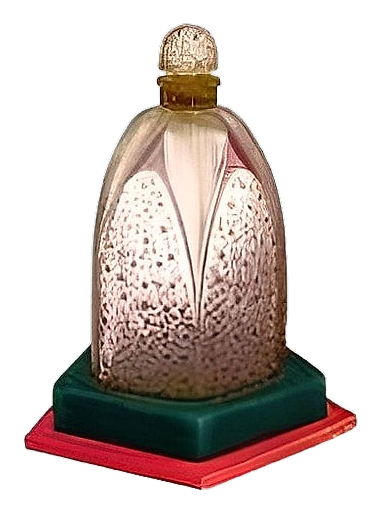
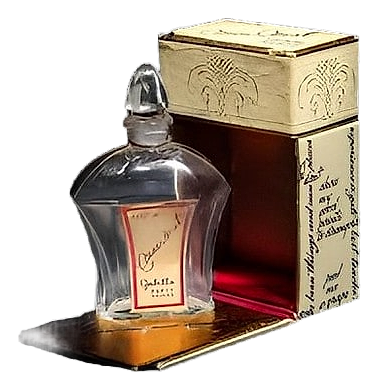
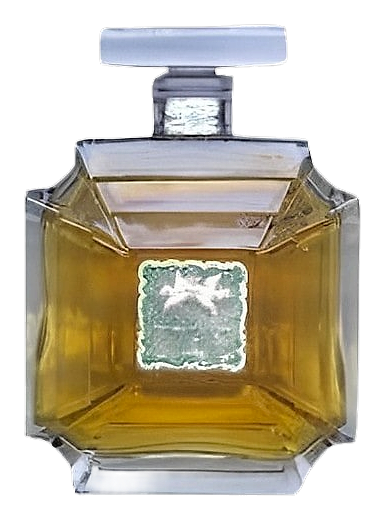
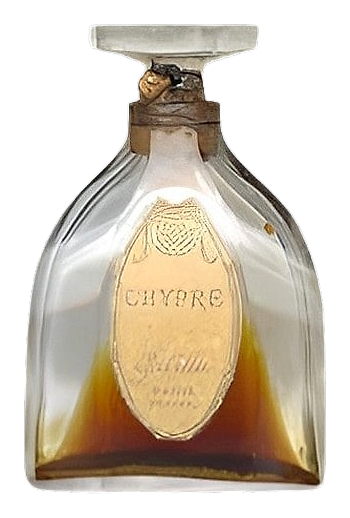
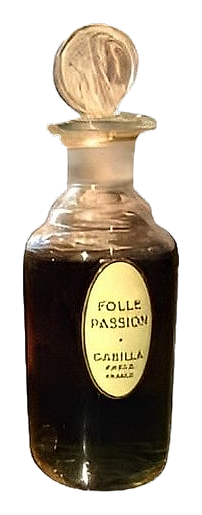
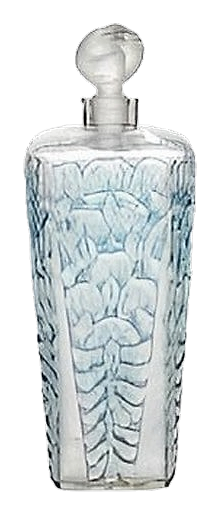
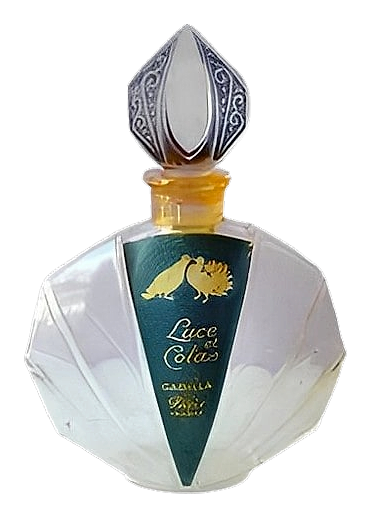
In 1924, Henriette Gabilla added another entry to a perfumer's working record, one that already contained a small body of work by that point. Luce et Colas arrived in a year when the perfumer was still shaping an approach, one that favored clarity over weight, and a kind of quiet coolness that lingered in the air rather than announcing itself. The name itself, while its exact meaning is not documented in available sources, evokes something pale and bright, qualities that wearers have noted in the composition itself. Gabilla's documented work as a perfumer goes back further than this single release, and the restraint that defines Luce et Colas reads less like a stylistic choice and more like a habit of working.
What makes Luce et Colas worth a second look is the way it holds itself in space. There is no single exotic material driving the composition forward, no showstopper note demanding your attention. Instead, the fragrance offers a precise, almost sparse arrangement, and that spareness is what makes it memorable. One wearer described it as reminiscent of snow in New York, a detail that captures the chill, the brightness, the way it seems to belong to a particular kind of cold, clean light. Another noted its ethereal quality, a word that suits it well.
The evolution
The opening arrives almost unexpectedly clean. There is a bright, almost mineral flash at the very top, the kind of cool shimmer that catches you before you have time to name it. There is no overt sweetness here, no dense floral curtain, no boozy warmth to settle into. Instead the first thirty minutes feel like stepping into a room with tall windows in February, bright but not warm, a kind of clean chill that does not bite. As that initial brightness recedes, a pale floral heart surfaces, something powdery rather than petal-fresh, something that reads more like atmosphere than bloom. The composition never fully surrenders its coolness. It simply lets the sharper edges soften into a more diffuse glow, and the temperature shifts by only a degree or two. After some time, the base settles into a quiet warmth close to the skin, a soft, pale presence that does not project far.
Cultural impact
Luce et Colas sits quietly within its perfumer's catalogue, a small entry that rewards attention. It belongs to a period of early twentieth century perfumery when cooler, more restrained compositions were beginning to find their audience, and it reflects that moment with unusual fidelity. Wearers who have encountered it often remark on its clean, almost weightless character, the kind of pale luminosity that gives the scent its particular presence.
The House
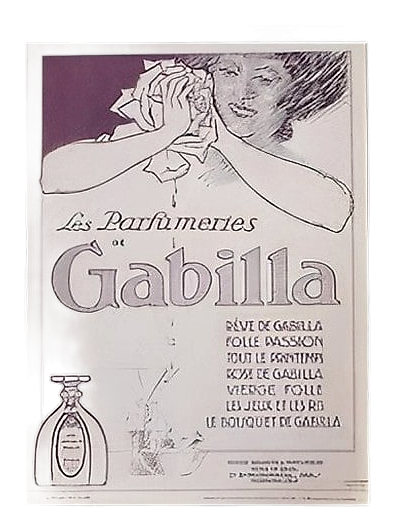
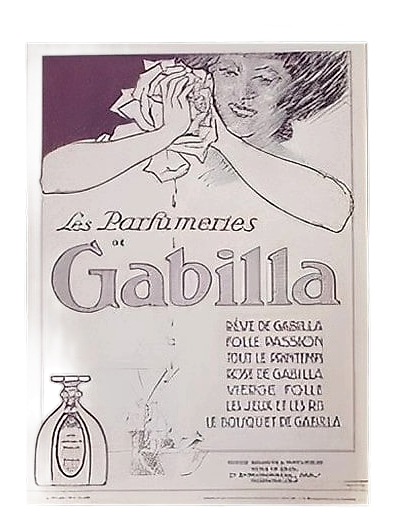
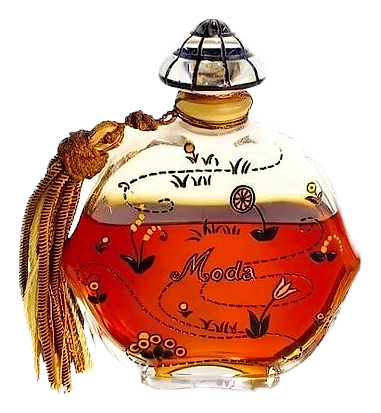
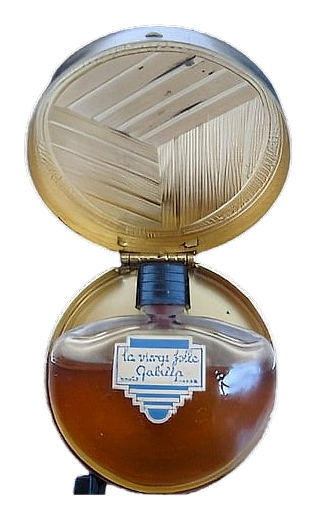
GabillaGabilla is a Parisian perfume house founded in 1910 by Madame Henriette Gabilla, a Syrian‑born pioneer who began blending scents in the late 1880s. Over five decades the atelier released more than eighty fragrances, many of which bear the year of their launch in their title. The brand’s catalogue reads like a chronicle of early‑20th‑century French perfume, with classics such as Violette (1912), Lilas (1922) and La Vierge Folle (1929) still cited by collectors. Gabilla’s legacy rests on a quiet confidence: a modest boutique on rue Edouard VII, a steady output of refined compositions, and a reputation built on craftsmanship rather than flash.
The Creator
Henriette GabillaGabilla favored layered constructions that unfolded over time. She began with a clear, luminous top, often built from citrus or green notes, then introduced a heart of rose, jasmine, or oud that lingered like a whispered secret.