The Story
Why it exists.
The beginning
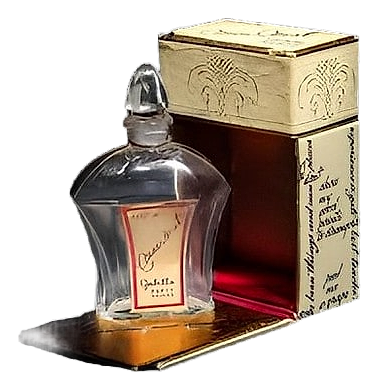
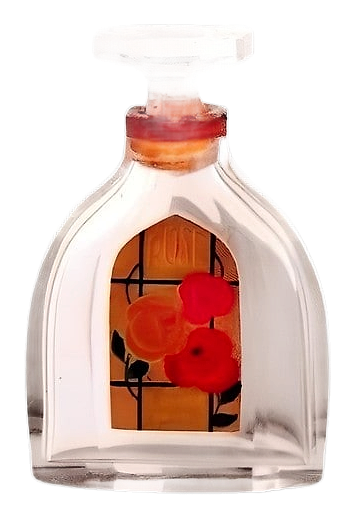
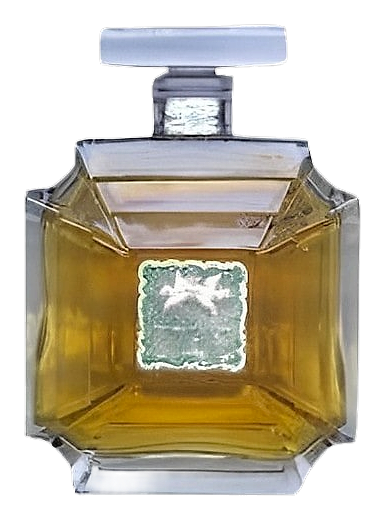
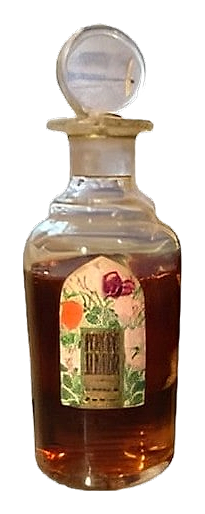
Henriette Gabilla launched Pois de Senteur in 1926, a fragrance whose name in its French reading refers to the sweet pea, though the scent itself does not dwell on green stem notes but instead carries an air of fruit and blossom. The perfume reveals itself through soft layers, the kind of composition that seems to lean into a particular mood or memory, pulling you toward associations without naming them. The sweetness blooms rather than blares, and there's a tactile roundness to it that settles into the skin quickly. On first application the fruit reads almost candied, the kind of dark sweetness you'd find in a jar of preserves rather than anything sharp or acidic.
What's worth noting is the composition's restraint. The honey note does the heavy lifting here, giving the blend its rounded warmth and lending it that distinctive golden cast that hangs in the air close to the skin. Blackcurrant adds a small bite underneath, a sharp counterpoint that keeps the sweetness honest. It's a careful balancing act, one in which each component negotiates with the others rather than fighting for dominance. The florals rarely stand alone; they pass through the honey and come out softened, less assertive, more like a thread woven through cloth than a ribbon laid on top.
The evolution
The opening belongs to blackcurrant and orange blossom, bright and almost edible, the kind of first impression that suggests fruit rather than flower. Before long the honey arrives, and the composition tilts warmer, rounder, the edges softening without losing definition. As the hours pass, a powdery quality emerges, not the dry talc type but something softer, more like old paper and warm skin. The scent pulls close fairly early in the wear, sitting near the skin rather than projecting outward. On fabric the next day, the honey persists with a faint shadow of the fruit that opened it. What registers most is how the blackcurrant gradually steps back, leaving behind a quieter sweetness where the honey and the powder do most of the talking. The drydown reads almost like an echo, catching the orange blossom at a distance and wrapping it in something warm and slightly golden.
Cultural impact
Pois de Senteur sits alongside other early Gabilla releases like Violette and Lilas, compositions that share a certain quiet restraint. Production was apparently discontinued, and the fragrance has since become a point of interest for those who follow the house's earlier catalog. Its presence in the wider story of French perfumery is felt more than heard, lingering in the background rather than demanding attention. The scent's appeal lies in its refusal to perform, and that quality seems to be what draws people back to it now, decades after it left regular distribution.
The House
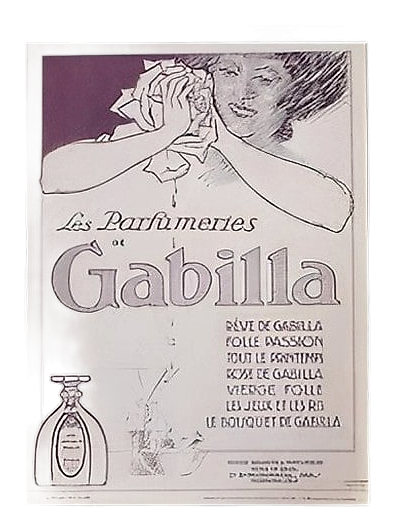
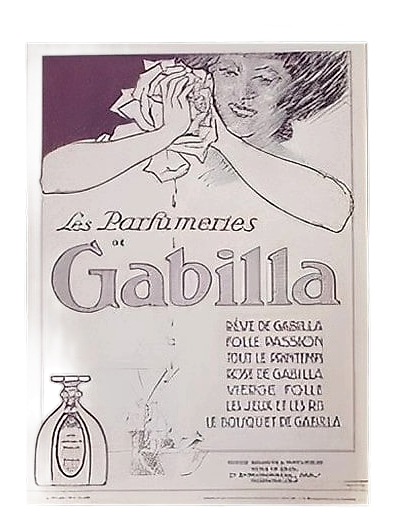
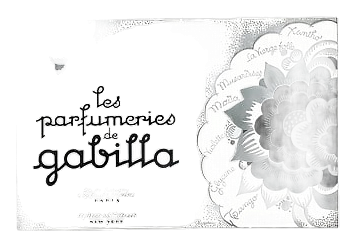
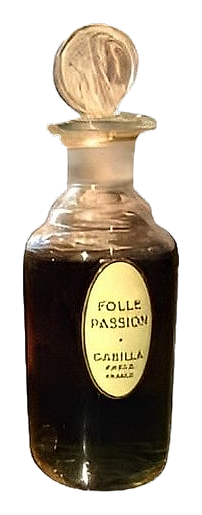
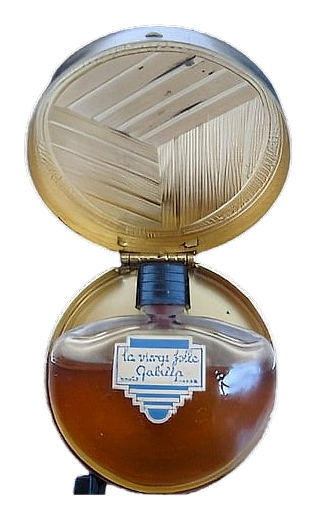
GabillaGabilla is a Parisian perfume house founded in 1910 by Madame Henriette Gabilla, a Syrian‑born pioneer who began blending scents in the late 1880s. Over five decades the atelier released more than eighty fragrances, many of which bear the year of their launch in their title. The brand’s catalogue reads like a chronicle of early‑20th‑century French perfume, with classics such as Violette (1912), Lilas (1922) and La Vierge Folle (1929) still cited by collectors. Gabilla’s legacy rests on a quiet confidence: a modest boutique on rue Edouard VII, a steady output of refined compositions, and a reputation built on craftsmanship rather than flash.
The Creator
Henriette GabillaGabilla favored layered constructions that unfolded over time. She began with a clear, luminous top, often built from citrus or green notes, then introduced a heart of rose, jasmine, or oud that lingered like a whispered secret.