The Story
Why it exists.
The beginning
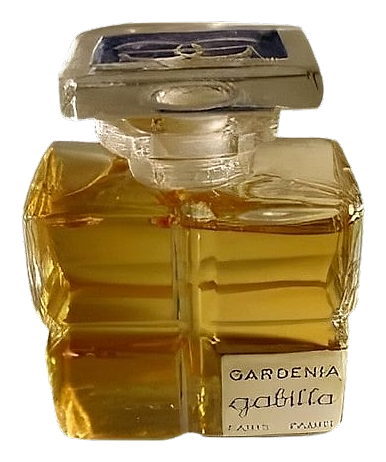
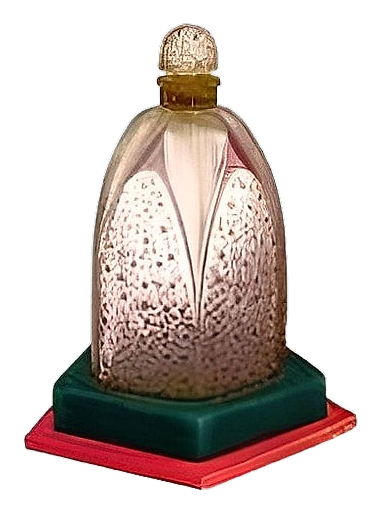
Lilas is a fragrance from Gabilla, a house whose name sits quietly in the history of early twentieth century perfumery. Released in 1922, it draws its title from the French word for lilac, and it leans fully into that floral reference without apology. The name does what it says: this is a lilac composition, and it doesn't borrow the word to describe something else entirely. It commits to the bloom, to the green stem, to the slightly sharp sweetness that real lilac carries when it's cut and brought indoors. Gabilla built the scent around a single dominant note and let everything else orbit it, which is a confident choice for a fragrance released in an era when soliflors were less common than the heavier orientals and aldehyde-driven bouquets dominating the market.
The interesting move here is the lilac itself. In most compositions that reference this flower, the note tends toward a green, dewy brightness, sometimes soapy, sometimes almost metallic in its sharpness. Lilas handles the floral differently. Rather than reaching for the lifted, almost-cologne quality that lilac can carry, the composition settles into something rounder, softer, and more grounded. The source data flags floral, fresh, green, soft spicy, and sweet accords, which describes a lilac that has been coaxed away from its sharper edges and pulled into a gentler register.
The evolution
The first moments on skin are almost entirely about the lilac. It opens with a clear, unmistakable floral character, the kind of bloom-forward opening that announces itself without shouting. There's a green freshness underneath, the cool sensation of stems and leaves rather than the brighter green of crushed foliage. Around the twenty-minute mark, the sharpness of the opening begins to settle. The lilac loses some of its initial brightness and starts to fold into itself, taking on a softer, more blended quality. A gentle spiciness emerges at the edges, the kind of warmth that reads as skin-warm rather than as a distinct spice note. By the one-hour mark, the composition has shifted into a quieter phase.
Cultural impact
Lilas belongs to a category of fragrances that never trend but never disappear either: the quiet, personal scent that a handful of people discover, return to, and replace when the bottle runs out. Its production appears to have been discontinued, which has only deepened its appeal among fragrance enthusiasts who stocked up when they could. It doesn't sit next to the big orientals or the blockbuster florals in the fragrance conversation, and that's the point. It was never trying to. It reads as a mood, a season, a specific kind of quiet evening, rather than a statement.
The House
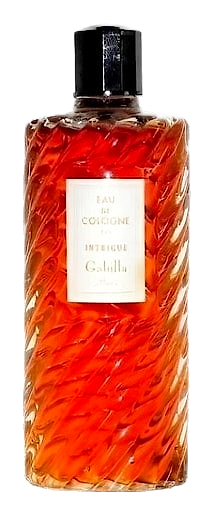
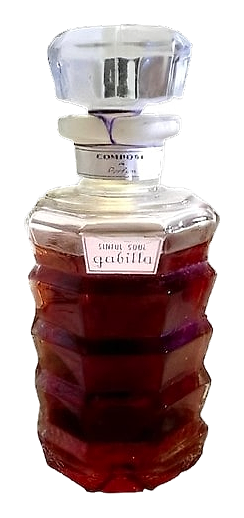
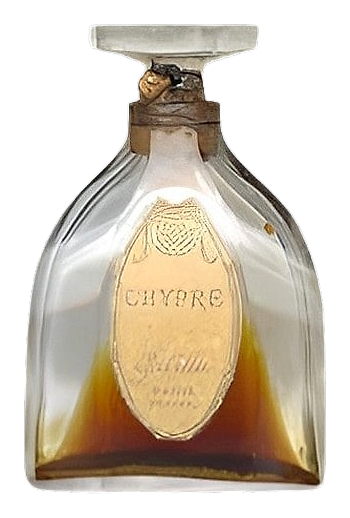
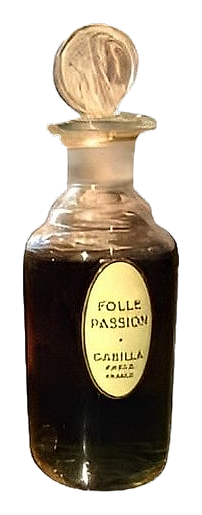
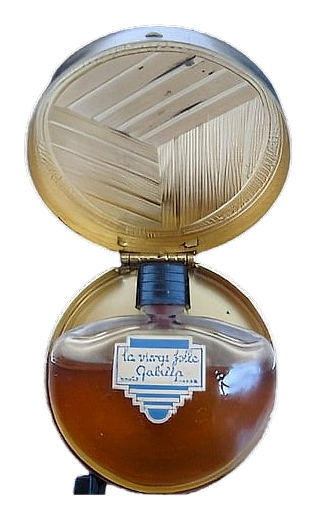
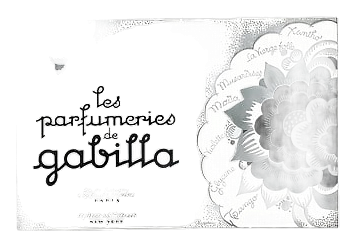
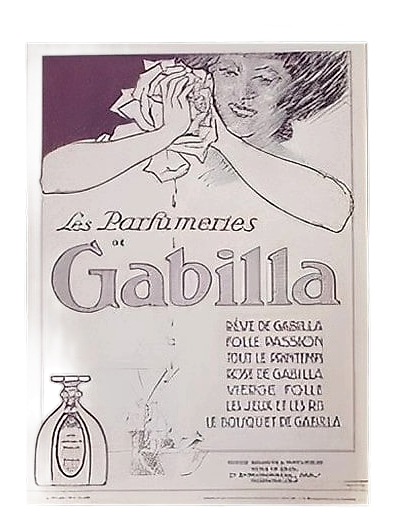
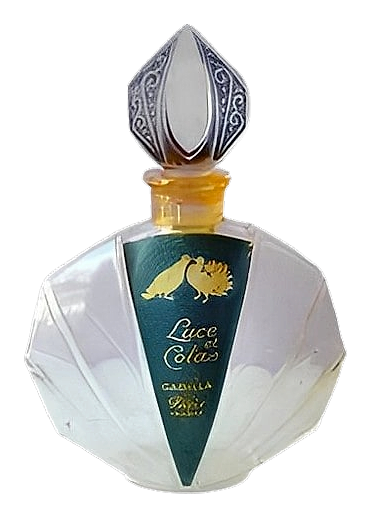
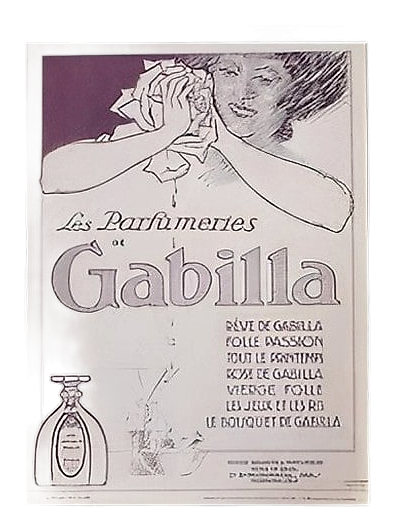
GabillaGabilla is a Parisian perfume house founded in 1910 by Madame Henriette Gabilla, a Syrian‑born pioneer who began blending scents in the late 1880s. Over five decades the atelier released more than eighty fragrances, many of which bear the year of their launch in their title. The brand’s catalogue reads like a chronicle of early‑20th‑century French perfume, with classics such as Violette (1912), Lilas (1922) and La Vierge Folle (1929) still cited by collectors. Gabilla’s legacy rests on a quiet confidence: a modest boutique on rue Edouard VII, a steady output of refined compositions, and a reputation built on craftsmanship rather than flash.
The Creator
Henriette GabillaGabilla favored layered constructions that unfolded over time. She began with a clear, luminous top, often built from citrus or green notes, then introduced a heart of rose, jasmine, or oud that lingered like a whispered secret.