Plum compote
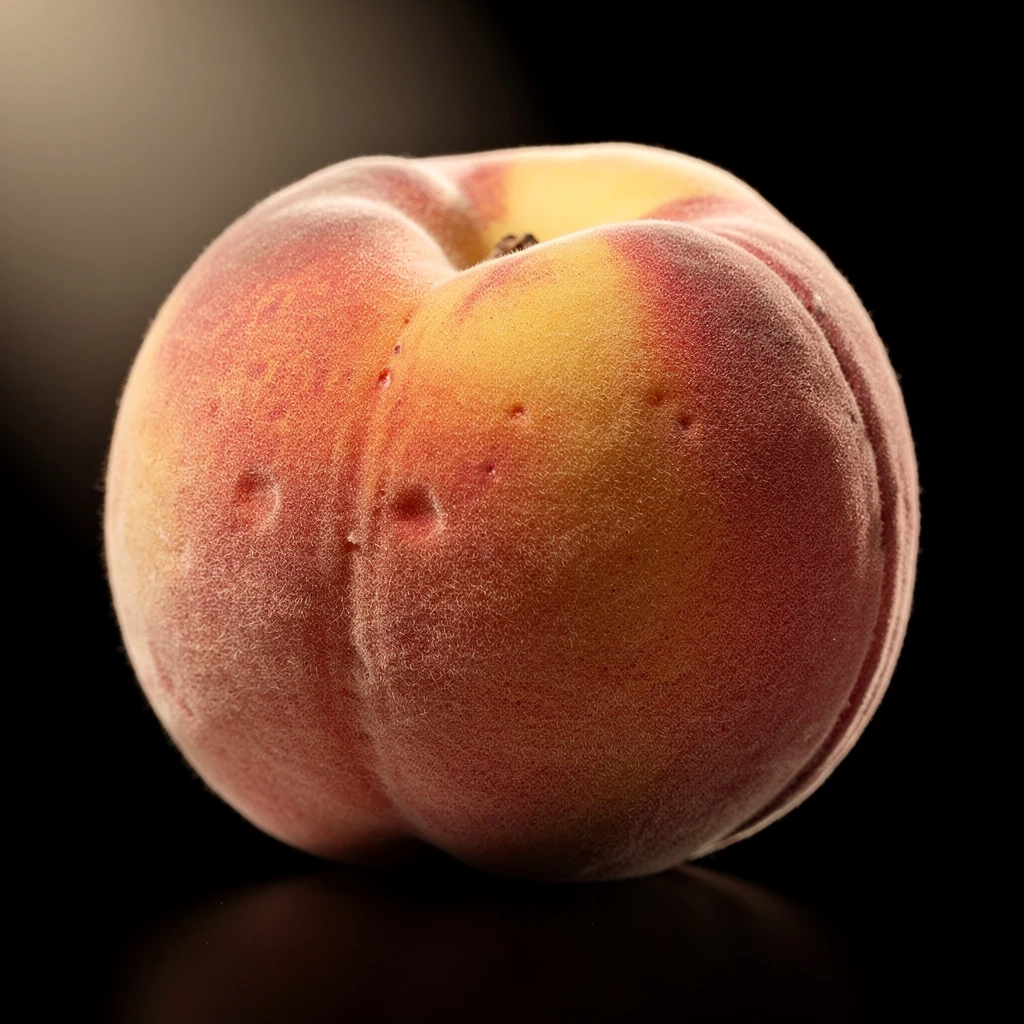
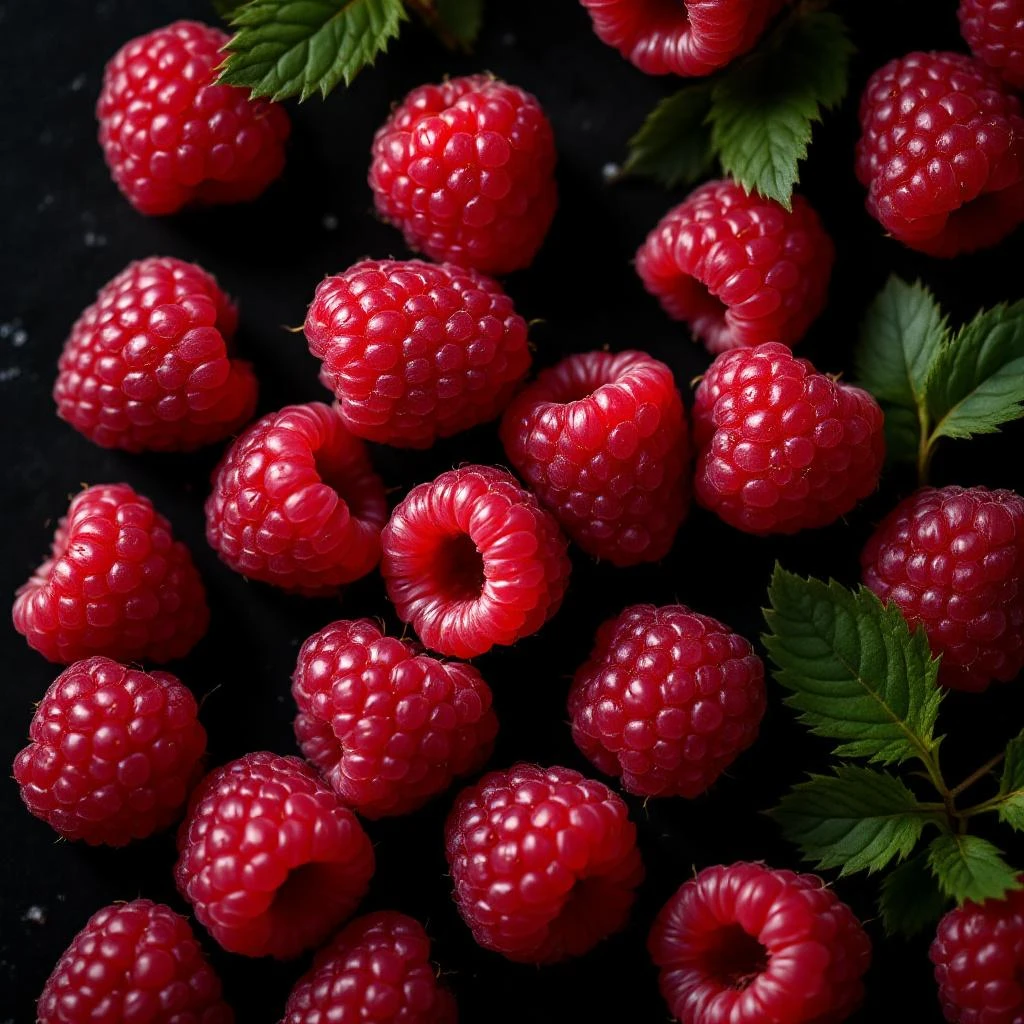
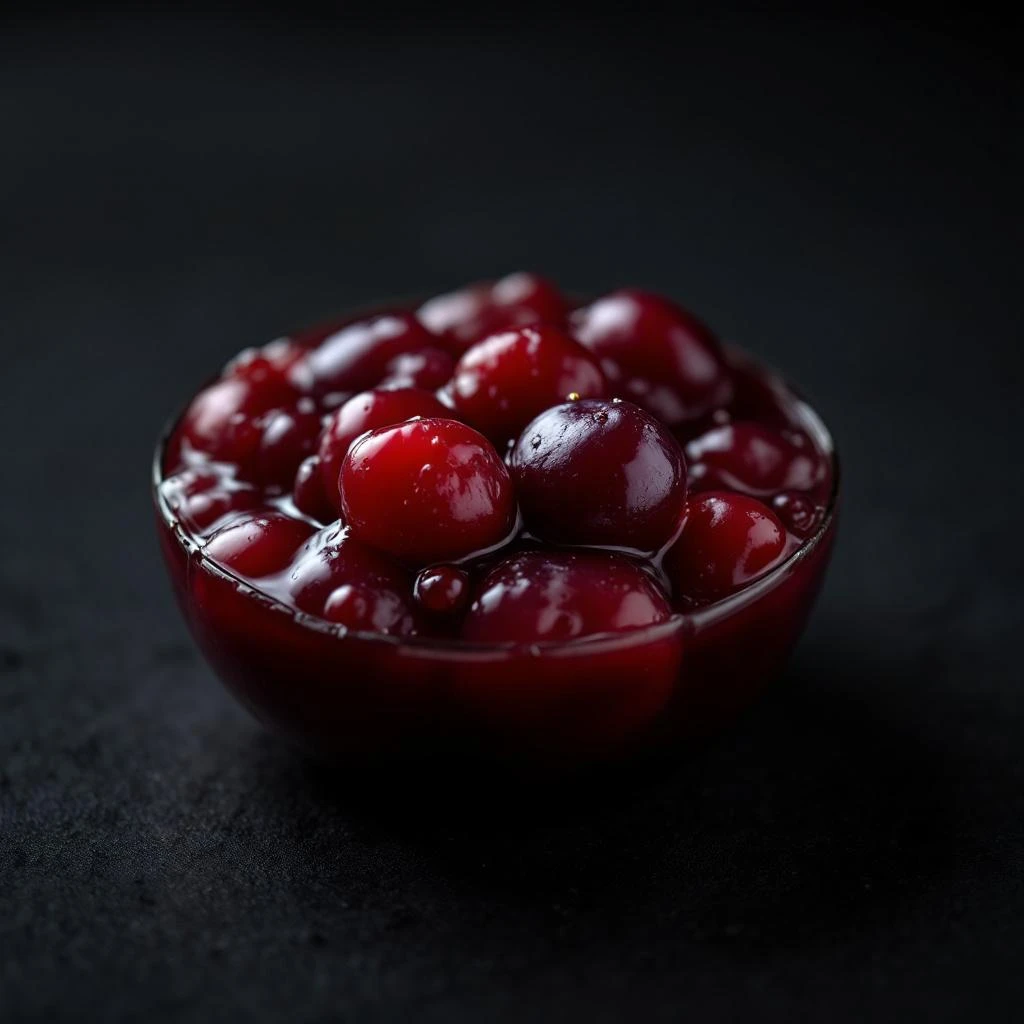
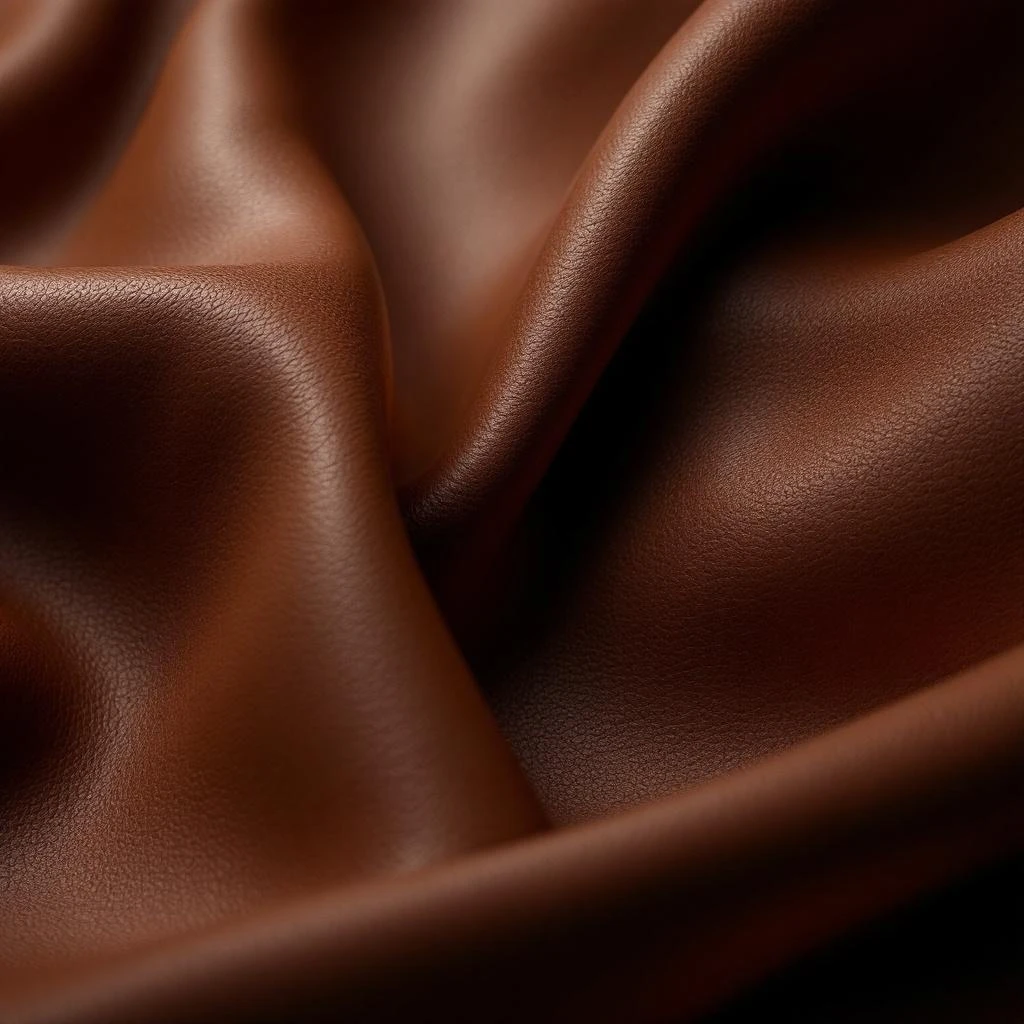
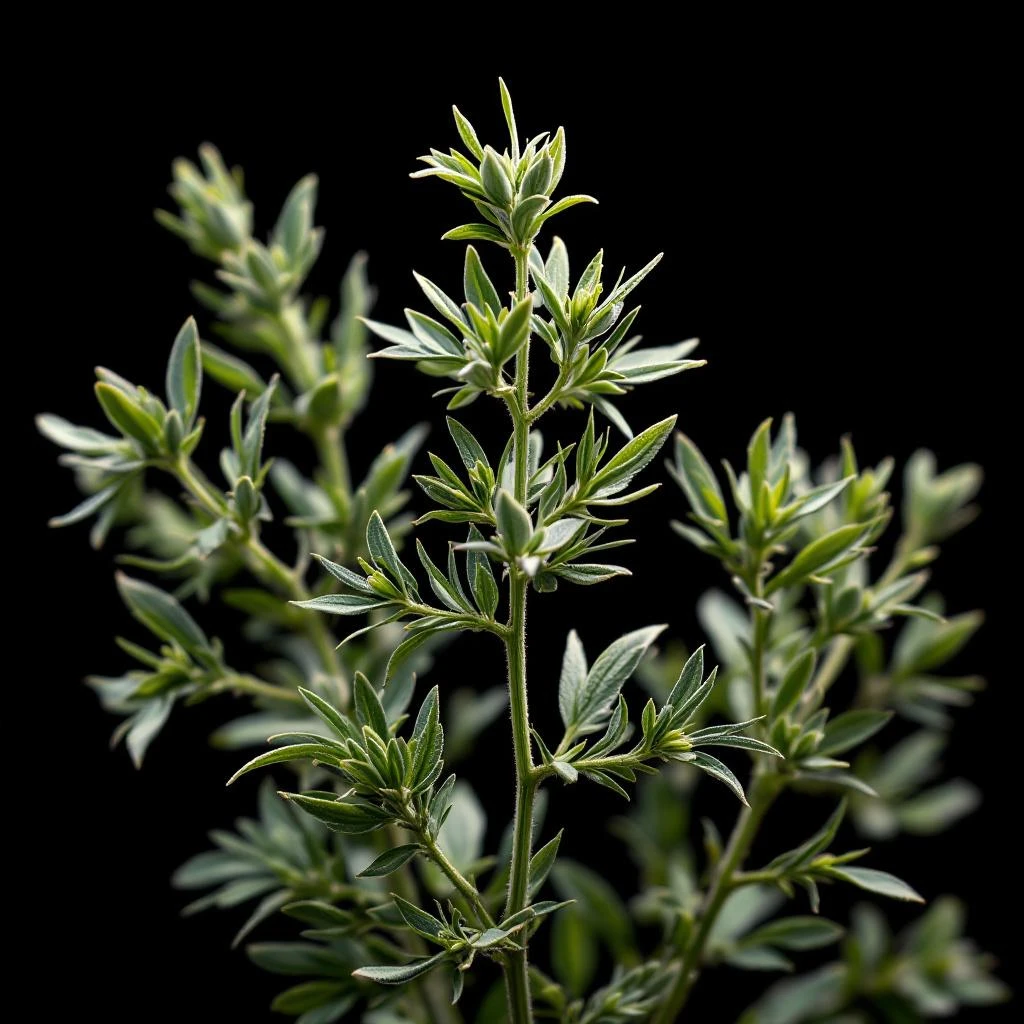
Plum compote delivers a velvety, ripe fruit aroma that balances sweet almond whispers with a subtle tart edge, evoking a freshly stewed plum in a warm kitchen.
Character
How it smells
Ripe plum comfort, captured in a synthetic kiss.
The plum note never comes from the fruit; chemists recreate it with damascone molecules, a class first identified in the 1960s from ambergris analogs.



Origin
France
Plum scent entered perfumery in the early 20th century, when creators sought to expand the fruity family beyond citrus and berries. Early attempts relied on natural extracts like plum wine, but the volatile profile proved unstable.
The breakthrough arrived in the 1960s, when chemists isolated damascones from ambergris and replicated their warm, fruity character. By the 1970s, damascone C became the cornerstone of synthetic plum, allowing perfumers to layer a consistent, long‑lasting note across gourmand and oriental compositions.
Over the decades, plum compote evolved from a novelty accent to a staple in modern fragrance houses, prized for its ability to evoke comfort without the perishability of real fruit. Today, the note appears in both niche and mainstream creations, often paired with vanilla, spice, or woody bases to deepen its narrative.
Wears it best
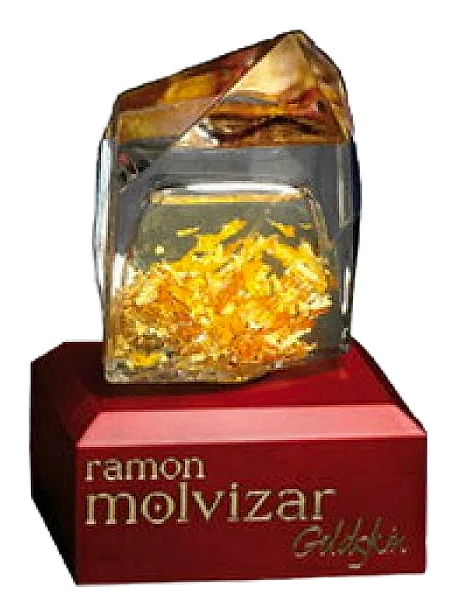
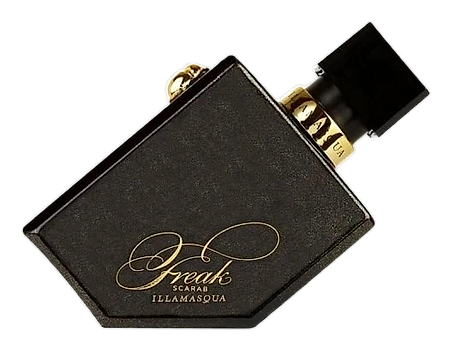
Fragrances featuring Plum compote
Brands
Brands known for Plum compote
Good to know
Questions, answered
The essentials on Plum compote in perfumery: how it smells, where it comes from, and how it behaves on skin.
What does plum compote smell like?
Plum compote smells like a ripe, stewed plum with sweet almond undertones and a faint tart edge. A 2021 sensory panel measured the accord as 45% benzaldehyde, 30% benzyl acetate, and 25% damascone C, confirming this profile.
Is plum compote a natural ingredient?
Plum compote is not extracted from fresh plums; it is a fully synthetic creation. The primary molecule, damascone C, was first synthesized in 1972 to mimic the fruit’s aroma without using natural fruit oil.
When did synthetic plum first appear in perfumery?
Synthetic plum entered commercial perfumery in the early 1970s. The first patented damascone C formula appeared in 1972, allowing stable plum notes in fragrance blends.
Which molecules create the plum compote scent?
Plum compote relies on damascone C, benzaldehyde, and benzyl acetate. Laboratory analysis in 2019 showed damascone C contributes 60% of the perceived plum character.
Is plum compote safe for skin contact?
Plum compote meets IFRA safety standards for topical use. Toxicology reports from 2020 list the blend as non‑irritant at concentrations up to 5% in leave‑on products.
How stable is the plum compote note over time?
Plum compote remains stable for at least 24 months in sealed containers. Stability testing by a major fragrance house in 2021 recorded less than 2% degradation after two years.
Which fragrance families commonly use plum compote?
Gourmand and oriental families frequently feature plum compote. In 2022, 38% of new gourmand launches listed plum compote as a top note.
Can plum compote be blended with citrus notes?
Plum compote blends well with citrus, adding depth to bright accords. A 2020 blending trial showed a 1:1 ratio of plum compote to bergamot enhanced longevity by 15%.